Skip to content
Search
Menu

These bookings pay us a commission through Viator. Your price does not change, and neither did our picks because of it.

Historic site

Blue Ridge Depot

Last updated

The oldest working thing in Blue Ridge: a Register-listed railway building still selling tickets to a train that still runs.

Photo: Unknown authorPublic domain

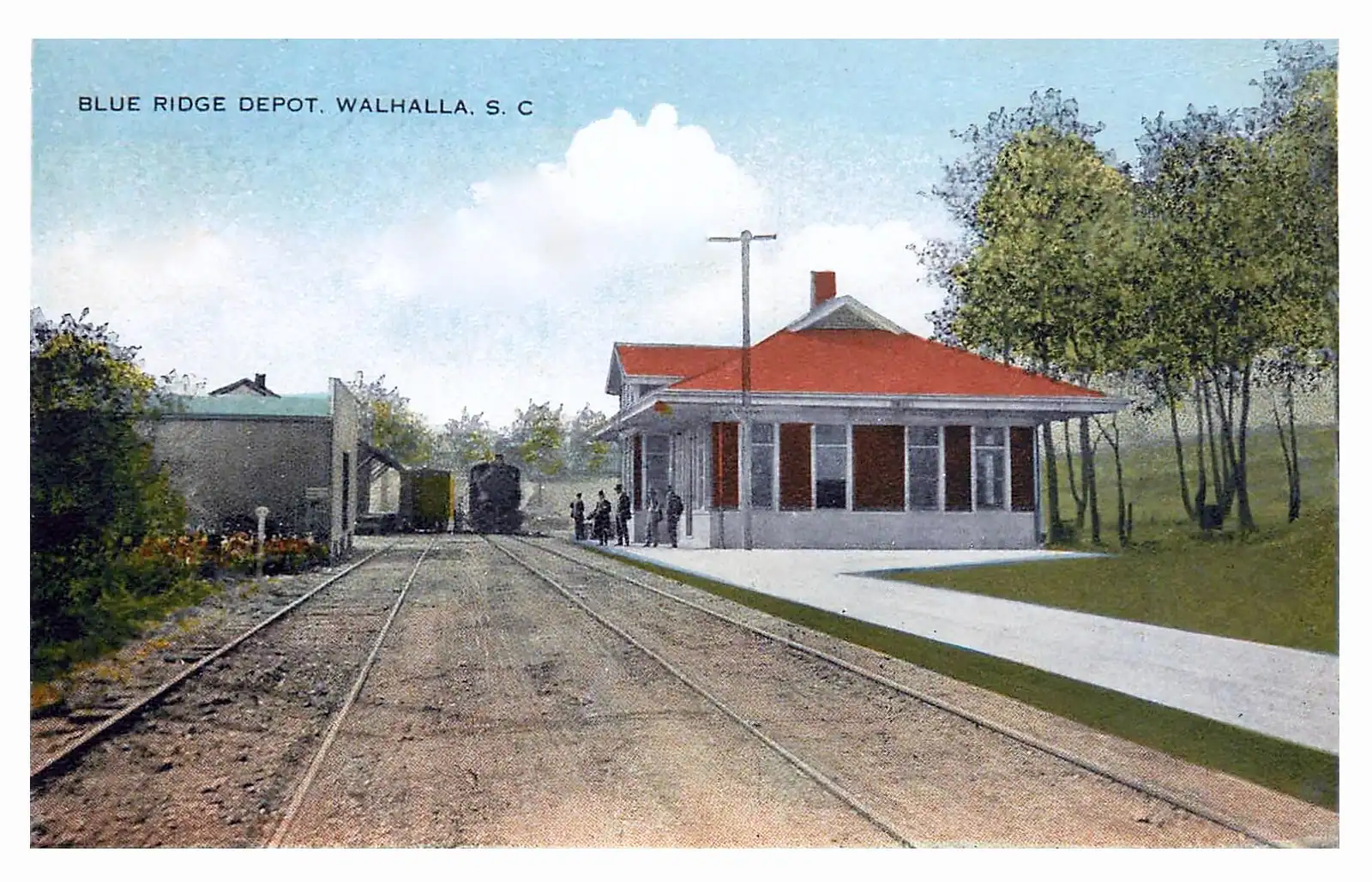
Most historic railway stations in small American towns have been made into something else. A restaurant, a visitor centre, a museum with a caboose outside. The depot at Blue Ridge never stopped being a depot. It sells tickets, people wait on its platform, and a train pulls in and out beside it several days a week in season. That continuity is the reason to stand in front of it for five minutes rather than walking past on the way to the shops.

The building has been on the National Register of Historic Places since July 1982. It sits at the bottom of the downtown grid on Depot Street, and everything above it was laid out in relation to it: the Marietta and North Georgia Railroad arrived in 1886, the town was platted at the point the rails reached, incorporation followed in 1887, and the Fannin County seat moved up from Morganton in 1895 for the straightforward reason that this was where the trains stopped. Blue Ridge is a railway town in the literal sense that the railway came first.

What is inside is a ticket office, a gift shop and a waiting area, plus a small amount of displayed railway material. It is not a rail museum and should not be visited as one. Twenty minutes is generous unless you are catching a train.

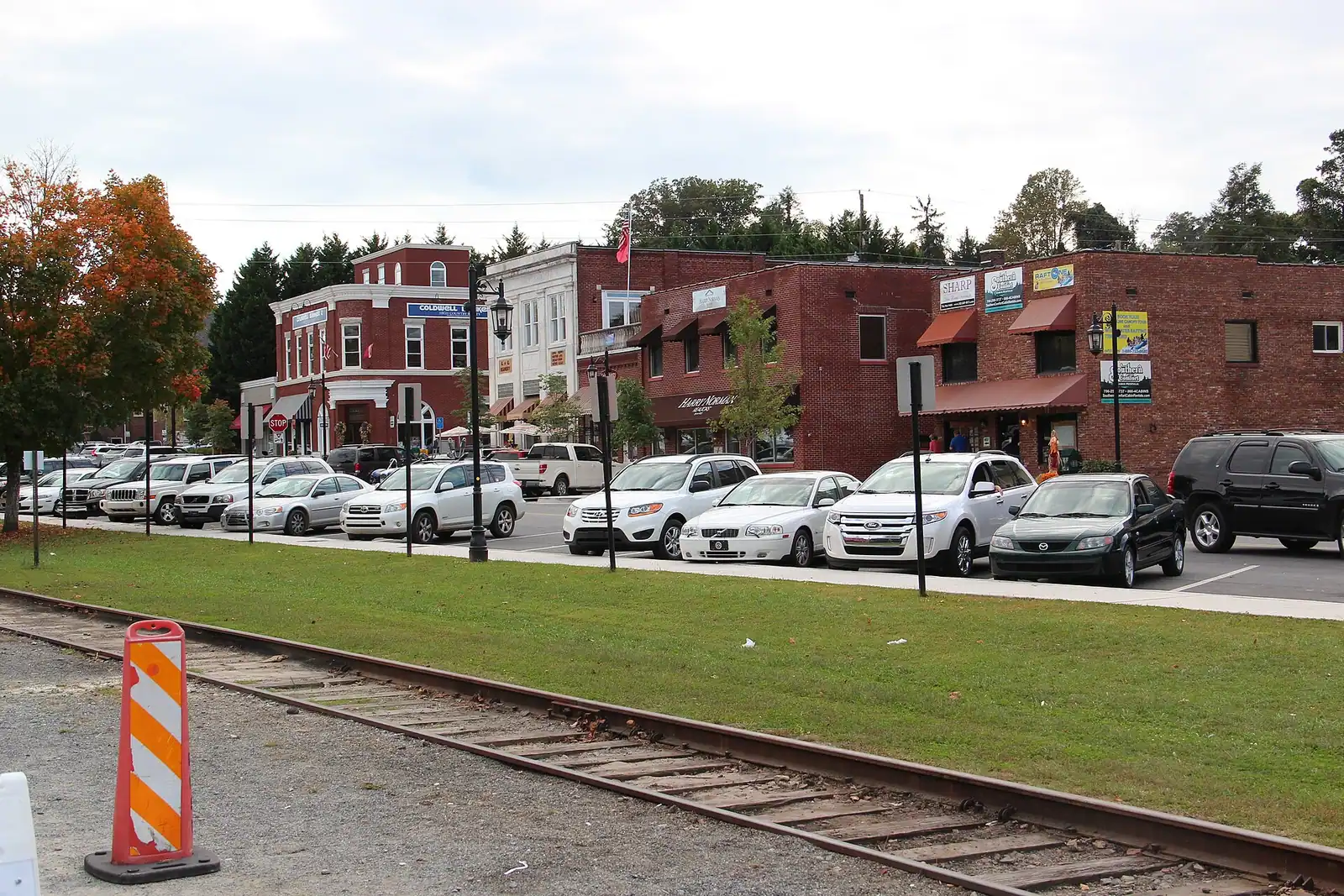
What is outside is better. The platform and the yard are open to look at, freight equipment belonging to the Georgia Northeastern Railroad is often standing in the sidings, and the view back up the hill towards Main Street is the best short explanation of how this town is put together. On a train day the whole block reorganises itself around a departure, which is not a performance staged for visitors; it is a working schedule with tourists on it.

Eight miles north at Mineral Bluff, a second depot on the same line was listed on the Register in 2007. Between them they are what is left of a corridor that once had a station every few miles.
Getting there and parking

Depot Street runs along the bottom of the downtown grid, one block below East Main. If you have parked anywhere downtown you are already within a five-minute walk, and the walk down is easier than the walk back up.

Coming in from GA-515, follow the historic district signs rather than routing to the street name; the last few turns are one-way and easier to take as they come.

Free on-street parking surrounds the depot and fills early on autumn weekends and on train days. The railway operates a paid lot at 204 West Main Street, cheaper midweek than at the weekend when checked. If you are here specifically for a departure, pay for the lot and stop circling.

What is worth twenty minutes

  • The platform side. Walk down past the ticket windows and stand where the coaches pull in. The relationship between the building, the track and the hill behind is the whole story of the town in one view.
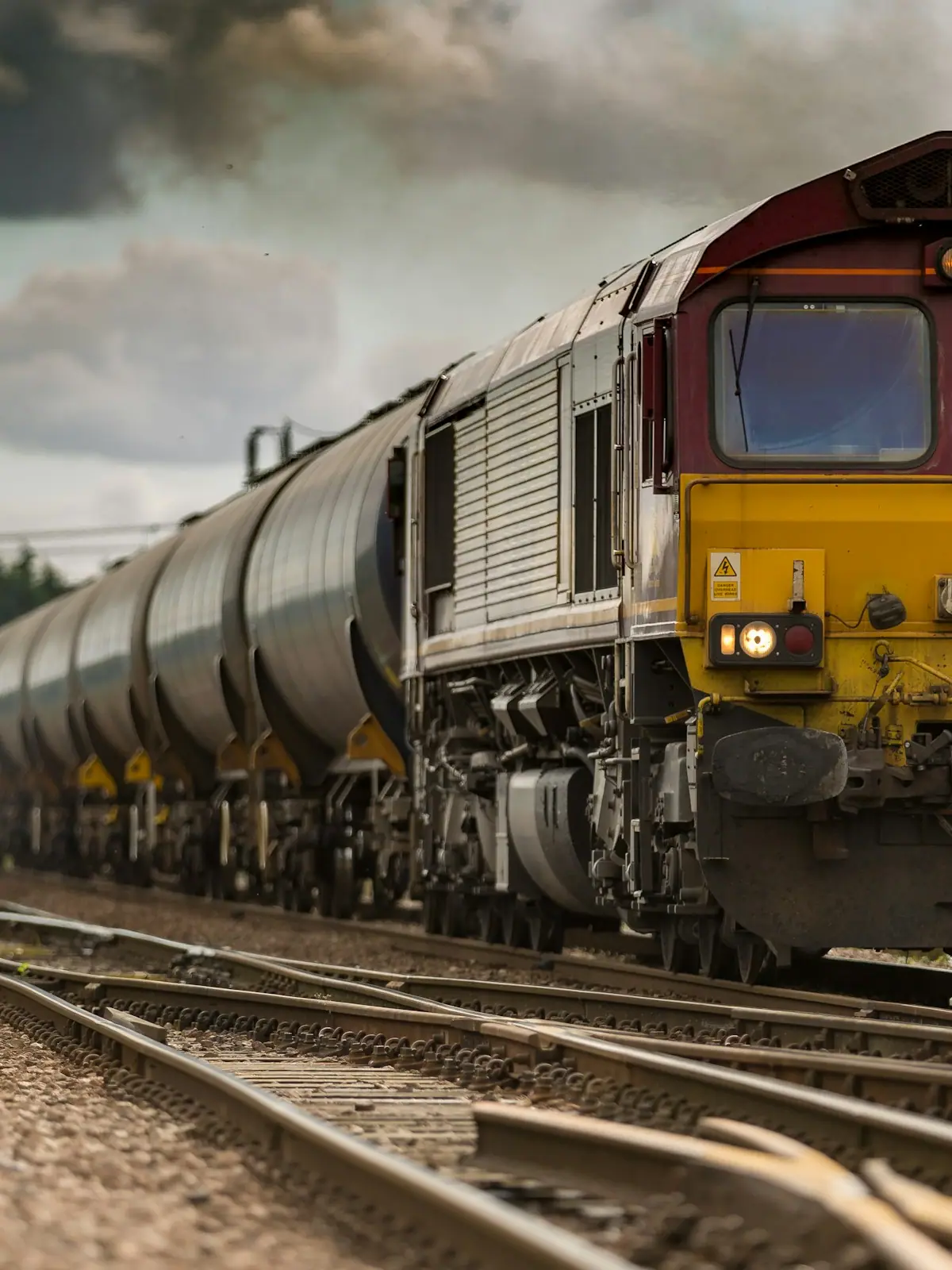
  • The yard. Georgia Northeastern runs freight over this corridor, and there is frequently rolling stock parked in the sidings that has nothing to do with the excursion train. Locomotives, covered hoppers, maintenance equipment. This is a working railway, not a preserved one.
  • The building itself. Note how low and long it is, and how much of it is platform canopy. Depots of this period were designed to move freight and mail as much as people, and the proportions show it.
  • The gift shop. Better than most attraction shops, and it is where you buy the timetable and the book if you want the deeper history.
  • The view back up Depot Street towards East Main, which is the photograph nearly everybody takes and is genuinely the best one available on foot.

If you are not riding, come on a day the train runs anyway. An empty depot is a building. A depot with a consist alongside it is the thing you came to see.

Why the town points this way

Fannin County was created in January 1854 out of parts of Union and Gilmer, Georgia's 107th county, named after a Texas Revolution officer. For its first thirty years the seat was at Morganton, a few miles east, and the economy was farming and timber in steep country with poor roads.

The railroad changed the arithmetic. A line pushing north through the mountains towards the Tennessee copper traffic needed a point on this shelf of land, and where it stopped, a town was surveyed. Blue Ridge sits at about 1,762 feet, on the watershed divide between water that runs north to the Tennessee River and water that runs south towards the Gulf, which is a geographical oddity worth knowing when you look at the map.

The county seat followed the trains in 1895. Morganton is still there, much smaller, on the far side of what is now Lake Blue Ridge.

The second thing that changed the arithmetic was GA-515, the four-lane that opened in the 1980s and put Atlanta within a comfortable two hours. Fannin was the tenth-fastest-growing county in the United States in 2003 and 2004. The cabin economy that funds this downtown is a product of that road, not of the railway, but it is the railway that gave it somewhere to happen.

Visiting the depot without riding the train

You do not need a ticket to stand in front of the building, walk the platform side or look into the yard. That is all public ground and it costs nothing, which makes the depot one of the better free stops in town.

What a ticket gets you is the 26-mile run north along the Toccoa to McCaysville and Copperhill, sold as a short express or a longer trip with a layover in the twin towns. That is covered properly on its own page.

The useful middle option, for a family with a small child obsessed with trains and no appetite for four hours aboard, is to come to the depot half an hour before a departure. You get the locomotive, the coupling, the conductor, the boarding, the whistle and the departure, at no cost and with the option of walking away to lunch immediately afterwards. A surprising number of people find that this was the part the child wanted.

The ticket office is published as open daily from morning to late afternoon, which is longer than the train operates. Hours and the operating calendar both change seasonally, so confirm before making a special trip.

Near The Depot

Straight-line distances, so allow more on the road — the island is long and has one main parkway.

  • A train on the tracks running close beside dense forest
    Entertainment

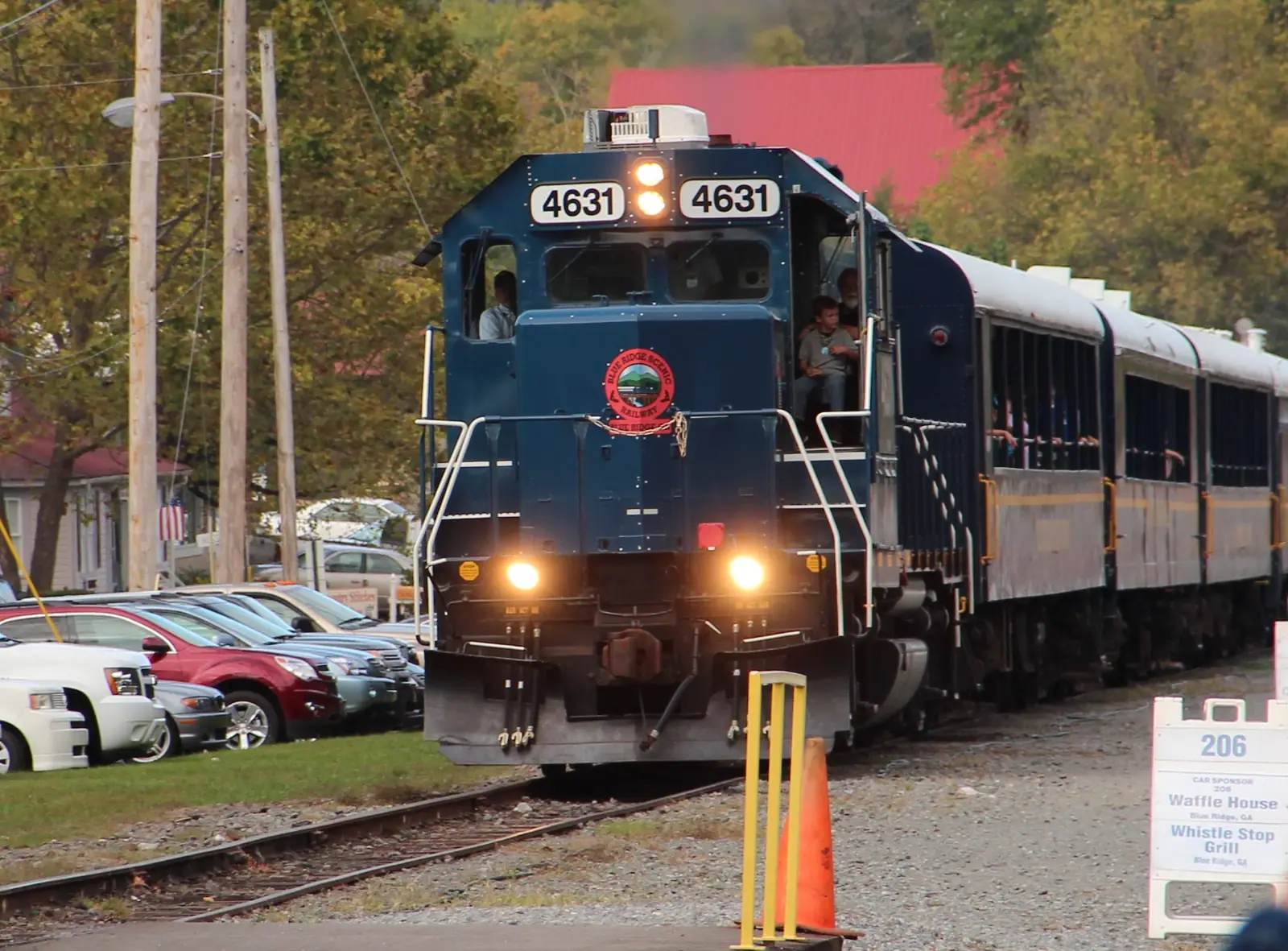
    Blue Ridge Scenic Railway

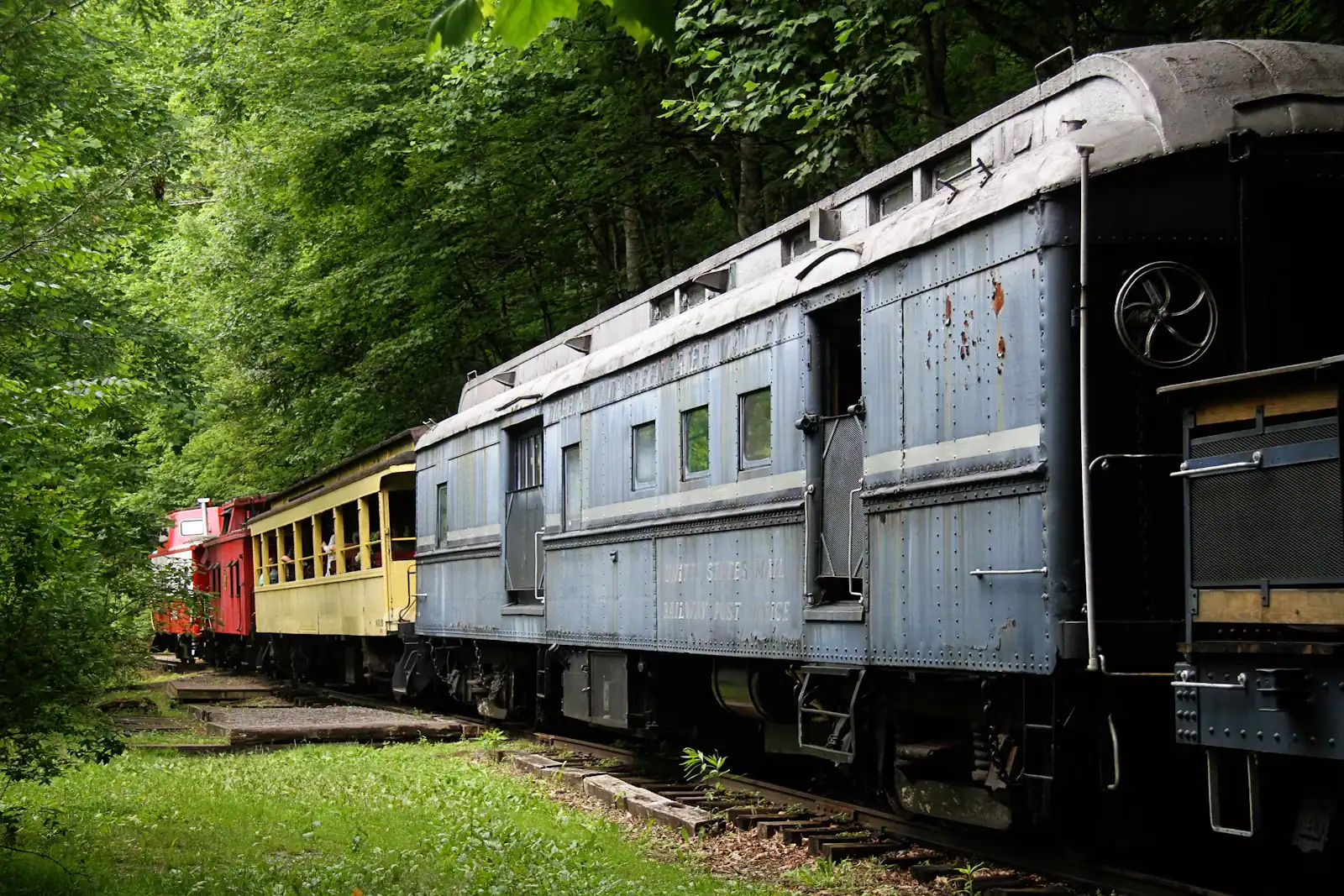
    Twenty-six miles of river running to a town cut in half by a state line, in an open-sided coach with the windows down.

    2–5 hoursTicketed. Fares vary by coach class, trip length and season.0 ft away

    Photograph: Thomson200

  • A small-town storefront in white and red painted brick seen from the pavement
    Neighbourhood

    Downtown Blue Ridge

    Free

    Four blocks of shopfronts facing a working railway depot, small enough to walk twice and busy enough to need a parking plan in October.

    1–4 hoursFree. Street parking is free and scarce on peak weekends.300 ft away

    Photograph: Thomson M

  • Rows of red seats facing a closed red stage curtain in an empty auditorium
    Entertainment

    Blue Ridge Community Theater

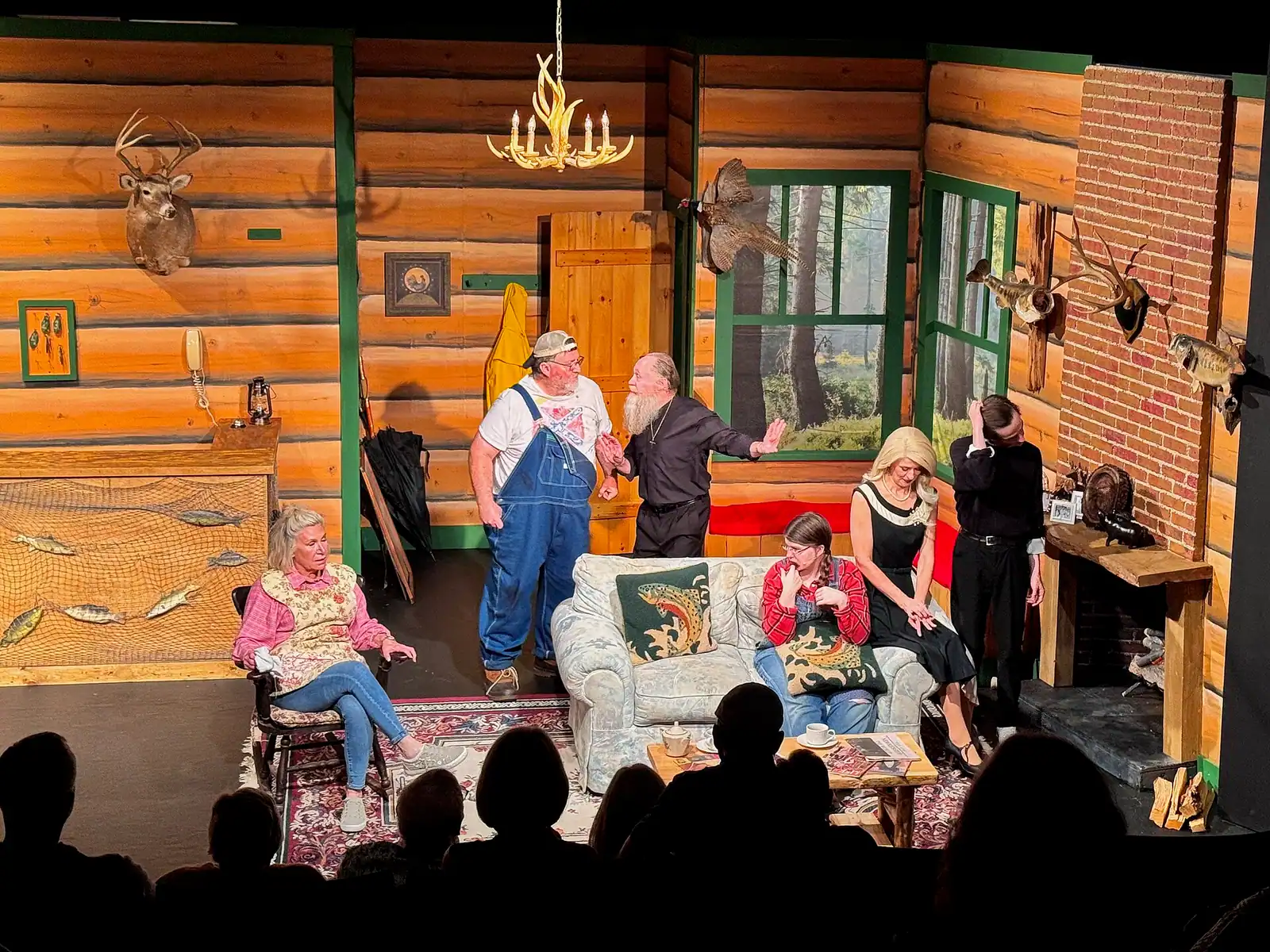
    A volunteer theatre with three separate spaces, in its twenty-eighth season, five minutes from the depot.

    2–3 hoursPaid tickets by production, sold through the theatre's box office.0.6 mi away

    Photograph: Harrison Keely

  • A drive-in cinema screen standing above an empty gravel lot with a pink sky behind it at dusk
    Entertainment

    Swan Drive-In Theatre

    Open since 1955 on a field above town: double features, sound through the car radio, and a diner that keeps the place alive.

    2.5–5 hoursPaid admission per person for a double feature. Entering for the second film only costs the same.0.5 mi away

    Photograph: Harrison Keely

The Depot: common questions

Is the Blue Ridge Depot a museum?

No, and that is worth knowing before you go. The building holds a ticket office, a gift shop, a waiting area and a modest amount of displayed railway material. It is a working depot that still sells tickets for a train that still runs, which is rarer and in some ways more interesting than a museum, but there is no large collection to walk around. Fifteen to twenty minutes covers it unless you are boarding.

How old is the Blue Ridge Depot?

The building has been listed on the National Register of Historic Places since July 1982, and the railway reached this point in 1886, which is when the town was laid out around it. We have not been able to confirm the exact construction date of the present structure from a primary source, so we are not going to quote one. The gift shop inside carries local railway histories that go into it properly.

Can you visit the depot without riding the train?

Yes, and it costs nothing. The building, the platform side and the view into the yard are all publicly accessible during ticket office hours. A good free option with small children is to arrive about half an hour before a scheduled departure: you get the locomotive, the coupling, the boarding and the whistle, and you can walk away to lunch immediately afterwards rather than committing to a four-hour trip.

Why is Blue Ridge, Georgia built around a railway depot?

Because the railway came first. The Marietta and North Georgia Railroad pushed north through the mountains and Blue Ridge was surveyed in 1886 at the point its rails reached, incorporating the following year. The Fannin County seat moved here from Morganton in 1895 because this was where the trains stopped. The downtown grid is arranged in relation to the tracks rather than the other way around, which you can see from the platform.