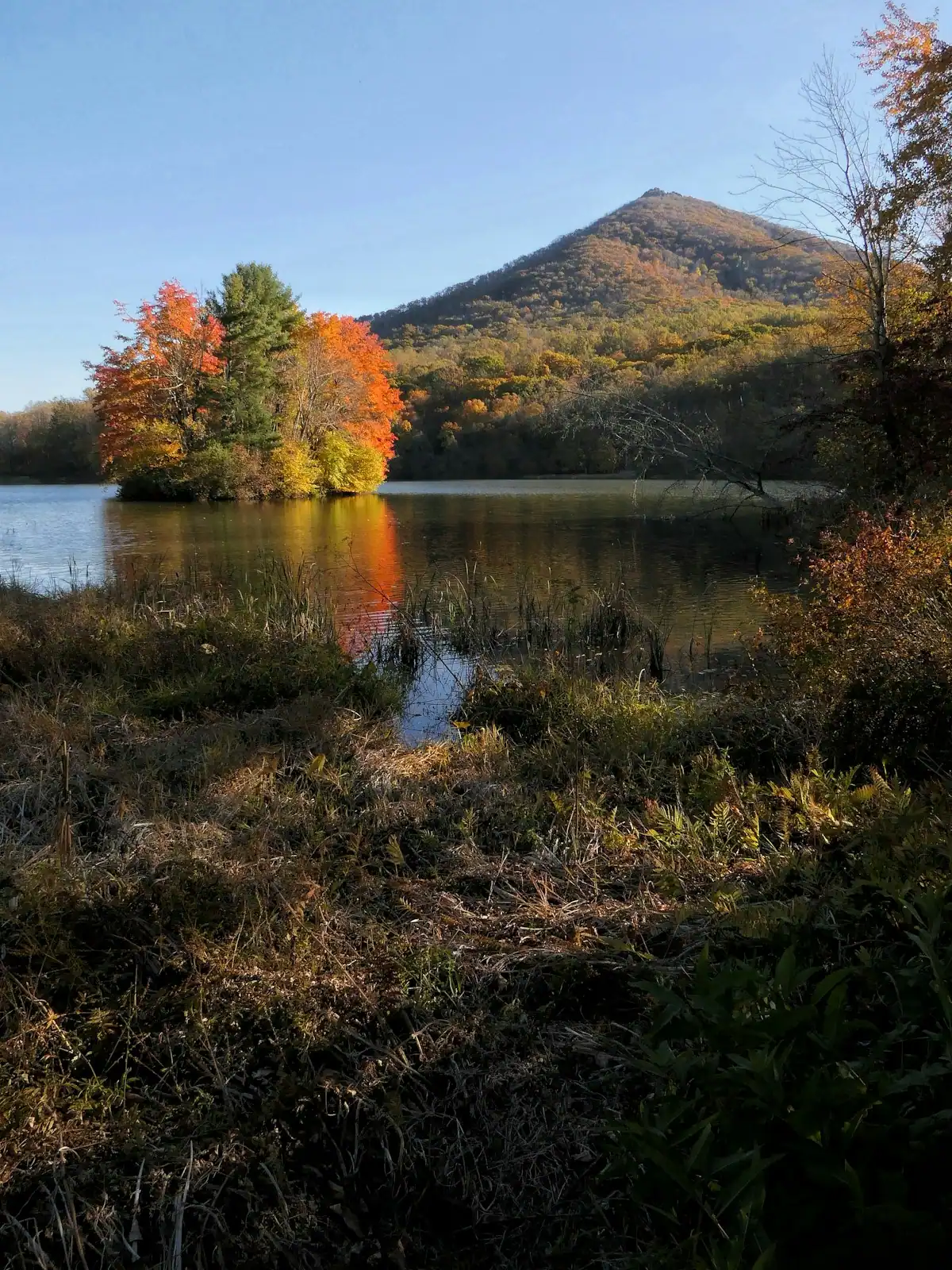
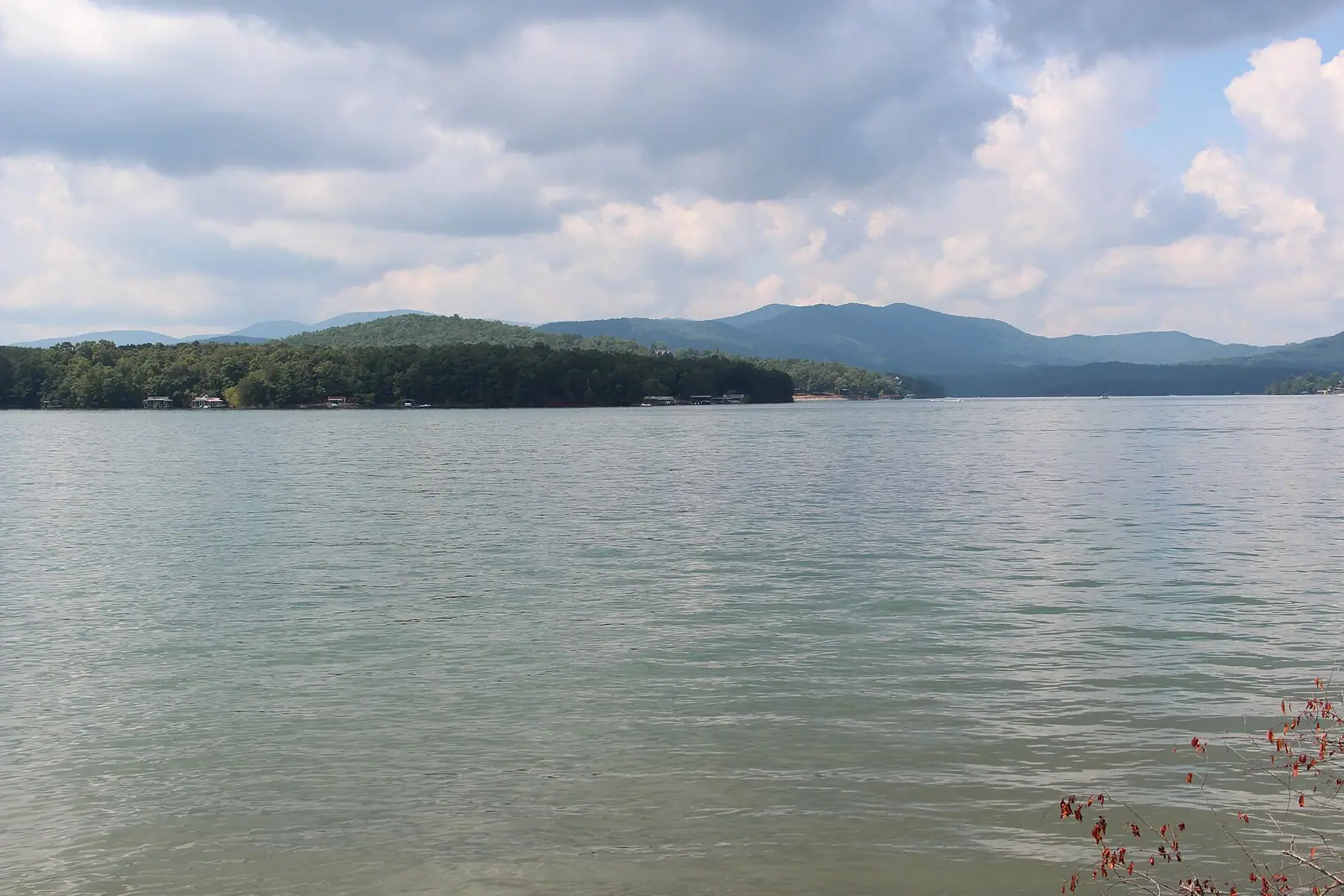
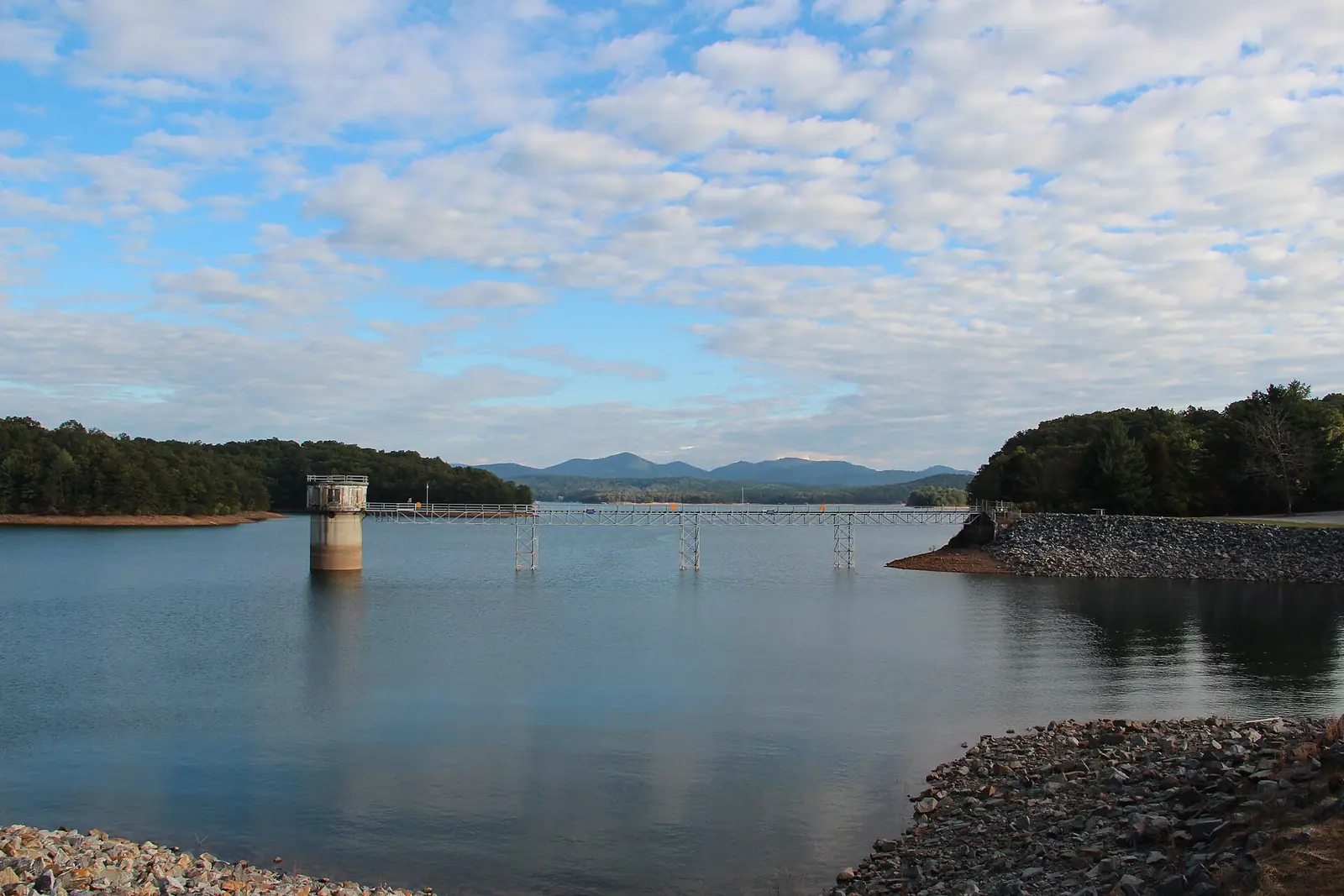
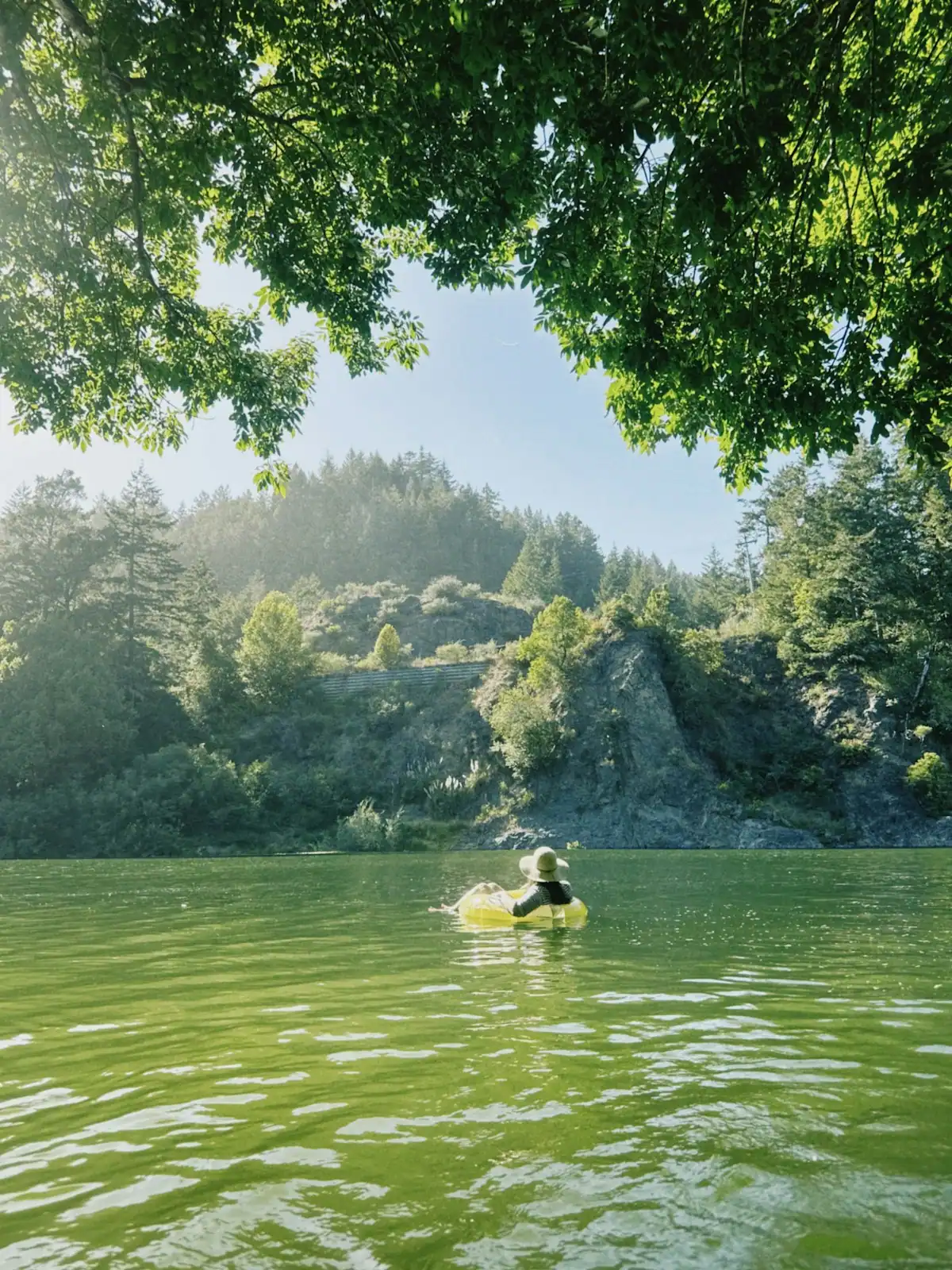
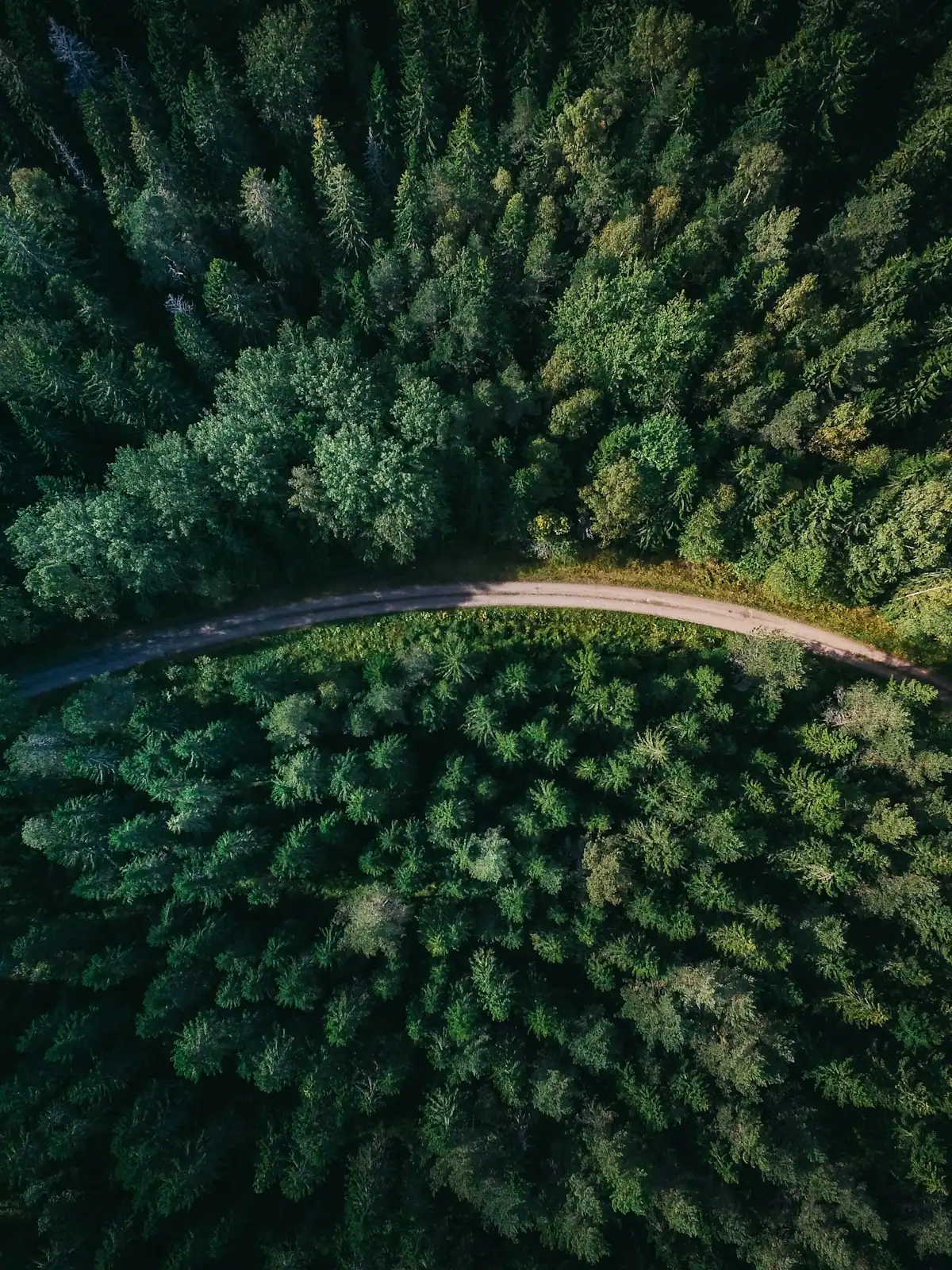
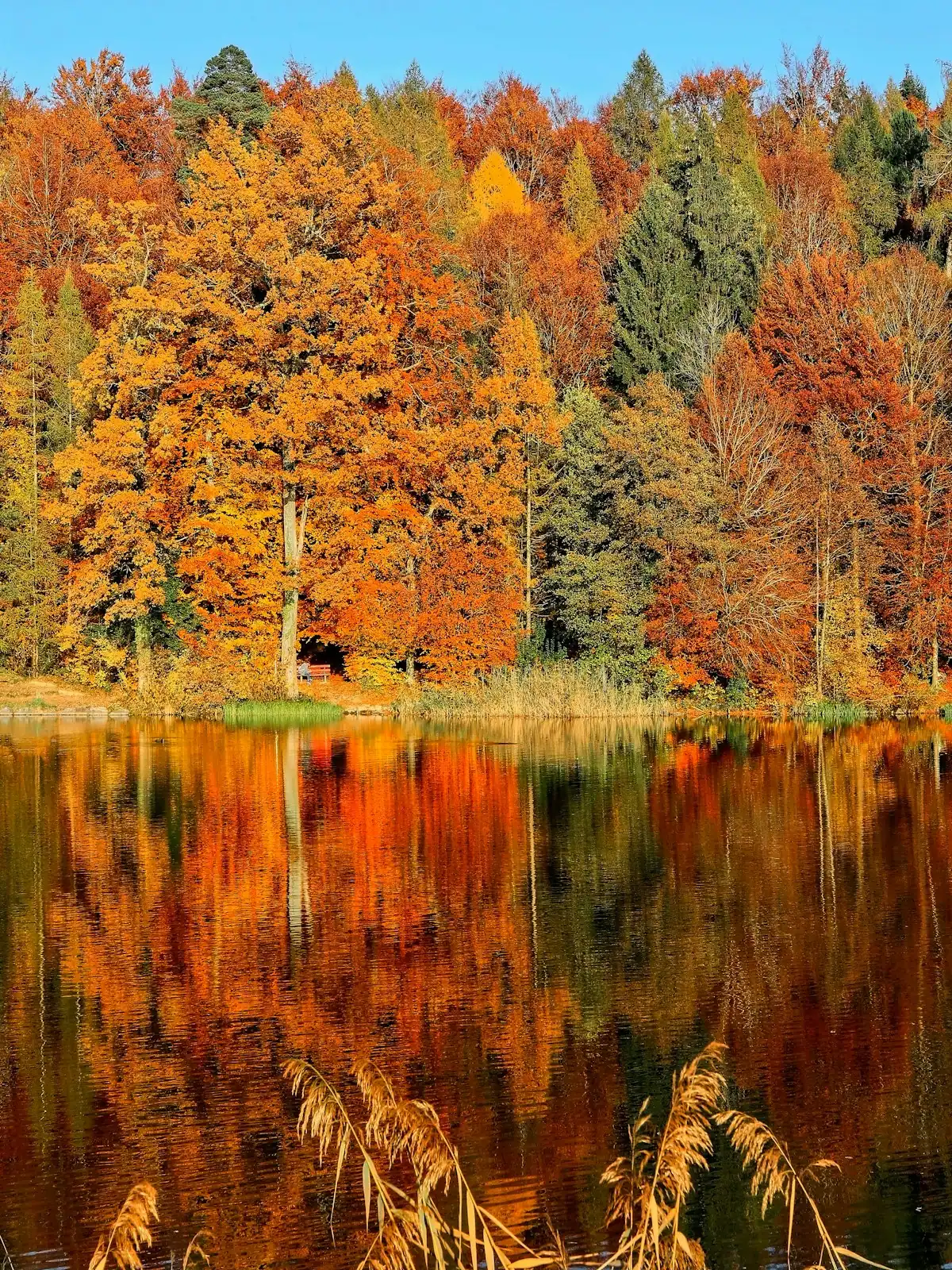
Look at Lake Blue Ridge from a boat in the middle and count the houses. On most stretches the answer is none. The shoreline is trees to the waterline, cove after cove of them, and the reason is jurisdictional rather than aesthetic: most of the land around this reservoir belongs to the Chattahoochee National Forest and was never available to subdivide. Anyone who has spent a weekend on Lanier or Allatoona will notice the difference within about ninety seconds.
The lake exists because a private power company dammed the Toccoa River. Construction on Blue Ridge Dam started in 1925, the Toccoa Electric Power Company brought it into service on 1 July 1931, and the whole enterprise passed to the Tennessee Valley Authority in 1939 after the Supreme Court upheld the act that created it. The dam stands 167 feet tall and turns out 22 megawatts, which is small as hydro schemes go. What it made is about 3,300 acres of water with something like sixty miles of shoreline, held at roughly 1,686 feet above sea level in summer.
The water is the second surprise. This is a deep, cold, clear mountain reservoir, 246 feet at its deepest and averaging around a hundred, which is a different animal from the warm shallow lakes further south. It stays cool well into June, the thermocline sets up hard in summer, and the clarity is better than most Georgia water. It also means there is no gently shelving beach in most places. The bank goes down.
The third thing to know is the one that ruins winter plans. TVA does not run this as a scenic amenity, it runs it as part of a river system, and the lake is drawn down through the colder months and refilled in spring. A cove that had eight feet of water over it in July can be mud and stumps in February, ramps can end well short of the waterline, and the marina's season reflects that. If you have booked a cabin with a lake view for January, the view may include a good deal of exposed bank.
None of which is a complaint. A quiet, deep, forest-ringed lake half an hour from a cabin with a hot tub is an unusually good thing, and the emptiness is the point. The rest of this page is about getting onto it, where the few public access points are, and what the water does through the year.