Blue Ridge Scenic Railway
Twenty-six miles of river running to a town cut in half by a state line, in an open-sided coach with the windows down.
2–5 hoursTicketed. Fares vary by coach class, trip length and season.
Photograph: Thomson200
Things to Do
Family things to do in Blue Ridge, Georgia: the scenic railway, apple picking, tubing the Toccoa, plus the creek, bear and driveway rules nobody mentions.
UnsplashHere is the thing nobody puts in a family travel article about this county, and it is the most useful sentence on the page: for children under about ten, the cabin is the holiday. The outings are decoration.
Parents arrive with a plan of four things a day and discover on the second morning that the children have found a creek at the bottom of the garden, a fire pit, a hot tub and a set of steps to jump off, and have no interest whatsoever in getting back in the car. This is not a failure of planning. It is what a rented house in the woods does to a seven-year-old, and it is why families come back to Blue Ridge year after year while spending almost nothing once they arrive.
So the realistic structure for a family weekend is one outing a day, chosen deliberately, with the rest of the time at the cabin. That framing changes which outings are worth it. A four-hour train ride is a wonderful day out and a genuinely long sit for a three-year-old, and the shorter express version exists for a reason. An afternoon floating the Toccoa on inner tubes is remembered for years. An hour picking apples at Mercier Orchards costs almost nothing and produces a bag of fruit the children actually eat. Driving forty-five minutes each way on gravel to look at a footbridge is, with small children in the car, a decision you will regret before you arrive.
The second thing worth saying plainly is that mountain cabins come with hazards that a beach rental does not, and they are not on the listing. Steep gravel driveways that a bicycle will not stop on. Creeks that rise fast after a storm. Wood stoves. Hot tubs with no fence. Black bears working the bin at two in the morning. Mobile signal that vanishes, which matters most when you want to call someone. None of this should stop you coming. All of it is easier if you have thought about it before you unlock the door.
What follows is the short list of outings that genuinely work with children, sorted by how forgiving they are, and then the safety section that most pages skip.
Local tips
Twenty minutes of setup on Friday changes the whole trip.
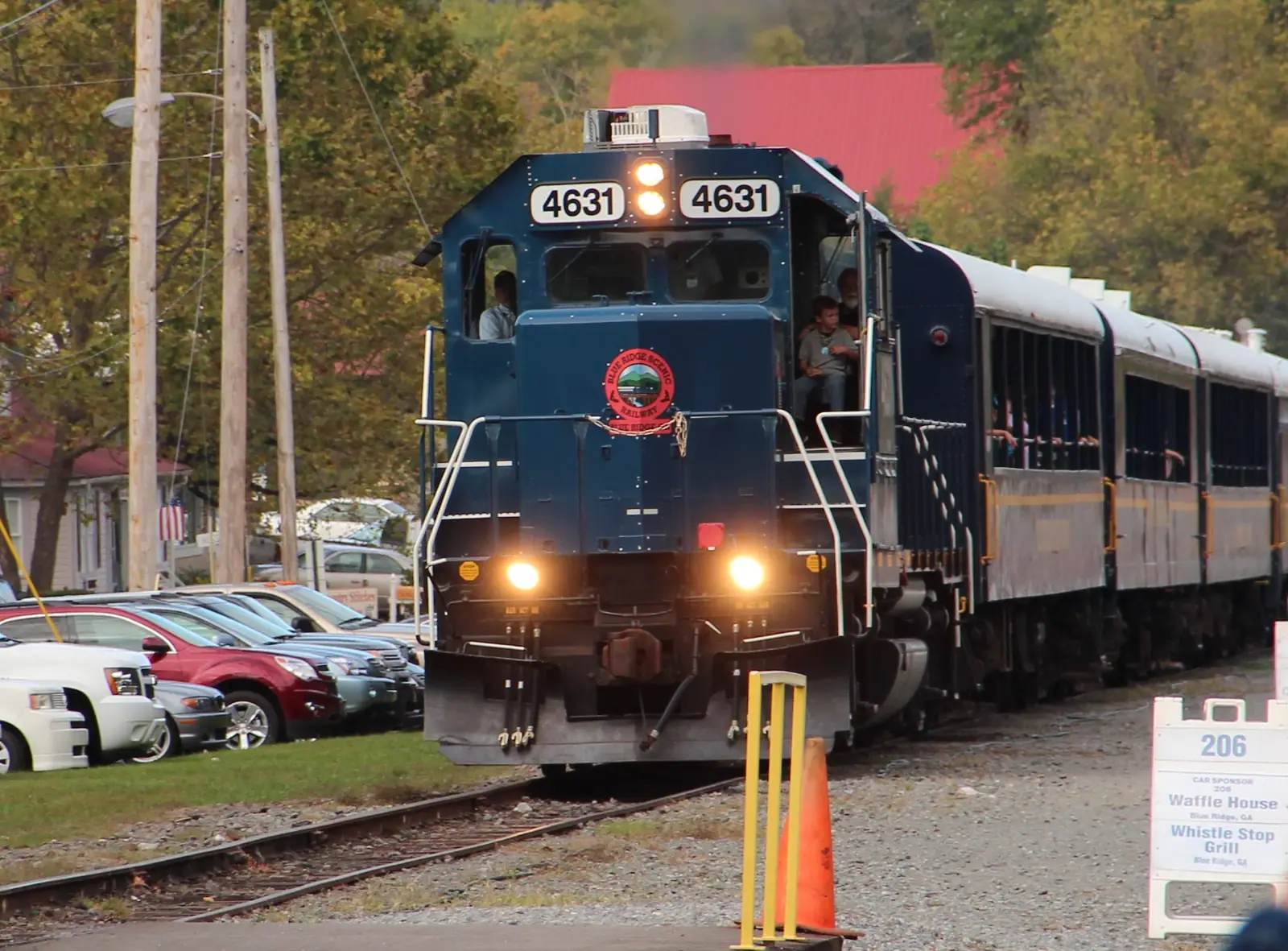
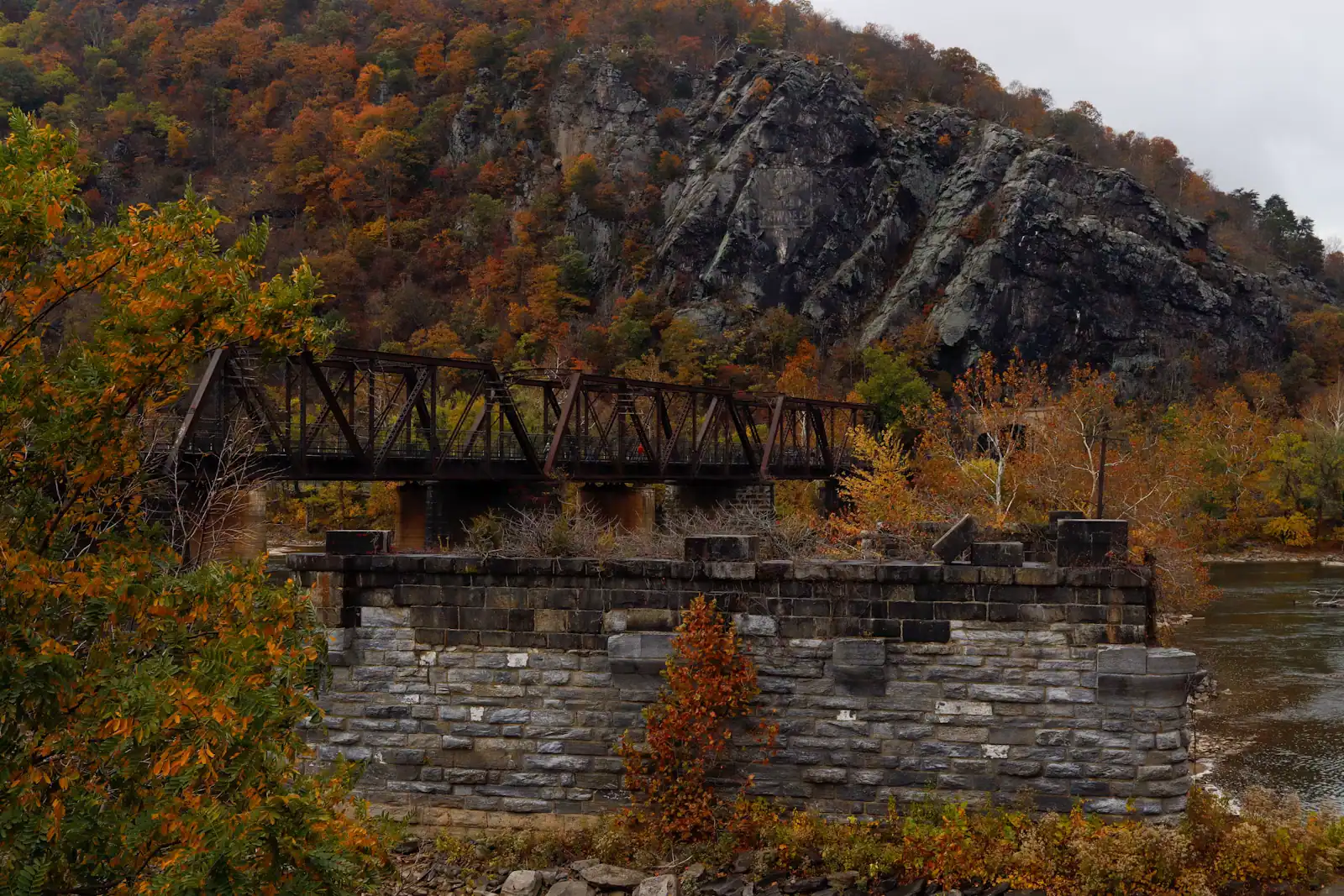
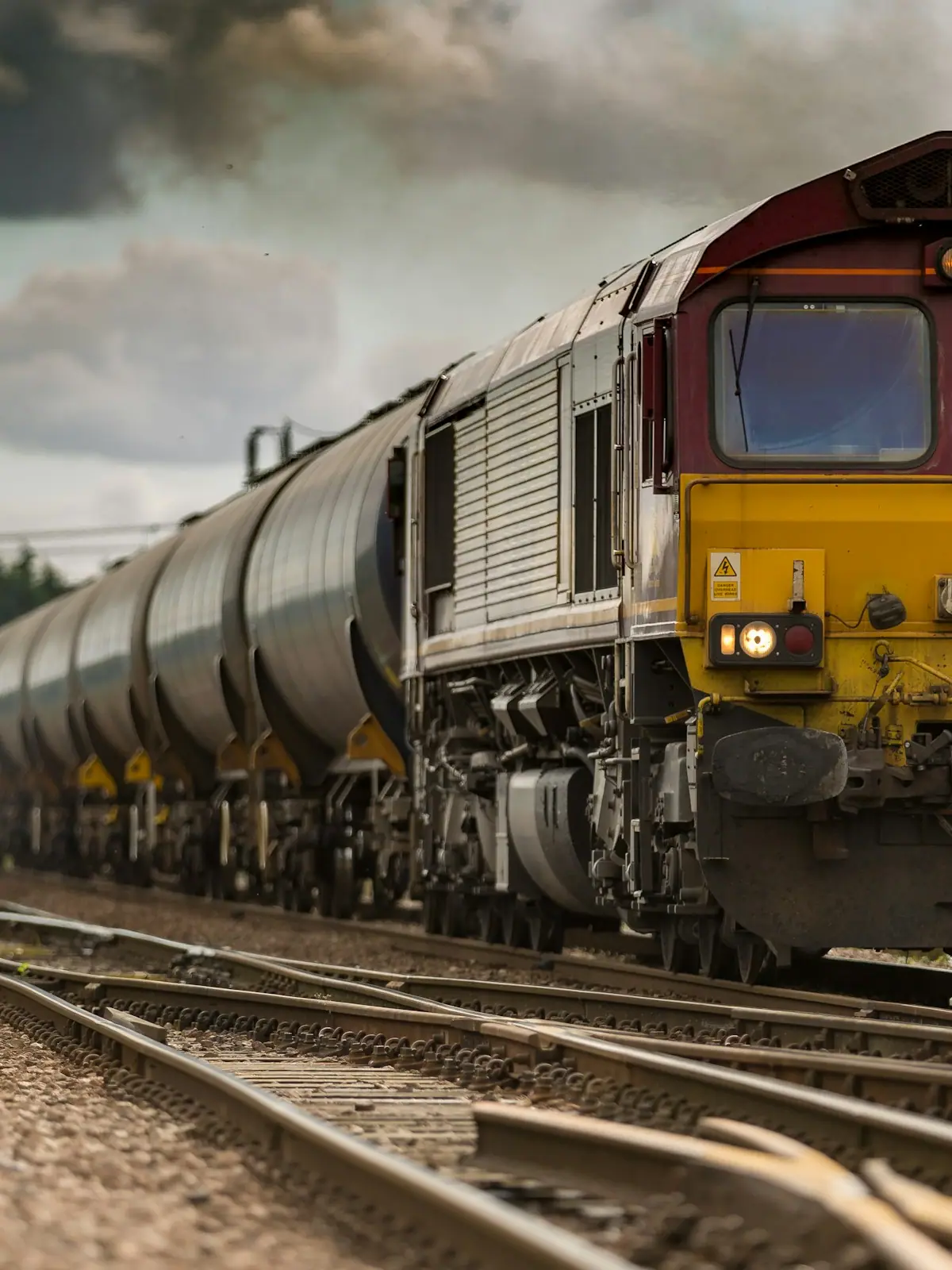
The Blue Ridge Scenic Railway is the obvious family day and it deserves the reputation. The train leaves from the depot in the middle of town, runs 26 miles there and back along the Toccoa River, and lays over for roughly two hours in McCaysville, Georgia and Copperhill, Tennessee, where the state line is painted across the road and every child in the party will want to stand with a foot in each state.
The decision that matters is which trip. The standard excursion is about four hours end to end. For children over about six that is a good day, particularly in an open-air car where there is wind and noise and things to look at. For toddlers it is a long time to be contained, and the shorter express that runs on selected dates without the layover is a better match.
Practical notes. Open-air seats are the fun ones and the cold ones; in autumn dress children as though they are sitting outside for two hours, because they are. Take snacks and water aboard. Use the lavatory before you board rather than after the train has started. And book autumn dates early, because leaf-season weekends sell out and there is no standby.
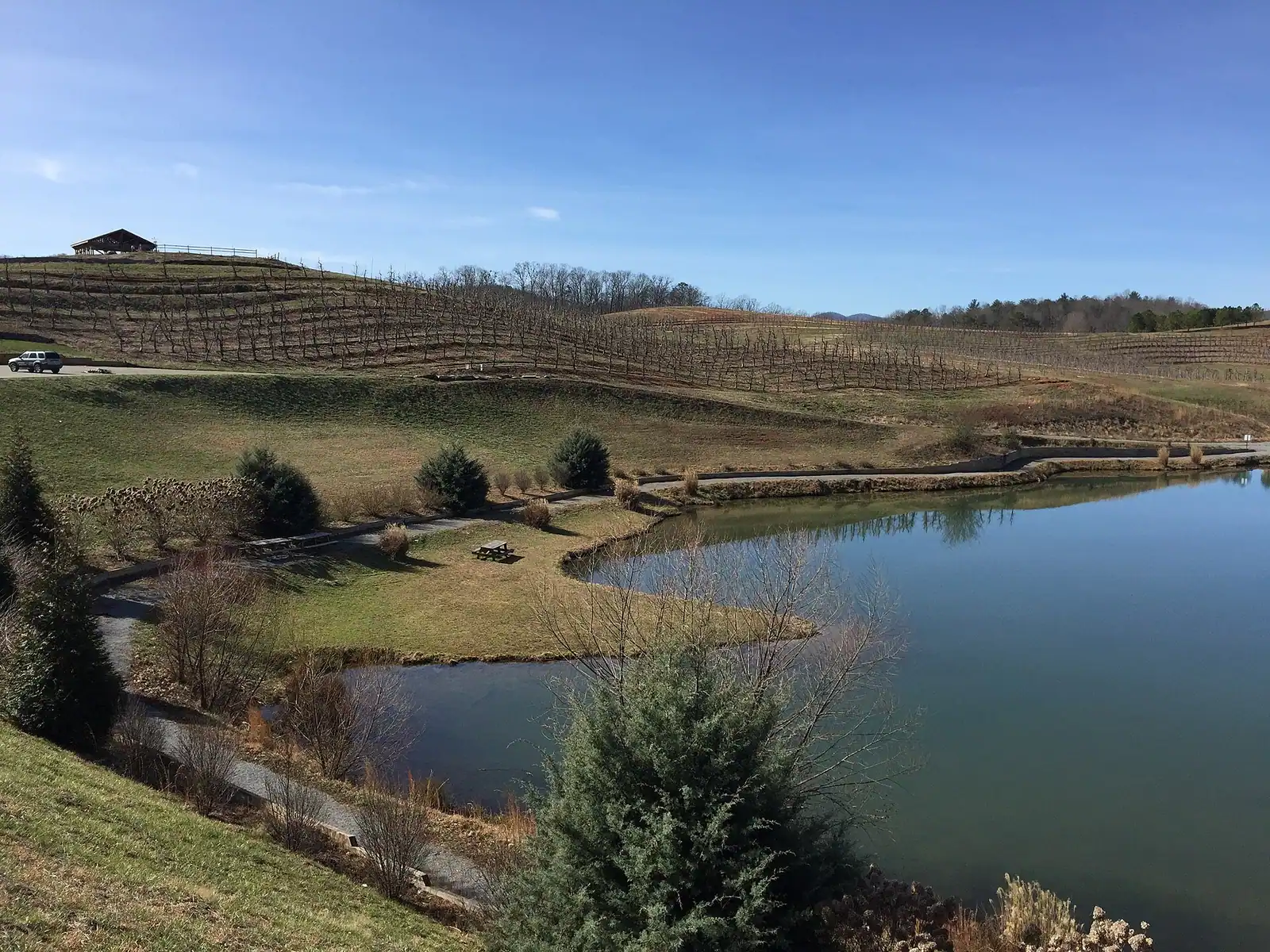
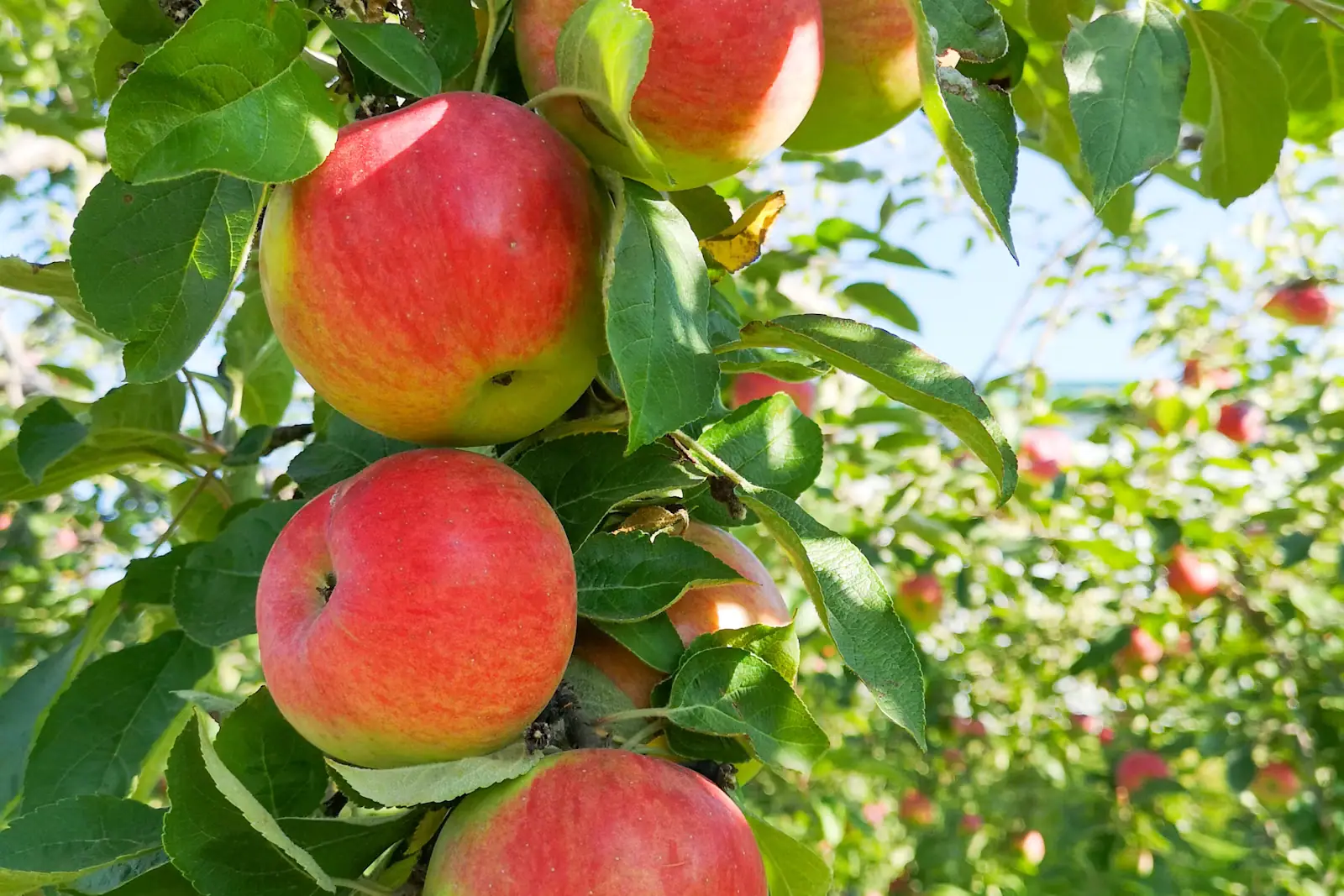
UnsplashMercier Orchards is the highest-value family hour in Fannin County. The farm has been in the same family since 1943 and grows more than forty apple varieties, and u-pick runs through the year by crop: strawberries in late spring, blueberries and blackberries in summer, peaches, then apples from late summer into autumn. Children who will not eat fruit at home eat it off the tree. The bakery and market run when the fields do not.
Two cautions. U-pick only opens when a crop is genuinely ready and closes when a field has been picked over, sometimes at short notice, so check what is open the week you go. And on an October Saturday the car park overflows and the turn-in backs up onto the highway. A weekday, or the first hour of the day, is a completely different visit.
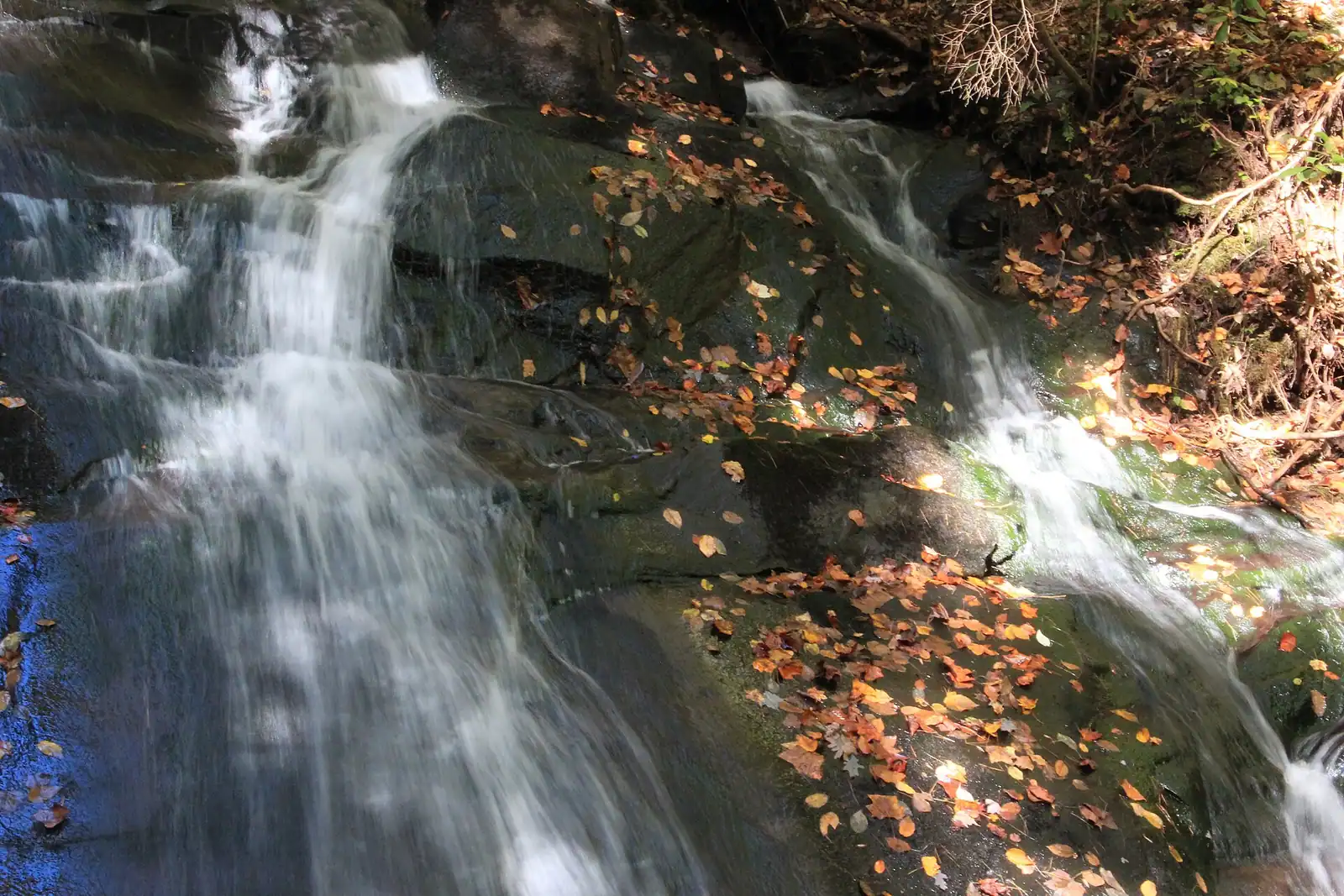
For walking, keep it short and steep rather than long and flat. Fall Branch Falls off Stanley Creek Road gets you to a real waterfall in a walk most children can do, and a waterfall is a far better destination than a viewpoint when you are seven. The Aska Adventure Area between the lake and the river has loops that can be an hour or a morning, which means you can turn round without it being a defeat.
Save Long Creek Falls and anything involving Forest Service Road 42 for older children. Those approaches are long, unpaved and unforgiving of a change of mind.
Fannin County is wet. Annual rainfall here runs far above Atlanta's, summer thunderstorms build over the ridges most afternoons, and a washed-out day with children in a cabin needs a plan made in advance rather than at eleven in the morning.
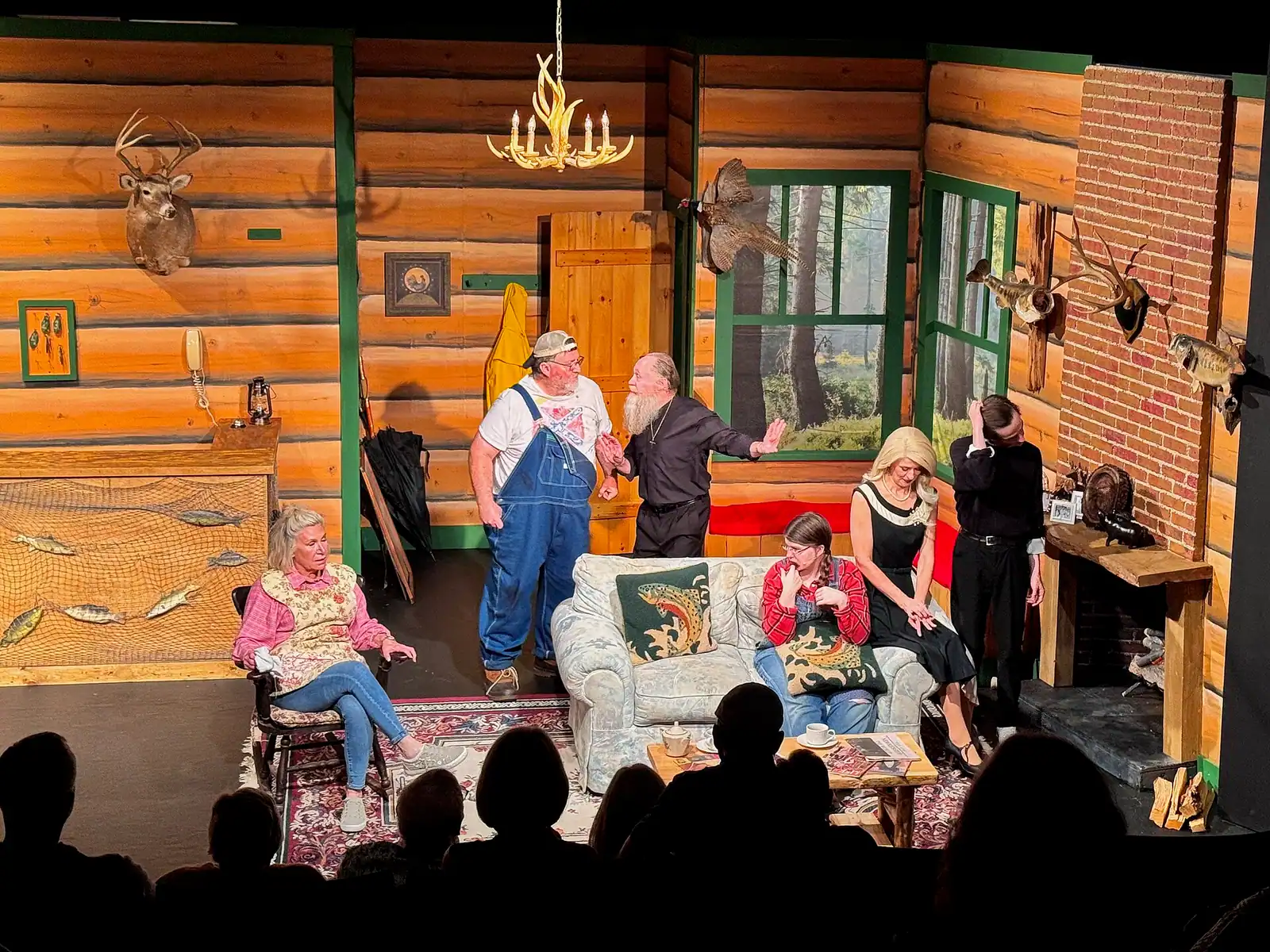
Indoors, the county's options are few and honestly small. Expedition Bigfoot at Cherry Log, between Blue Ridge and Ellijay, is a sasquatch museum that is a great deal more fun than the description suggests and fills an hour comfortably. Blue Ridge Community Theater runs a real season of plays and musicals in town. Downtown Blue Ridge is two covered blocks of shops beside the depot, which is enough for an afternoon of sweets, a toy and a book. The train's enclosed carriages run in the rain.
After dark, the best family evening in the county costs almost nothing. The Swan Drive-In in Blue Ridge is a working drive-in cinema showing current releases, and it is close to ideal with young children: they can fall asleep in the back and you can still watch the film. It runs seasonally rather than year-round, so check what is showing.
Failing that, it is the fire pit. Marshmallows, a torch, and the fact that on a clear night a long way from streetlights the sky over these mountains is genuinely worth lying down for.
UnsplashBefore you book
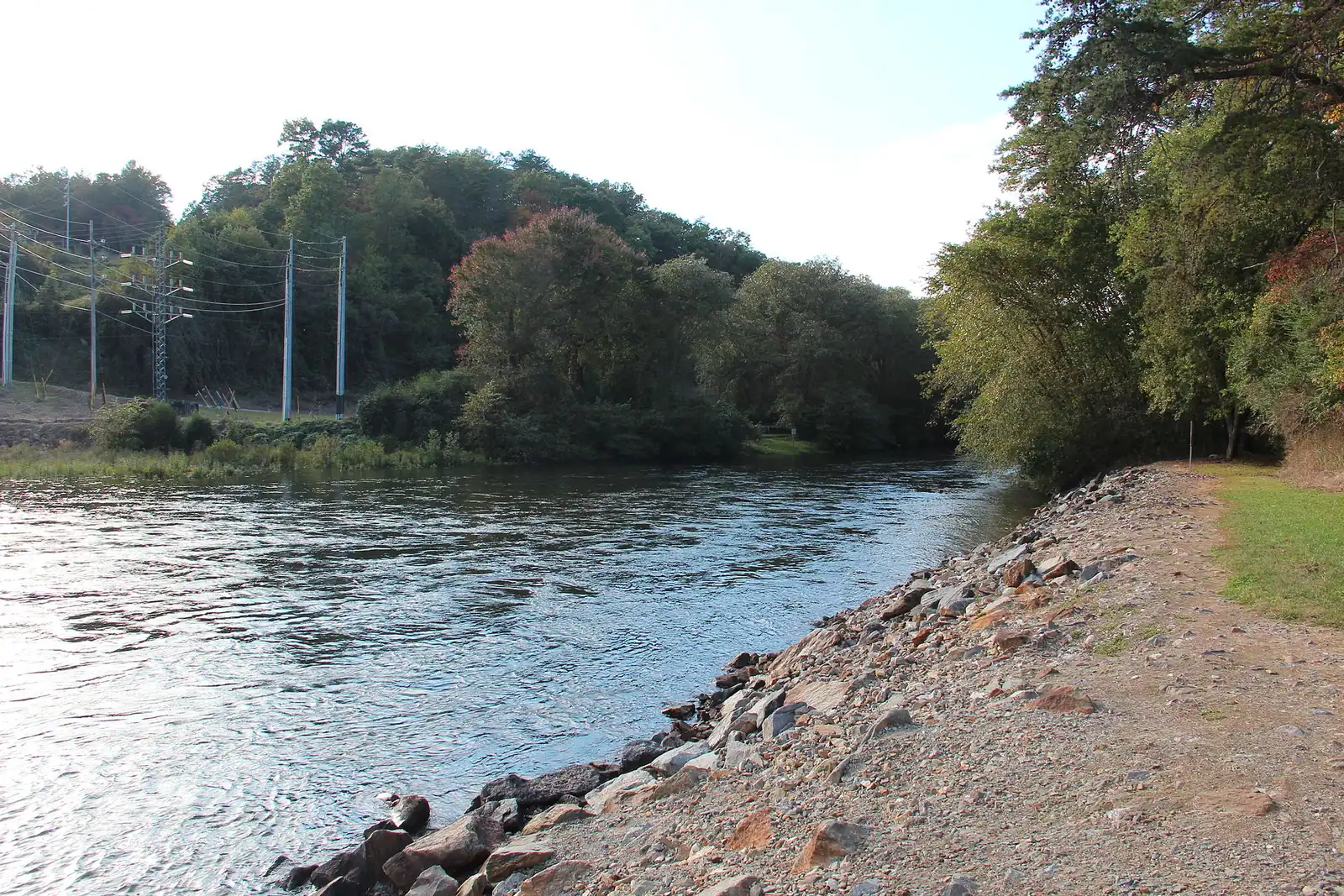
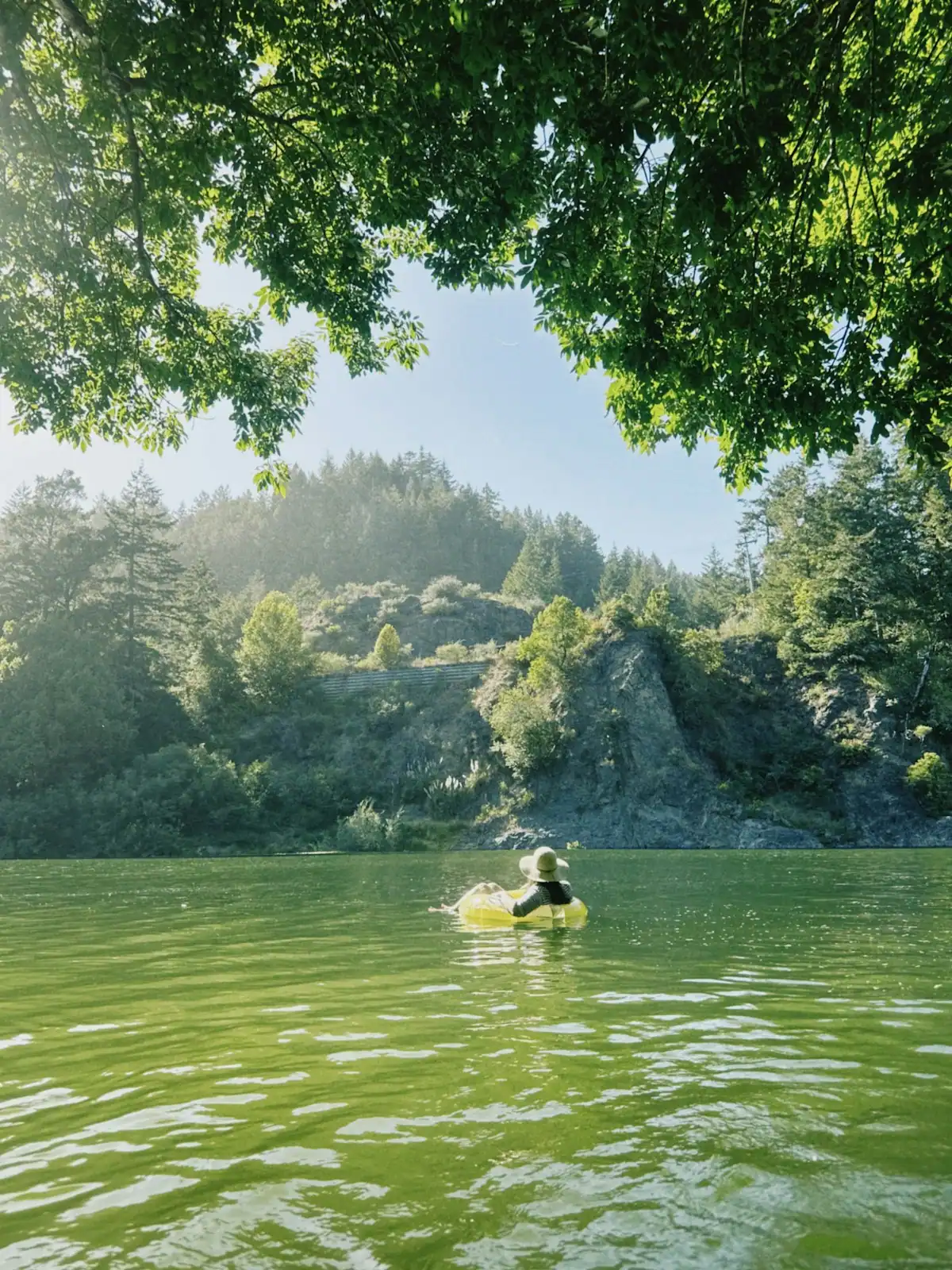
The Toccoa River is the best family water in the county and it is colder than children expect. Below the Blue Ridge Dam the river is fed from deep in the reservoir, which keeps it cold year-round; that is what makes the trout fishery possible and what makes a July float bracing rather than warm.
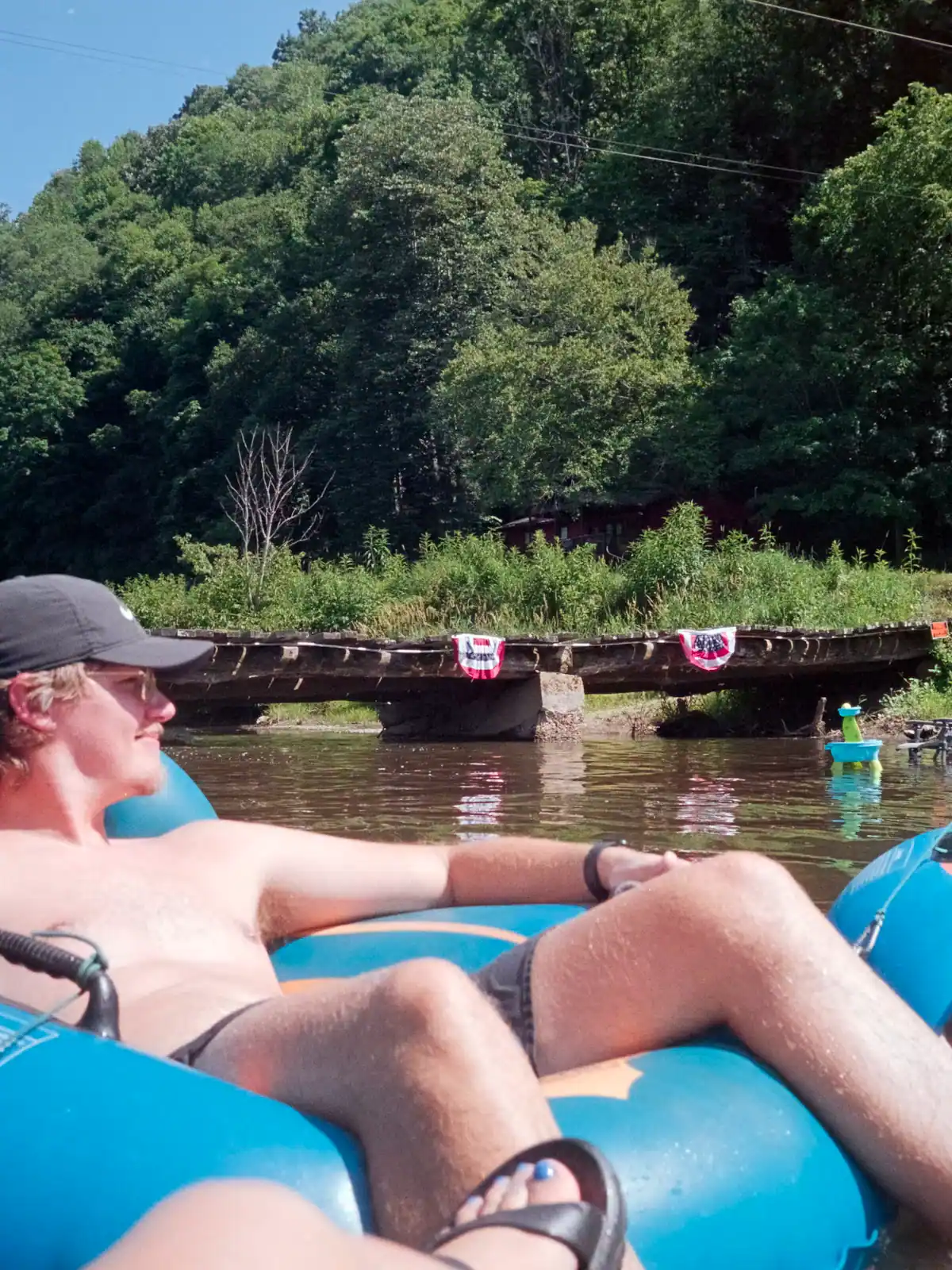
Tubing on the gentler upper stretches is a summer activity, roughly from early summer into early autumn, and it works from about age six upward with confident adults in the group. Outfitters supply a tube and a shuttle to the put-in and then you float back at the river's pace. Nobody is guiding you. Bring shoes you can walk in, because the bottom is rock and you will be getting in and out. A buoyancy aid on any child who is not a strong swimmer is not optional, whatever the depth looks like.
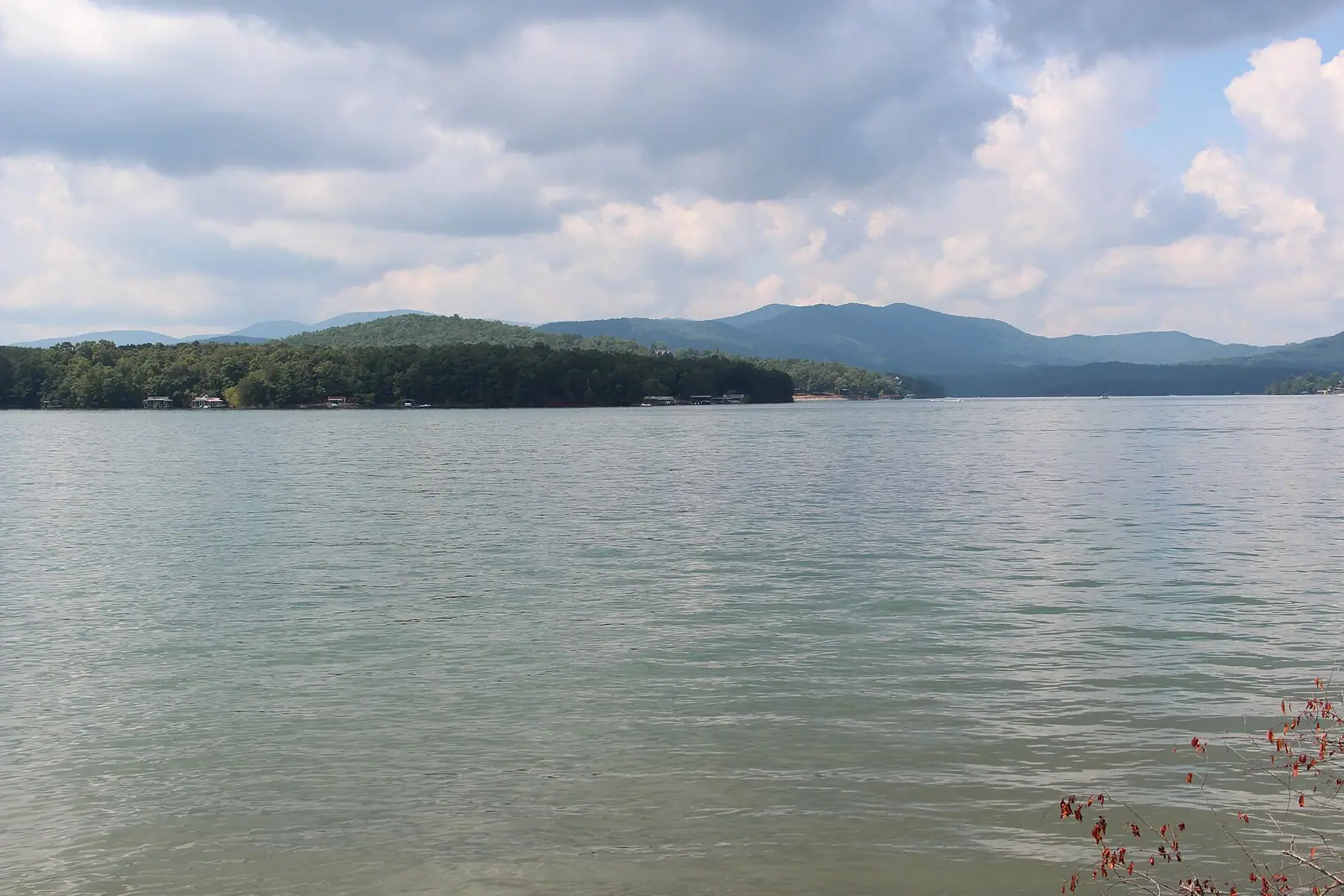
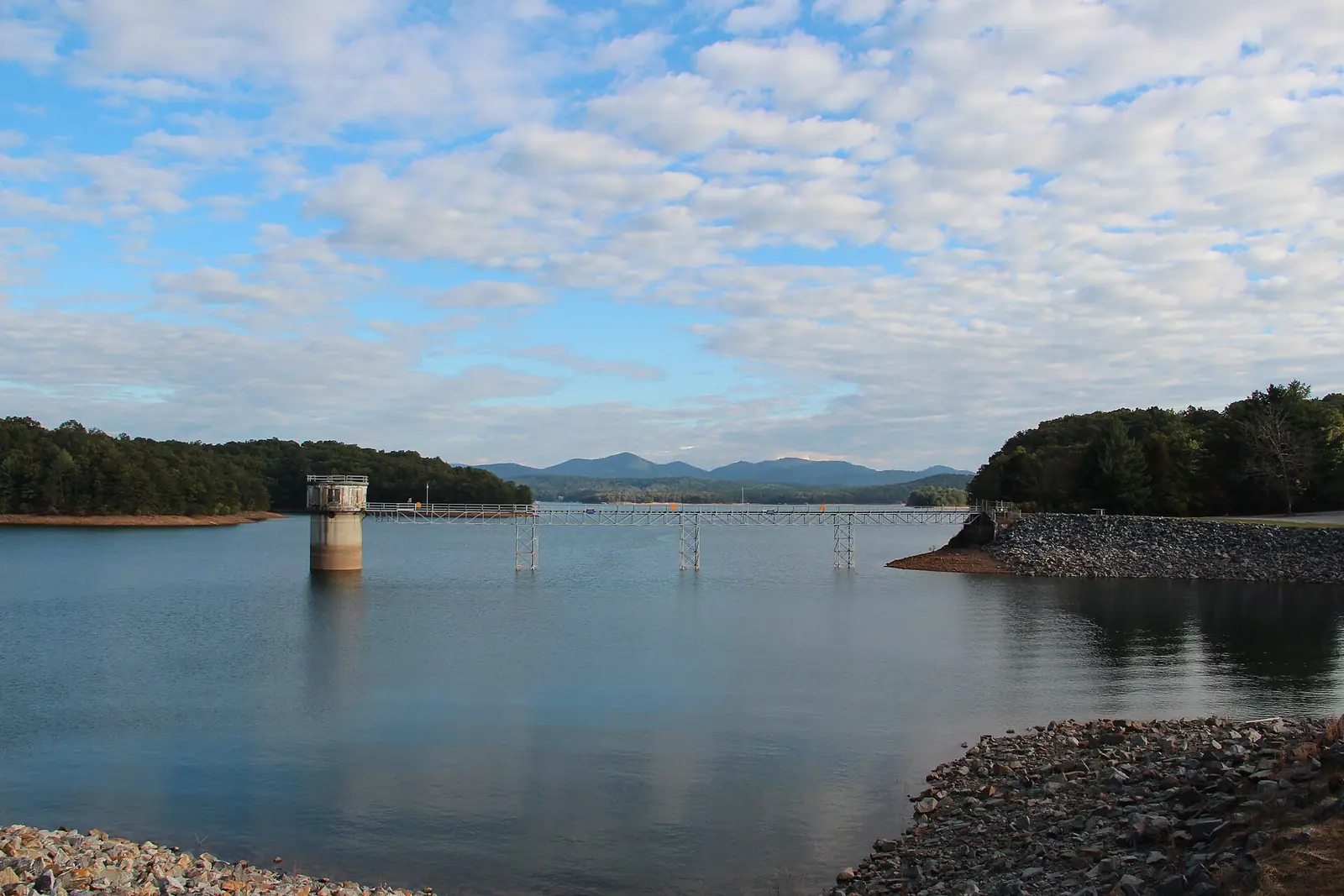
Lake Blue Ridge gives you calmer swimming, with the established beach at Morganton Point on the north shore. There are no lifeguards anywhere on the lake. Water below the warm surface layer is cold, there is submerged timber in places, and boat traffic in the main channel picks up at weekends.
Whitewater is not here. The Ocoee across the Tennessee line is the real rafting river, and operator minimum ages and weight limits vary by section. Check before you promise a nine-year-old anything.
Before you book
Bears. Fannin County sits inside north Georgia's black bear range and bears work the edges of cabin developments routinely. Take rubbish indoors overnight, keep the grill clean, never leave food or a cooler on the deck, and do not put a bag out the night before collection. If the cabin has a bear-proof bin, use it properly. A bear that learns to raid cabins is usually a bear that ends up dead.
The driveway. Steep gravel is the most underrated hazard here. A child on a scooter or a bike cannot stop on it, cars slide on it in the wet, and reversing down one with people behind you is how the weekend goes wrong. Agree a hard boundary on the first evening.
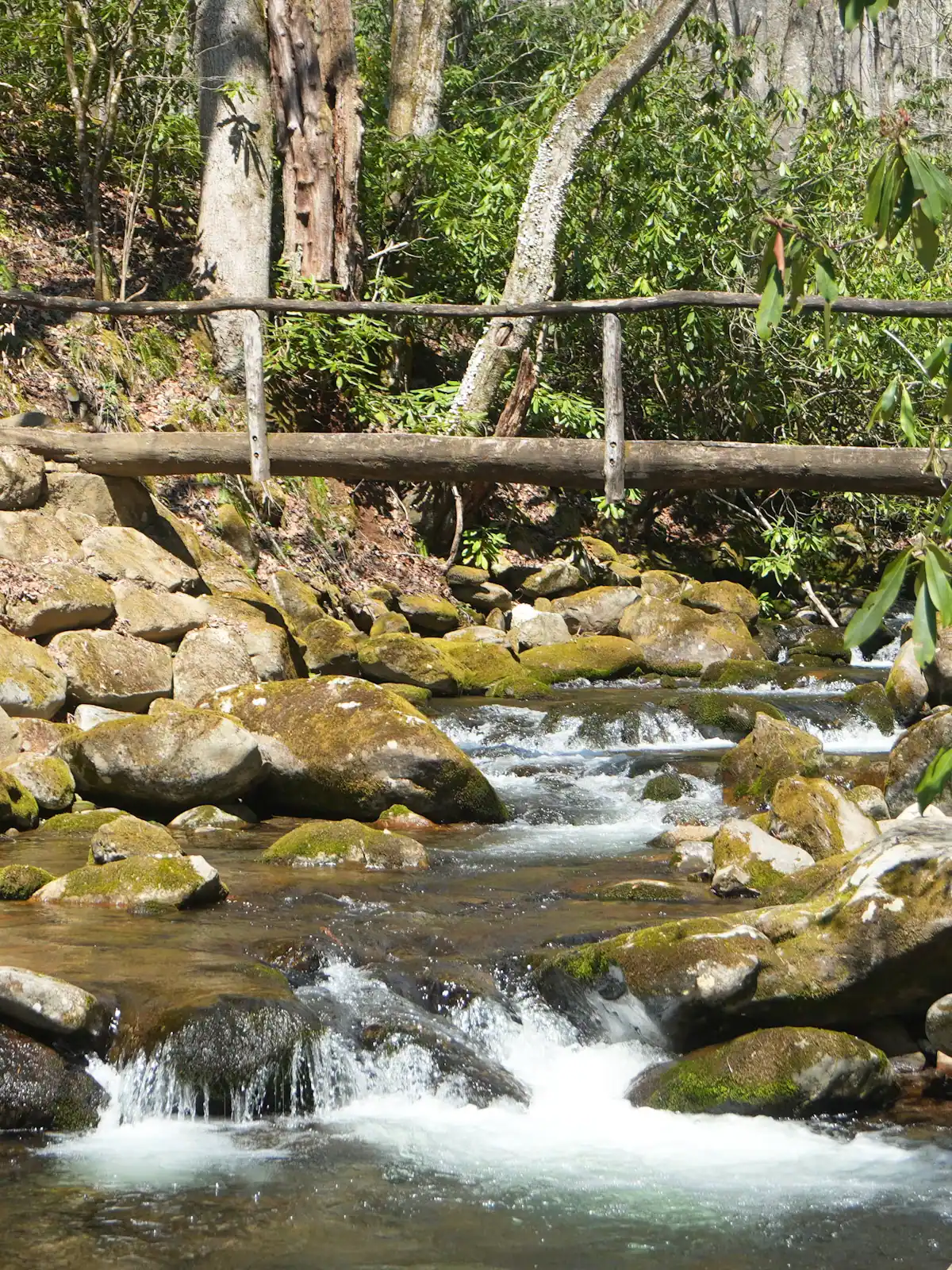
Creeks. Mountain creeks rise fast and hard after a storm that fell miles away and that you never saw. A stream that was ankle deep at lunchtime can be dangerous by teatime. Never let children play in one while it is raining upstream.
Ticks and yellow jackets. Both are common from spring through autumn. Long socks, a check at bath time, and knowing whether anyone in the party carries an allergy pen.
Signal and distance. Large parts of the county have no usable mobile coverage, and the nearest hospital is not around the corner. Know your cabin's address and its gate code, write them down on paper, and note where on the drive the signal comes back.
On the ground
Every place below has its own page — hours, parking, what it costs and what to expect when you get there.

Twenty-six miles of river running to a town cut in half by a state line, in an open-sided coach with the windows down.
2–5 hoursTicketed. Fares vary by coach class, trip length and season.
Photograph: Thomson200

A fourth-generation apple farm with a bakery, a hard cider house and, on an October Saturday, a car park like a county fair.
1–3 hoursFree to visit the market, bakery and cider house. U-pick and tastings are charged.
Photograph: Thomson200

Georgia's tallest waterfall at 729 feet, about an hour south, with a staircase of six hundred-odd steps up the side of it.
1.5–5 hoursGeorgia state park daily parking pass per vehicle; annual passes available.
Photograph: Thomsonmg2000

One river, two personalities: a lazy summer float above the lake, and a cold tailwater below the dam that fishes all year.
2–7 hoursFree to access. Forest Service recreation areas charge a day-use parking fee, and rentals and shuttles are extra.
Photograph: Thomson200

The same water as the Toccoa, over the state line and released from a dam: class III-IV rafting about an hour from a Blue Ridge cabin.
4–8 hoursThe river corridor is free to visit; commercial rafting is booked and paid per person.
Photograph: Thomson200

Open since 1955 on a field above town: double features, sound through the car radio, and a diner that keeps the place alive.
2.5–5 hoursPaid admission per person for a double feature. Entering for the second film only costs the same.
Photograph: Harrison Keely

The public way onto Lake Blue Ridge: a small sand beach, 42 forest campsites and a ramp, in a village that used to run the county.
2–5 hoursDay-use parking fee per vehicle; camping charged per night.
Photograph: Thomson200

The closest real waterfall to a Blue Ridge cabin: a few hundred yards down the Benton MacKaye Trail, all of it downhill on the way in.
0.5–1.5 hoursFree. No fee, no facilities, and very limited verge parking.
Photograph: Thomson20192

The lake's main rental and fuel point, sitting near the dam on a reservoir whose level TVA changes by dozens of feet a year.
2–8 hoursBoat rental, fuel and slips are charged. Looking at the lake is free.
Photograph: Thomson200

Casts, field recordings and expedition kit on Highway 515: the county's most reliable hour indoors when the weather turns.
1–1.5 hoursAround $9 adults and teens, $6 children 5-12, under 5s free.
Photograph: Unsplash

A volunteer theatre with three separate spaces, in its twenty-eighth season, five minutes from the depot.
2–3 hoursPaid tickets by production, sold through the theatre's box office.
Photograph: Harrison Keely
Straight answers
Yes, and for a reason parents do not expect: the cabin does most of the work. Children under about ten are usually happy with a creek, a fire pit and a garden, which means one outing a day is plenty. The scenic railway, apple picking at Mercier Orchards and a summer float on the Toccoa are the three that reliably land. The trade-off is driving, since everything is fifteen to forty-five minutes apart.
The standard four-hour trip suits children from about six upward, especially in an open-air car where there is plenty to look at. With toddlers, four hours including a two-hour layover is a long containment, and the shorter express that runs on selected dates without the layover is the better booking. Use the lavatory before boarding, take snacks, and in autumn dress everyone for sitting outdoors.
Yes, on the gentle stretches, generally from about age six with capable adults in the group. Outfitters give you a tube and a shuttle to the put-in and you float back at the river's pace with nobody guiding you. The water is cold even in July because it comes from deep in the reservoir. Put a buoyancy aid on any child who is not a strong swimmer, and bring shoes, because the riverbed is rock.
Morganton Point on the north shore of Lake Blue Ridge is the established swimming area, run by the Forest Service. There are no lifeguards there or anywhere else on the lake. The water below the warm surface layer is cold, there is submerged timber in places, and boat traffic builds at weekends. Note that the reservoir is drawn down about twenty feet in winter, so it is a late-spring-to-early-autumn swim.
Expedition Bigfoot at Cherry Log is a genuinely entertaining hour, Blue Ridge Community Theater runs a proper season of shows, and the two blocks of downtown shops beside the depot will absorb an afternoon. The scenic railway's enclosed carriages run in the wet. Beyond that, the honest answer is the cabin: a fire, a board game and a film is what most families end up doing, and it is not a consolation prize.
Yes. Fannin County is inside north Georgia's black bear range and bears regularly investigate cabin bins and decks. The rules are simple and they work: rubbish indoors overnight, grill cleaned, no food or coolers left outside, nothing put out the night before collection. Use the bear-proof bin if the cabin has one. Never feed a bear or leave anything out that trains one to come back.
Not in the way a resort town has them. This is a rural county of about 25,000 people whose visitor economy is cabins and forest, not built attractions, and there is no water park. What there is instead is a river, a lake beach, an orchard, a train and an enormous amount of national forest. Families who arrive expecting resort infrastructure are disappointed; families who arrive expecting outdoors are not.
Shoes that can get wet, a buoyancy aid for any weak swimmer, torches, insect repellent and long socks for ticks, and layers, because mountain evenings are much cooler than the daytime forecast suggests. Download maps, films and music before you leave the main road, since signal is unreliable across the county. Write your cabin's address and gate code on paper, and take more firewood money than you planned.