Skip to content
Search
Menu

These bookings pay us a commission through Viator. Your price does not change, and neither did our picks because of it.

Things to Do

Rain in Blue Ridge: What Still Works

Last updated

It rains a lot in Blue Ridge, Georgia. The short list of indoor options, the outdoor things that get better in the wet, and when to drive out of the county.

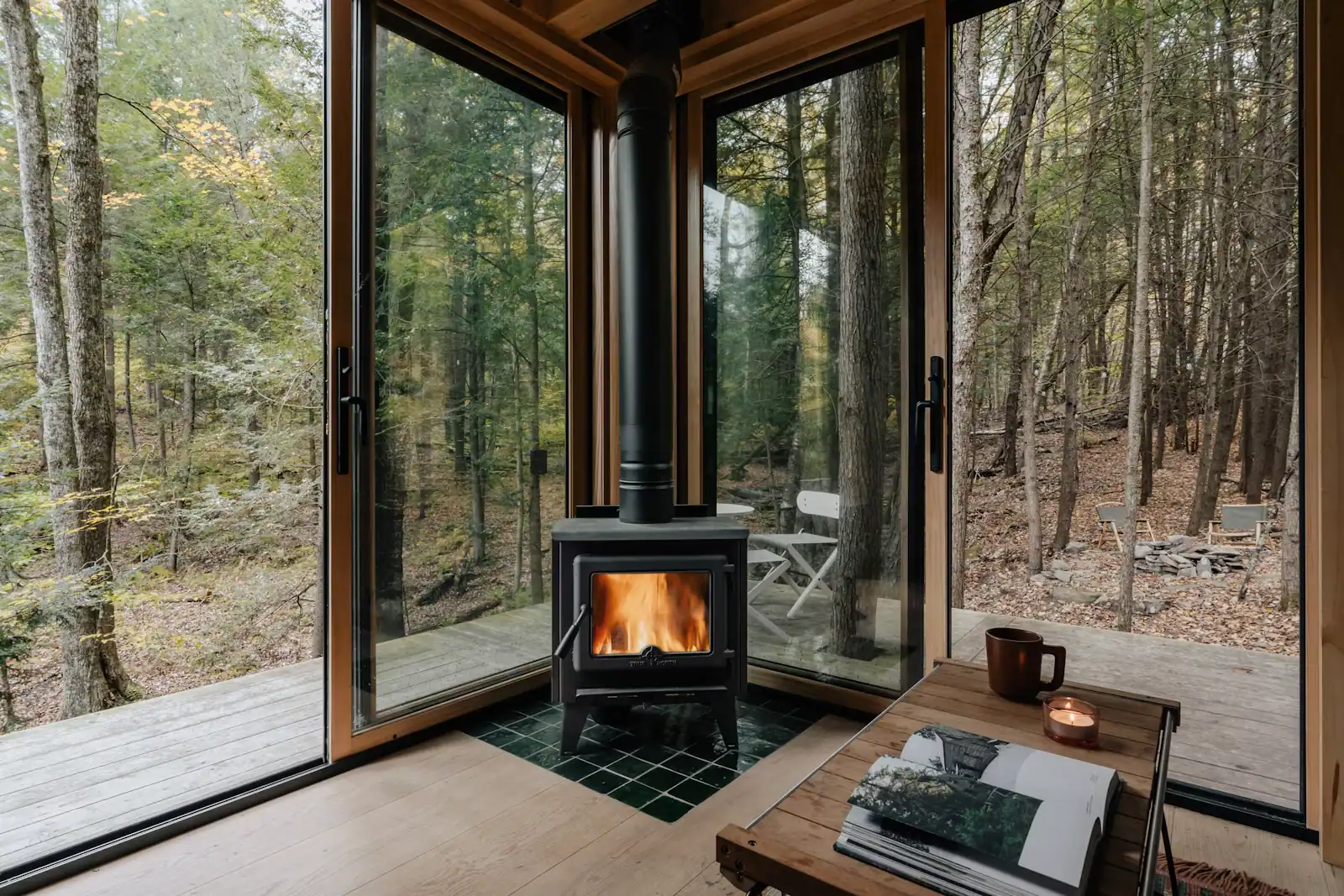
A wood-burning stove alight in the corner of a simple timber-lined roomUnsplash

You will get rained on here. Blue Ridge sits at around 1,760 feet on the western edge of the southern Appalachians, where air pushed up against the mountains drops its water, and the county averages somewhere near sixty inches of precipitation a year. That is well above Atlanta, ninety miles south. In summer the pattern is a bright morning and a thunderstorm that assembles over the ridges in the early afternoon. In winter it is days of low grey and valley fog that does not clear until mid-morning.

The second thing to know is that Fannin County has very few indoor venues. This is a rural county of about 25,000 people whose entire visitor proposition is outdoors, and it has no aquarium, no science centre, no shopping mall and no multiplex. A guide that lists twenty rainy-day attractions here is padding. The genuine indoor list runs to about five things and you can read it in a minute.

Which is why the useful version of this page is a different question. Not where can we shelter, but what is actually better in the rain, and what is the cabin for. Because the real answer, and every local will give it to you, is that a wet day in Blue Ridge is the day the cabin earns its rent. The wood stove, the hot tub in the drizzle, a pot of something on the hob and the sound of water off the roof is not a consolation prize. For a lot of people it is the whole reason they booked.

There is a hard safety edge to this, and it is worth putting near the top rather than at the bottom. Mountain creeks rise fast and violently after rain that fell miles upstream and that you never saw. A stream that was ankle deep at lunchtime can be dangerous by four. Forest roads wash out and turn greasy, low-water crossings become impassable, and the county is not going to grit anything in an ice event. Change your plan when the weather changes, rather than driving into it.

Below: the outdoor things that improve in the wet, the short honest indoor list, the cabin day done properly, and when a soaked forecast is a reason to leave the county.
The outdoor things that are better wet

Cancelling the whole day because of rain is the most common mistake visitors make here, and it costs them the best version of several things.

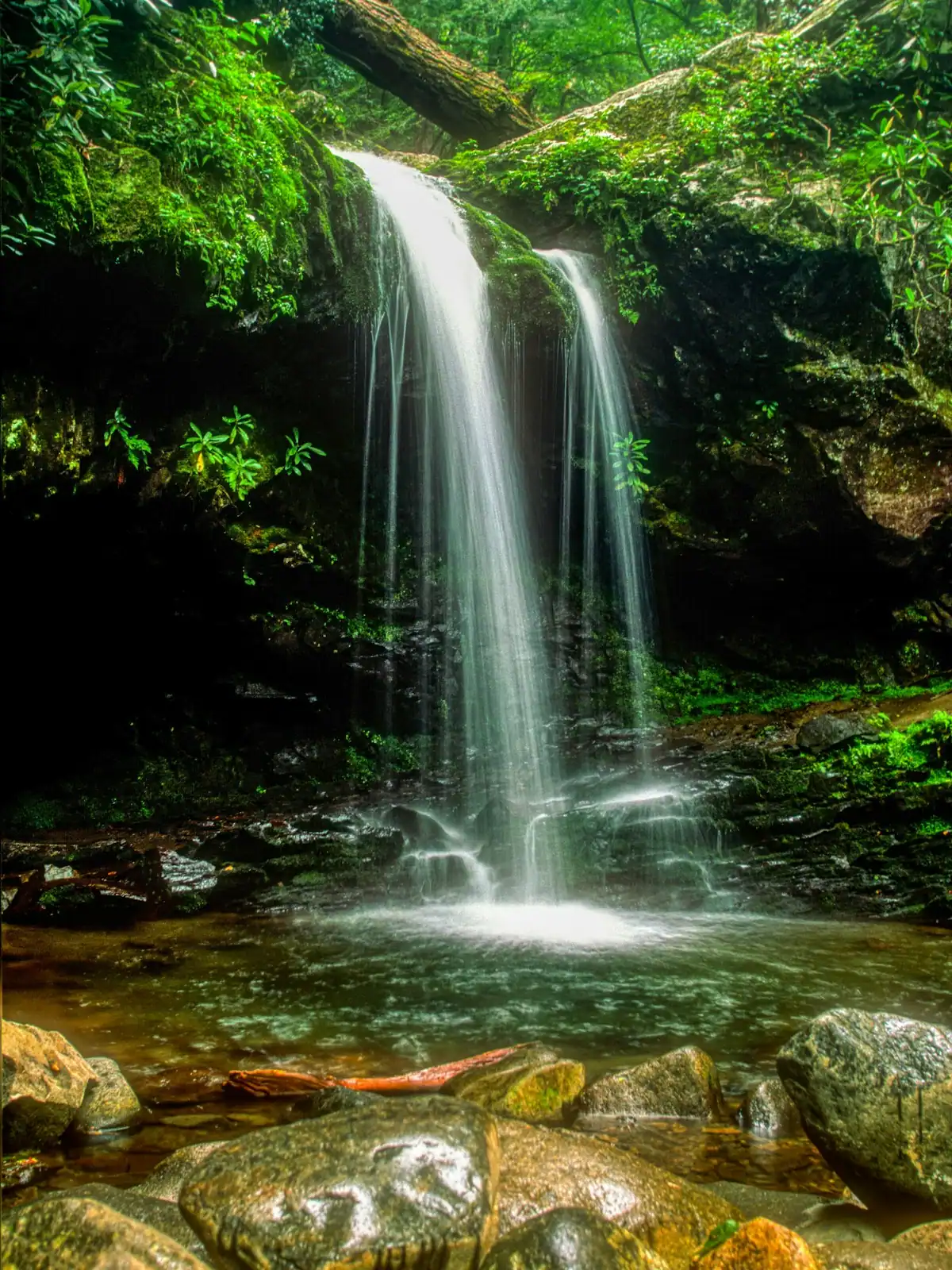
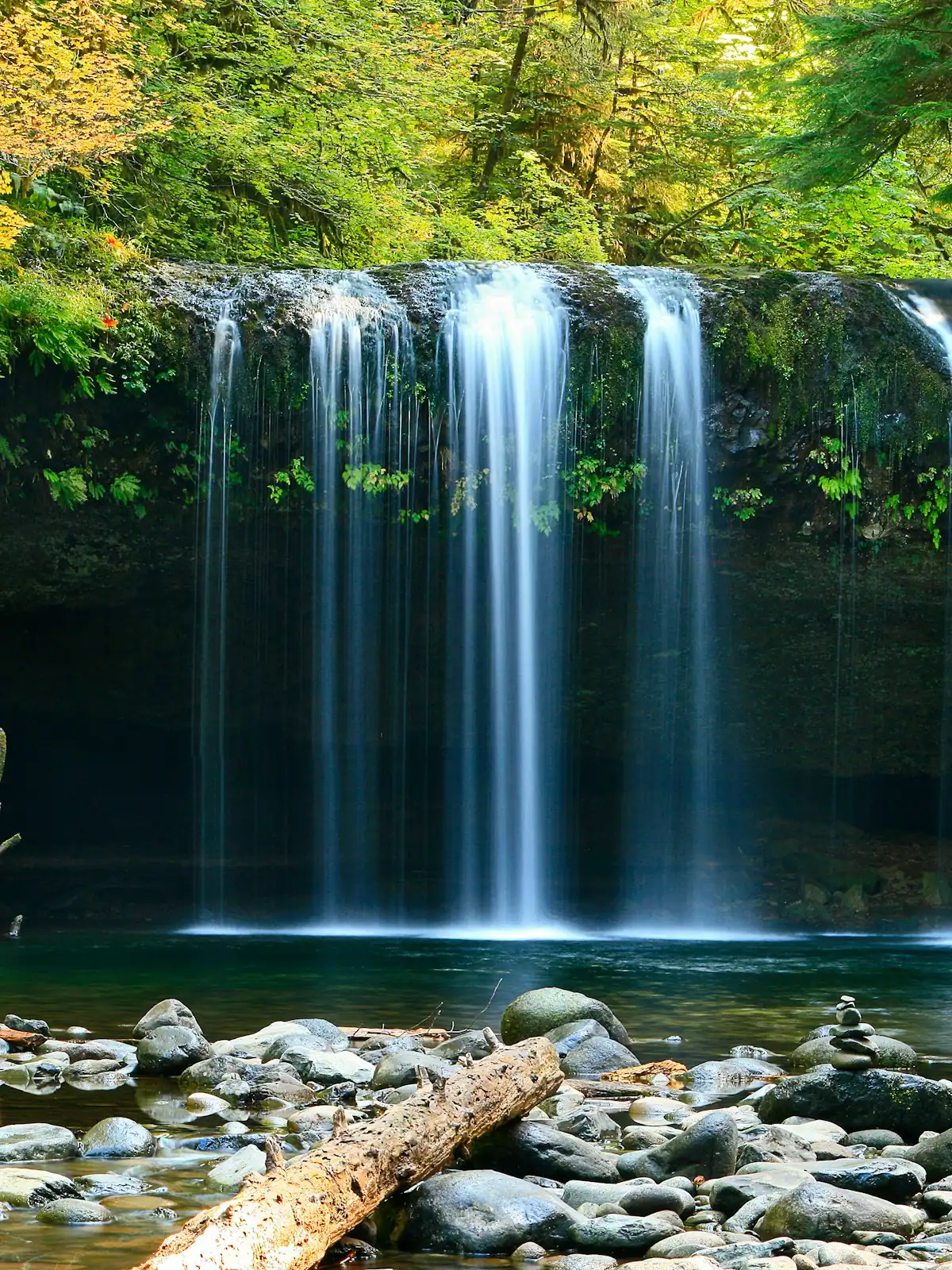
Waterfalls. Every fall in the county runs harder after rain, and some of them are frankly disappointing at the end of a dry August. Fall Branch Falls off Stanley Creek Road and Long Creek Falls near Three Forks are both at their best a day or two after heavy weather, when the volume is up and the light under the canopy is flat and even, which is also when they photograph best.

The forest itself. Under a full summer canopy you stay drier than you expect in steady rain, the smell of wet rhododendron and leaf litter is the thing people remember about these mountains, and the trails are empty because everybody else stayed in.

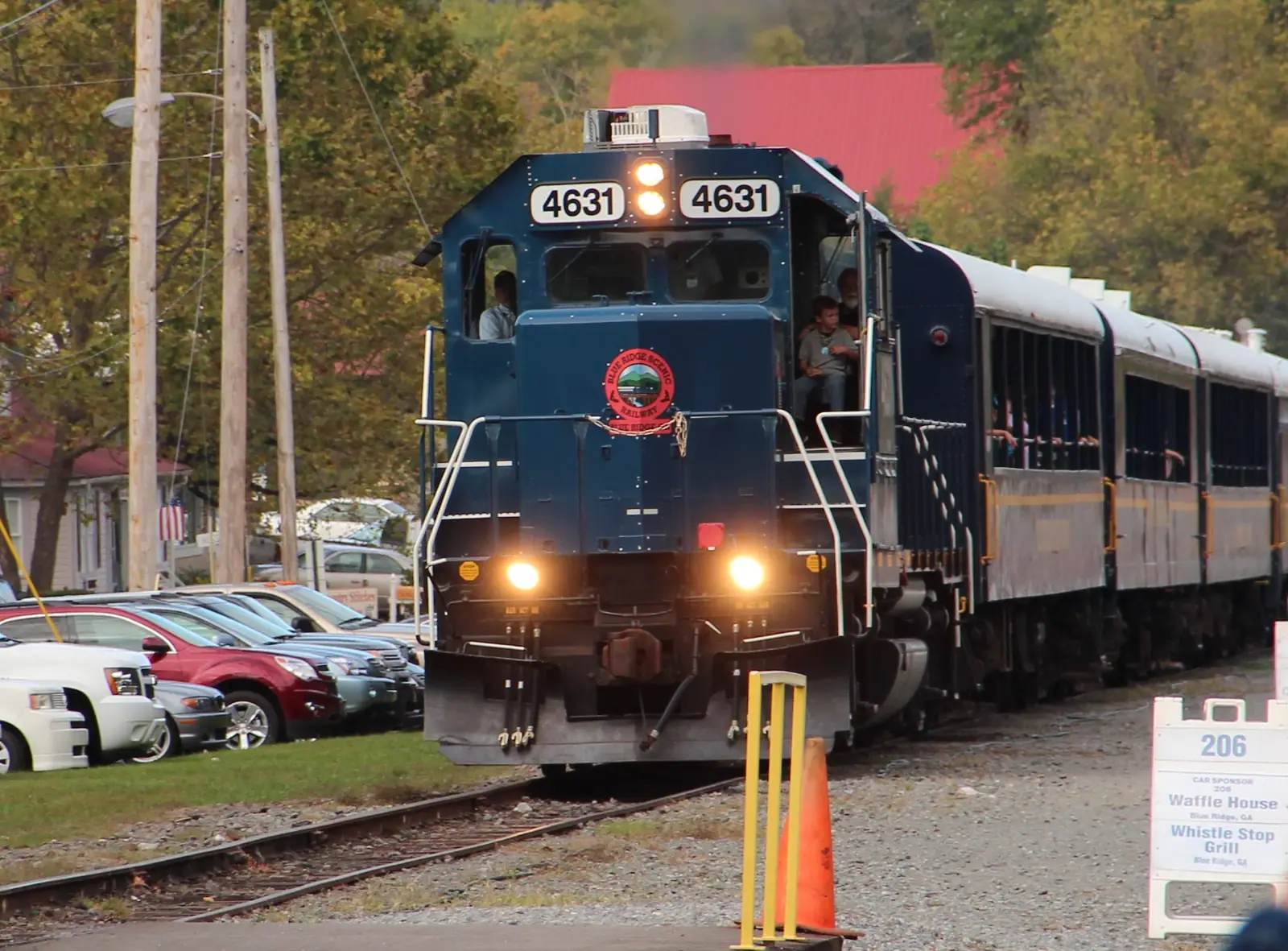
The scenic railway. The train runs in the wet and the enclosed carriages exist for exactly this. A grey day along the Toccoa with mist sitting in the river valley is arguably better looking than a blue one. Skip the open-air car.

The lake at low cloud. Not for swimming, but the shoreline at Morganton Point with cloud down on the far bank is worth the drive on its own.

The caveat is thunderstorms rather than rain. Lightning on an exposed ridge is a genuine hazard, and a summer storm here arrives faster than you can get down. Rain is fine. Thunder means turn around.

The whole indoor list, honestly

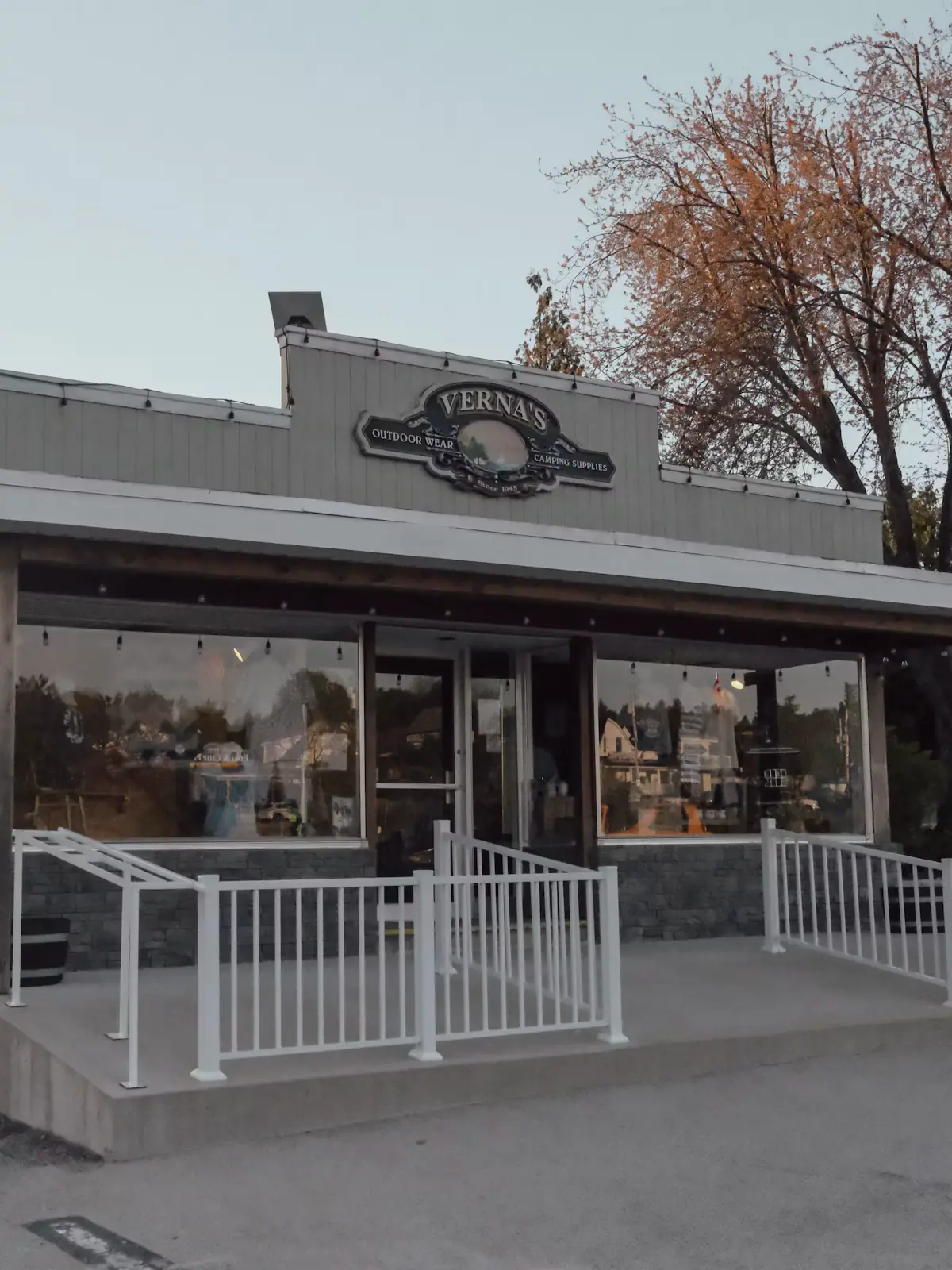
A small shopfront with large display windows and a painted sign above the doorUnsplash
A small shopfront with large display windows and a painted sign above the door

Local tips

This is not a long list and pretending otherwise would waste your afternoon.

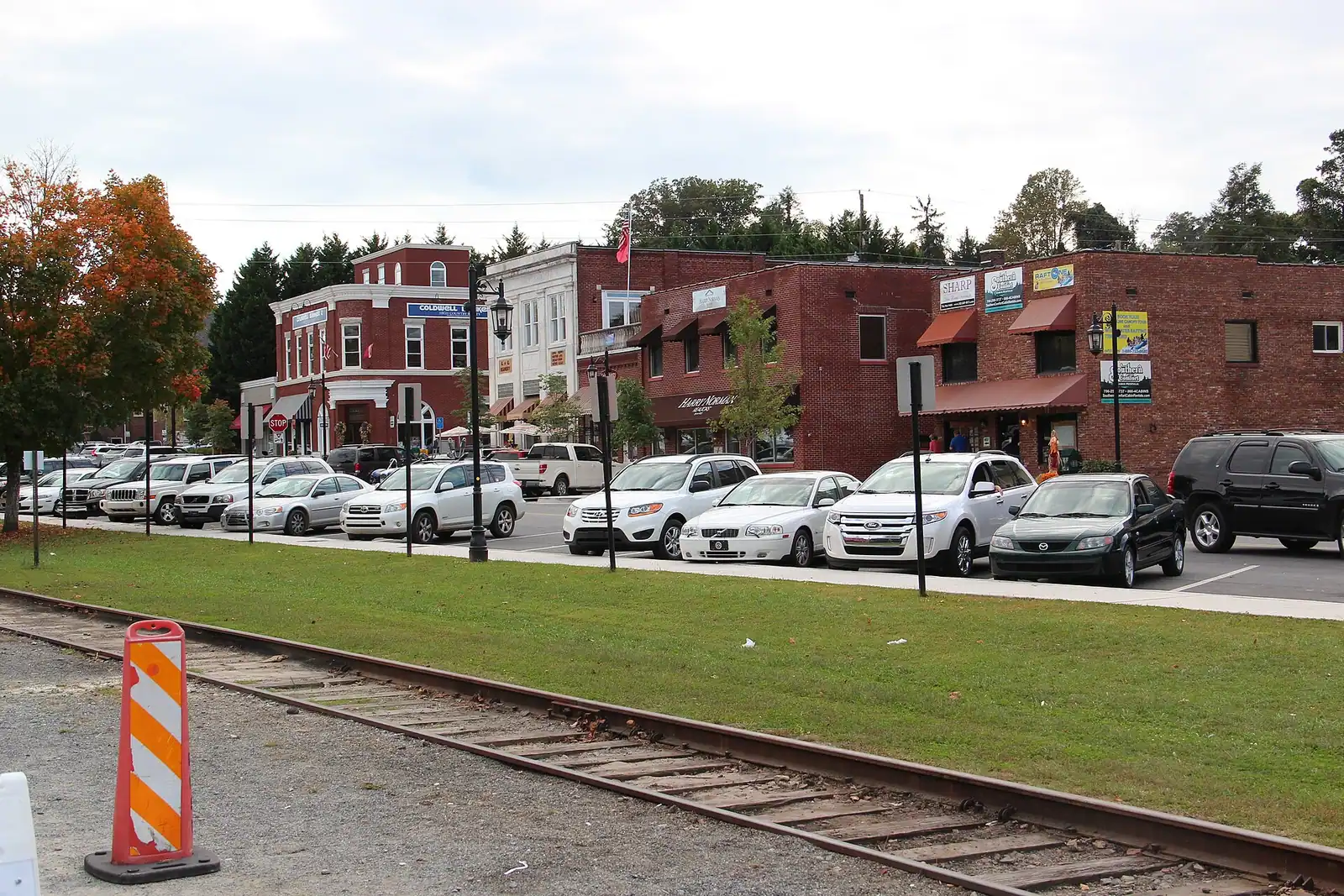
  • Downtown Blue Ridge. Two blocks of shops, galleries and places to eat either side of the depot. On a wet Saturday it is genuinely busy, which is its own kind of fun. An hour or two, more if you are a browser.
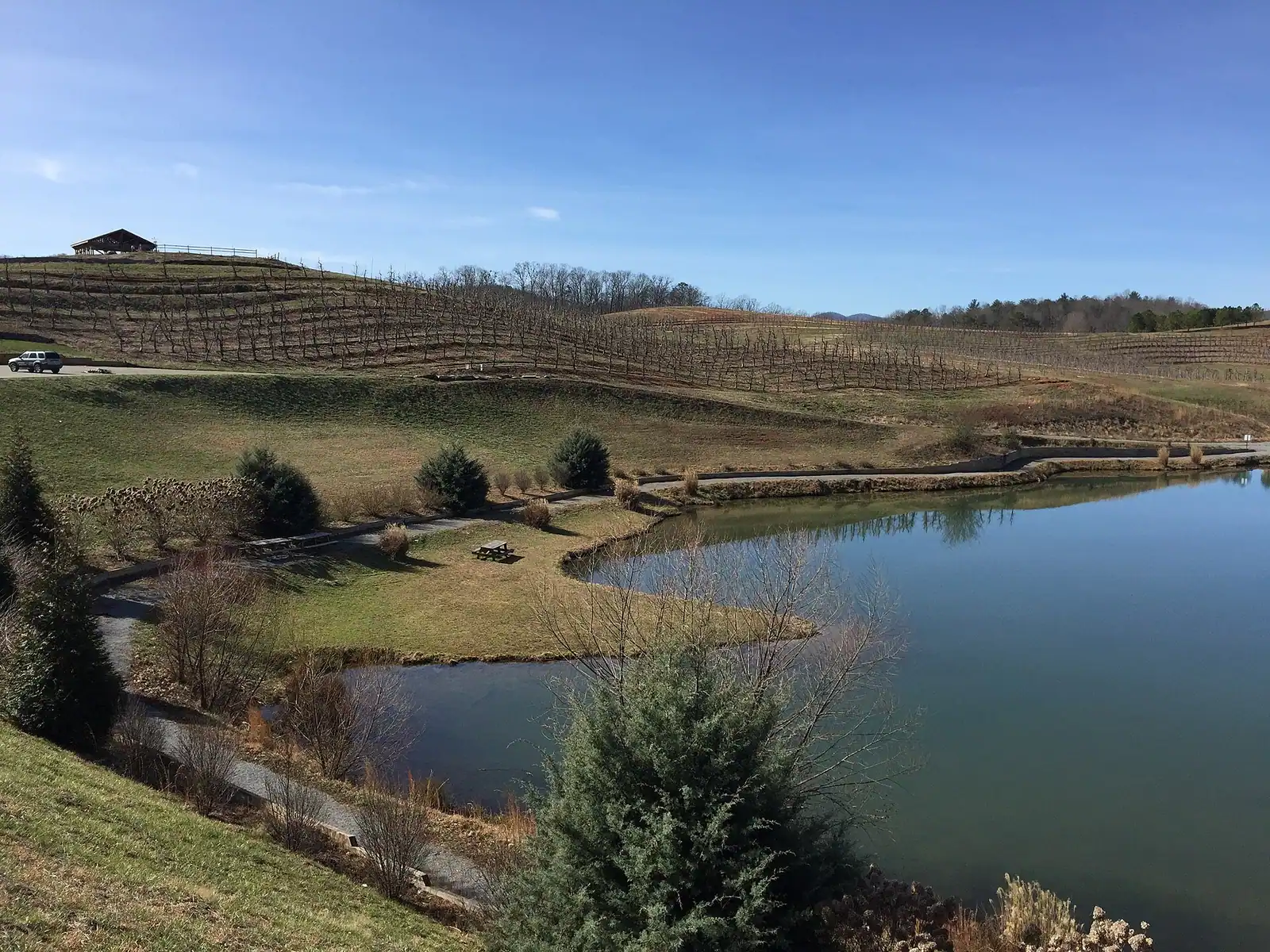
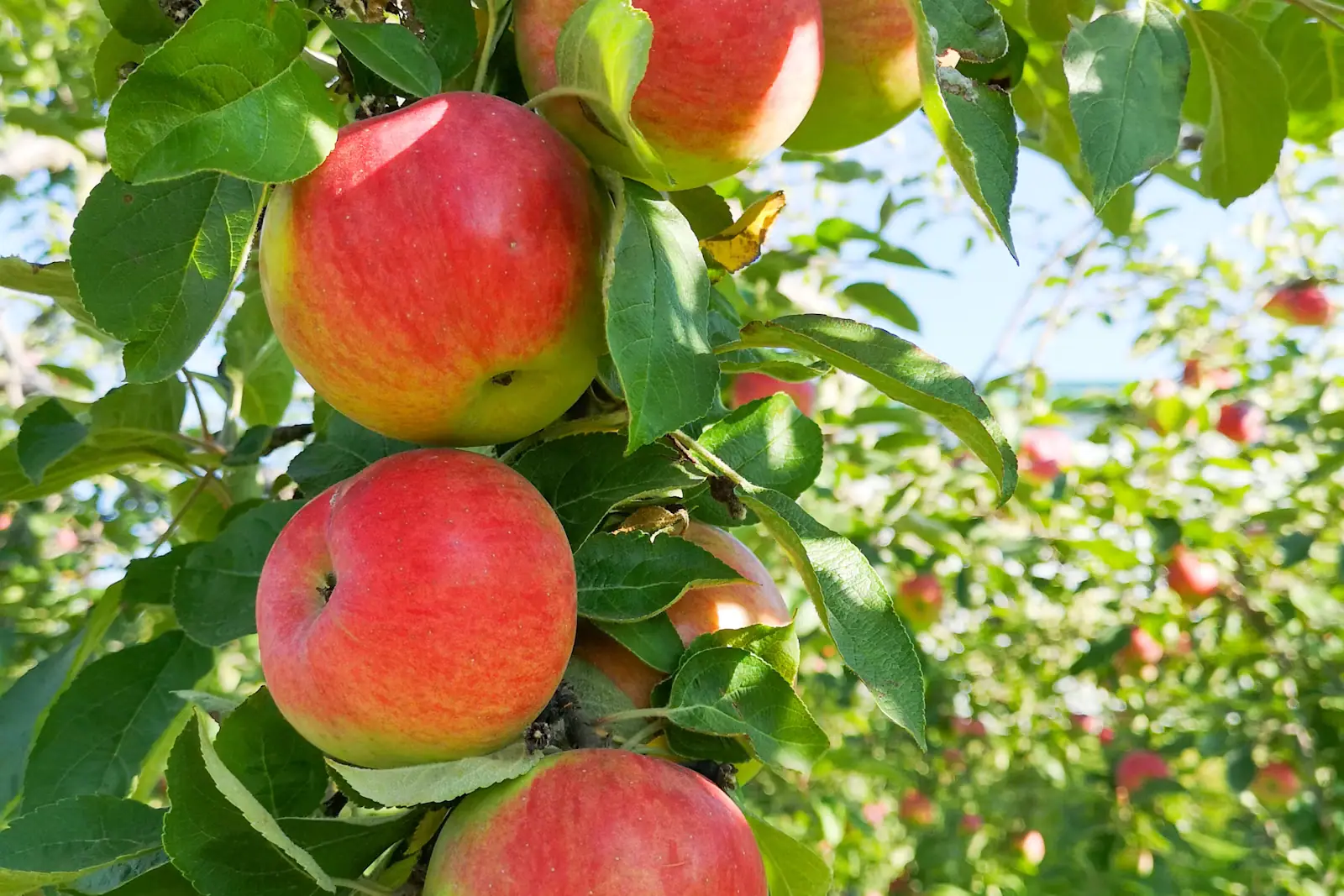
  • Mercier Orchards. The market, bakery and cider house north of town are all under cover and open when the fields are not. The farm has been here since 1943 and presses, ferments and cans its own hard cider on site. This is the best-value wet hour in the county.
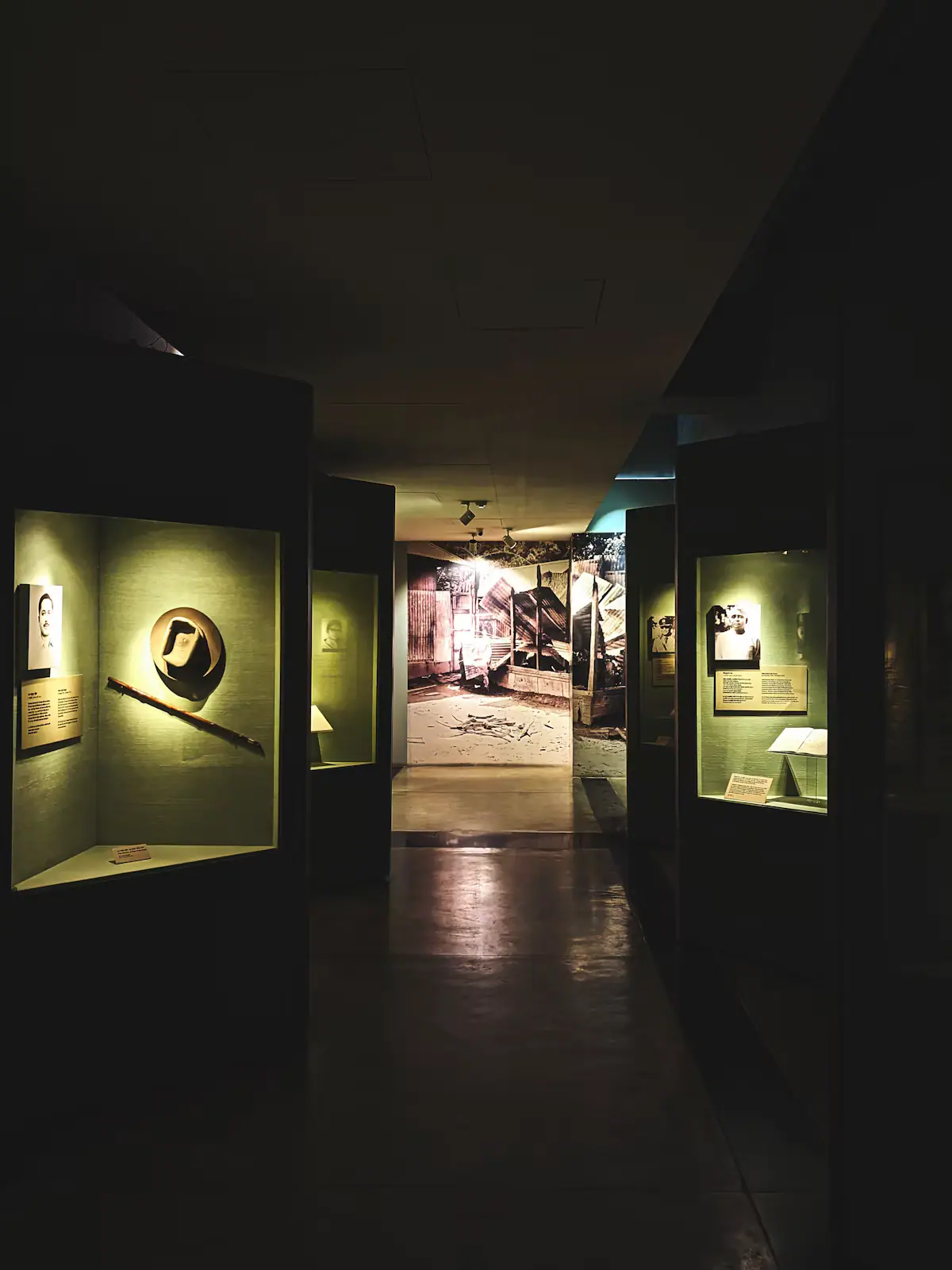
  • Expedition Bigfoot at Cherry Log, between Blue Ridge and Ellijay. A sasquatch museum that commits to the premise and is far more entertaining than it sounds. Under an hour.
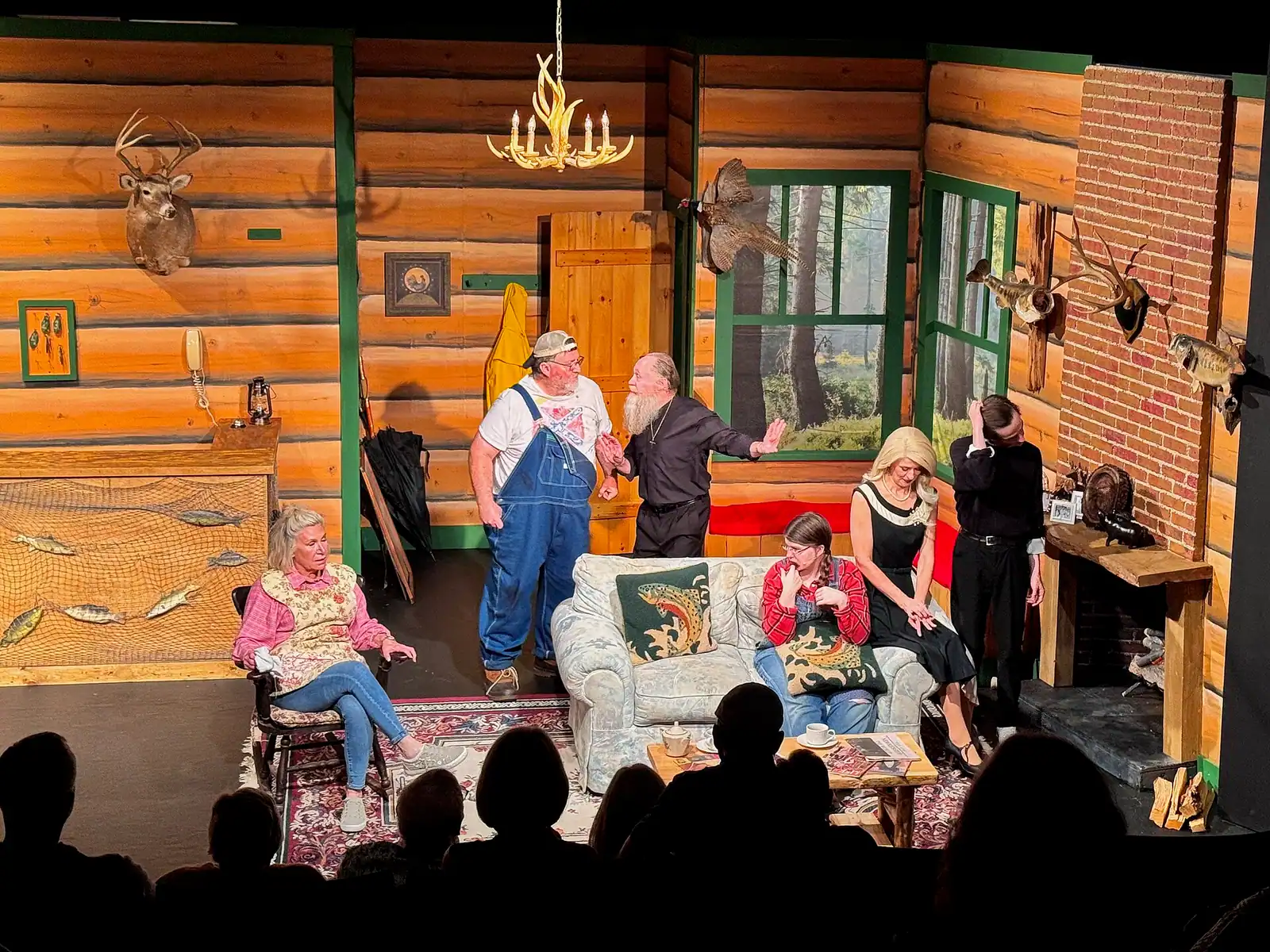
  • Blue Ridge Community Theater. A real season of plays and musicals in town, which for a county this size is a genuine asset. Check what is on; a wet evening is the right time to use it.
  • A tasting room. The county has a handful of small wineries and breweries alongside the orchard's cidery. Rural Georgia tasting rooms keep shorter and more seasonal hours than their websites suggest, so ring before you drive.
  • The Swan Drive-In. Counter-intuitively, one of the few outdoor venues that works in light rain, because you are sitting in your car. Seasonal, and heavy weather will still close it.

The cabin day, which is what you actually came for

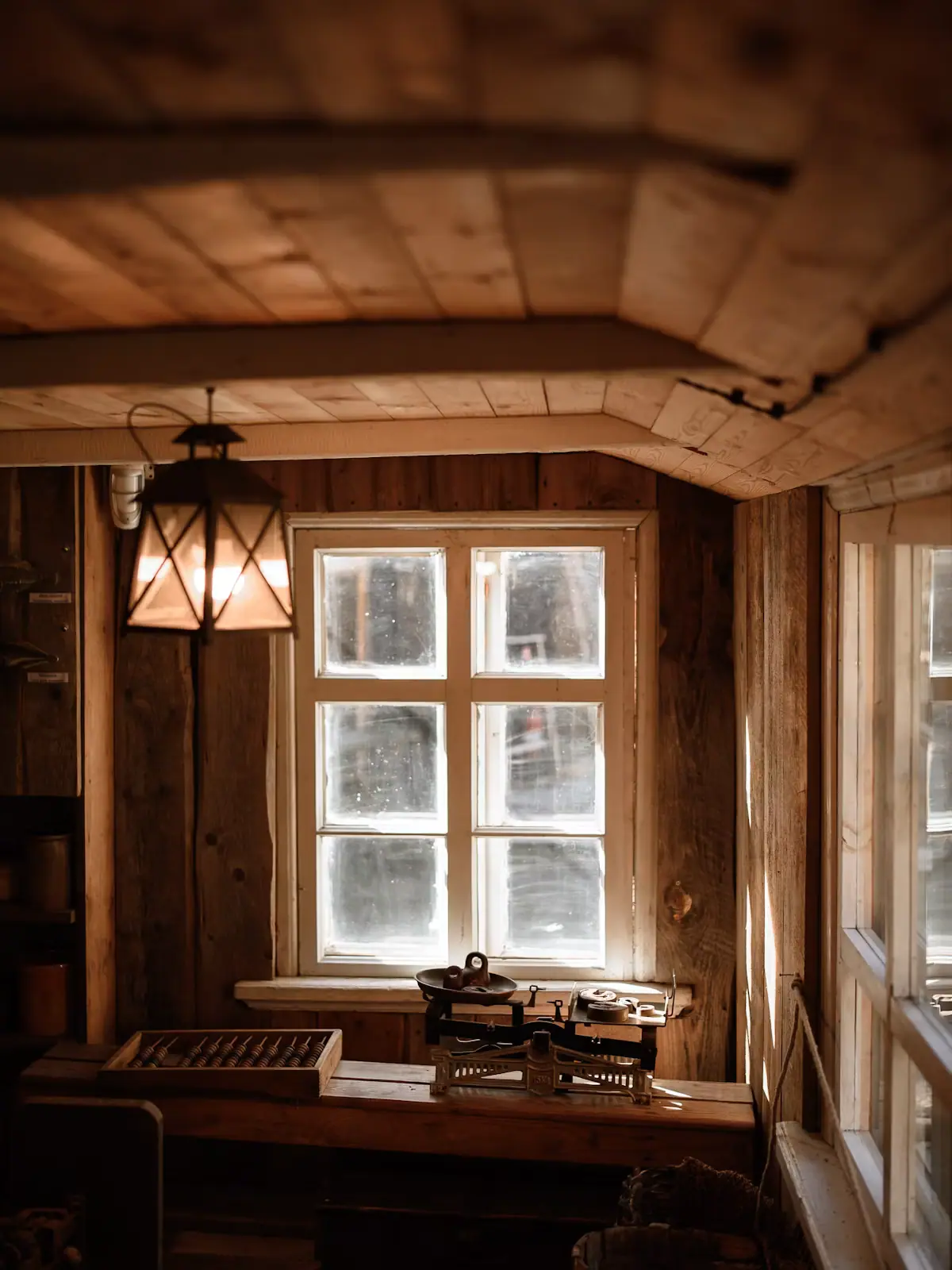
A lantern on a sill beside a window in a plain rustic timber roomUnsplash
A lantern on a sill beside a window in a plain rustic timber room

Ask anybody who rents here regularly what they do when it rains and the answer is: nothing, deliberately, and it is the best day of the trip.

Doing it well takes a small amount of forethought on the way in. Buy firewood in town rather than from a roadside honesty box, and buy more than you think you need. Shop properly, because a forty-minute round trip for milk in driving rain is a miserable errand. Download films, music and maps before you leave the tarmac, because signal across much of Fannin County is unreliable and a wet day is exactly when you discover that.

Then the day organises itself. The wood stove, which most cabins here have and which very few visitors know how to run properly: open the damper, small wood first, and do not choke it down until it is genuinely going. The hot tub, which is at its best in light rain with the outdoor lights off. Something slow on the hob. A jigsaw or a pack of cards, both of which turn up in most cabin cupboards for a reason.

And the porch. A covered deck in steady mountain rain, with the valley invisible in cloud below you, is the single most characteristic experience this county offers, and there is no ticket for it.

One practical warning. A cabin on a well has no running water when the power goes out, and power flickers in mountain storms. Fill a jug and know where the torches are before you need them.

When a wet forecast means leaving the county

Sometimes the right answer is to get in the car and go somewhere with a roof over it.

Ellijay, about thirty minutes west on mostly four-lane road, is Georgia's other apple town, with its own orchards, a small square and enough indoor browsing for a wet morning. It is also the gateway to the Cohutta Wilderness, which is not a wet-day destination but is worth knowing about.

McCaysville and Copperhill, twenty-odd minutes north, give you a couple of streets of shops, lunch, and the painted state line across the pavement, which you can photograph perfectly well under an umbrella.

Chattanooga is the serious option. It sits roughly two hours north through Copperhill, and it has the indoor attractions a small mountain county never will: a major aquarium, museums, a proper downtown. If you have a washed-out Saturday and children climbing the walls, that drive is worth making. Check conditions before you commit, because the route crosses the mountains.

What is not worth doing is driving to the Ocoee hoping to raft in the rain. Rafting runs on scheduled dam releases rather than rainfall, weather does not add water, and a storm can shut a trip down. And do not attempt the Toccoa River Swinging Bridge on a wet day: the last stretch is unpaved forest road, and a low car on greasy gravel is how a bad afternoon starts.

Flash floods, fog and ice: the weather that matters

Before you book

Flash flooding is the real hazard. Steep ground, thin soil and heavy rain mean creeks here rise fast and with no warning from the sky above you, because the water that fills them fell miles upstream. Never let children play in a creek while it is raining anywhere in the catchment, never camp on a gravel bar, and treat any low-water crossing with moving water over it as impassable. Turn around rather than drive through it.

Summer lightning. Storms build over the ridges through the afternoon, often from a clear morning. Get high walking done early and be off exposed ground by early afternoon in July and August.

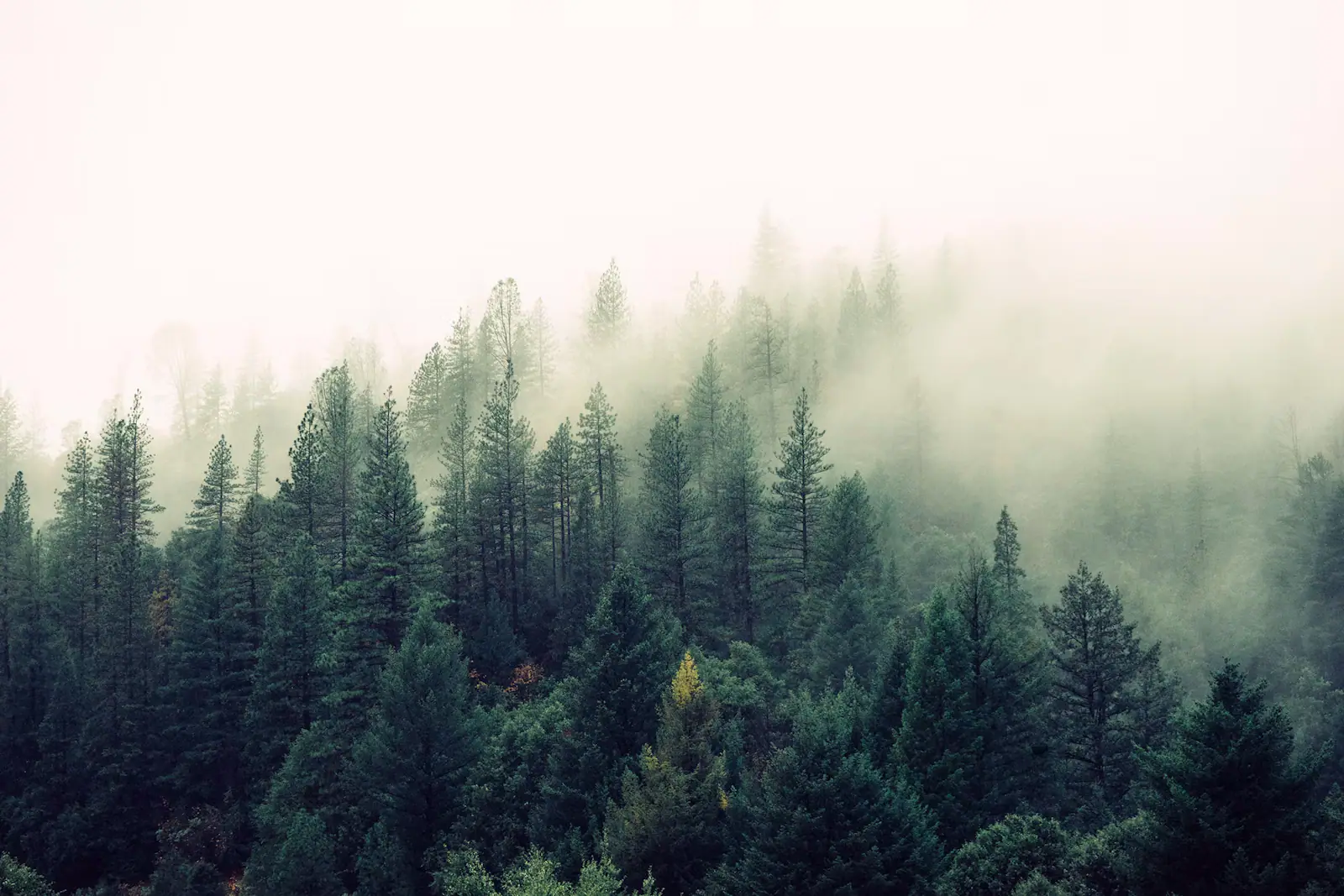
Fog. Valley fog sits until mid-morning through much of autumn and winter and it can be genuinely thick on the winding roads between cabins and town. Slow down, use dipped headlights rather than main beam, and expect deer.

Ice. Blue Ridge is high enough and far enough north to ice properly a few times each winter. The county will not be gritting a private gravel driveway, and a steep one with ice on it is not driveable in a normal car. If ice is forecast and your cabin is up a slope, park at the bottom or leave early.

Power. Storms take the lines down, and a cabin on a well has no water while the pump is off. Torches, a charged power bank and a filled jug cost nothing and solve most of it.

On the ground

Where to go

Every place below has its own page — hours, parking, what it costs and what to expect when you get there.

  • A train on the tracks running close beside dense forest
    Entertainment

    Blue Ridge Scenic Railway

    Twenty-six miles of river running to a town cut in half by a state line, in an open-sided coach with the windows down.

    2–5 hoursTicketed. Fares vary by coach class, trip length and season.

    Photograph: Thomson200

  • An apple tree carrying a heavy crop of unpicked fruit
    Entertainment

    Mercier Orchards

    Free

    A fourth-generation apple farm with a bakery, a hard cider house and, on an October Saturday, a car park like a county fair.

    1–3 hoursFree to visit the market, bakery and cider house. U-pick and tastings are charged.

    Photograph: Thomson200

  • A small-town storefront in white and red painted brick seen from the pavement
    Neighbourhood

    Downtown Blue Ridge

    Free

    Four blocks of shopfronts facing a working railway depot, small enough to walk twice and busy enough to need a parking plan in October.

    1–4 hoursFree. Street parking is free and scarce on peak weekends.

    Photograph: Thomson M

  • A drive-in cinema screen standing above an empty gravel lot with a pink sky behind it at dusk
    Entertainment

    Swan Drive-In Theatre

    Open since 1955 on a field above town: double features, sound through the car radio, and a diner that keeps the place alive.

    2.5–5 hoursPaid admission per person for a double feature. Entering for the second film only costs the same.

    Photograph: Harrison Keely

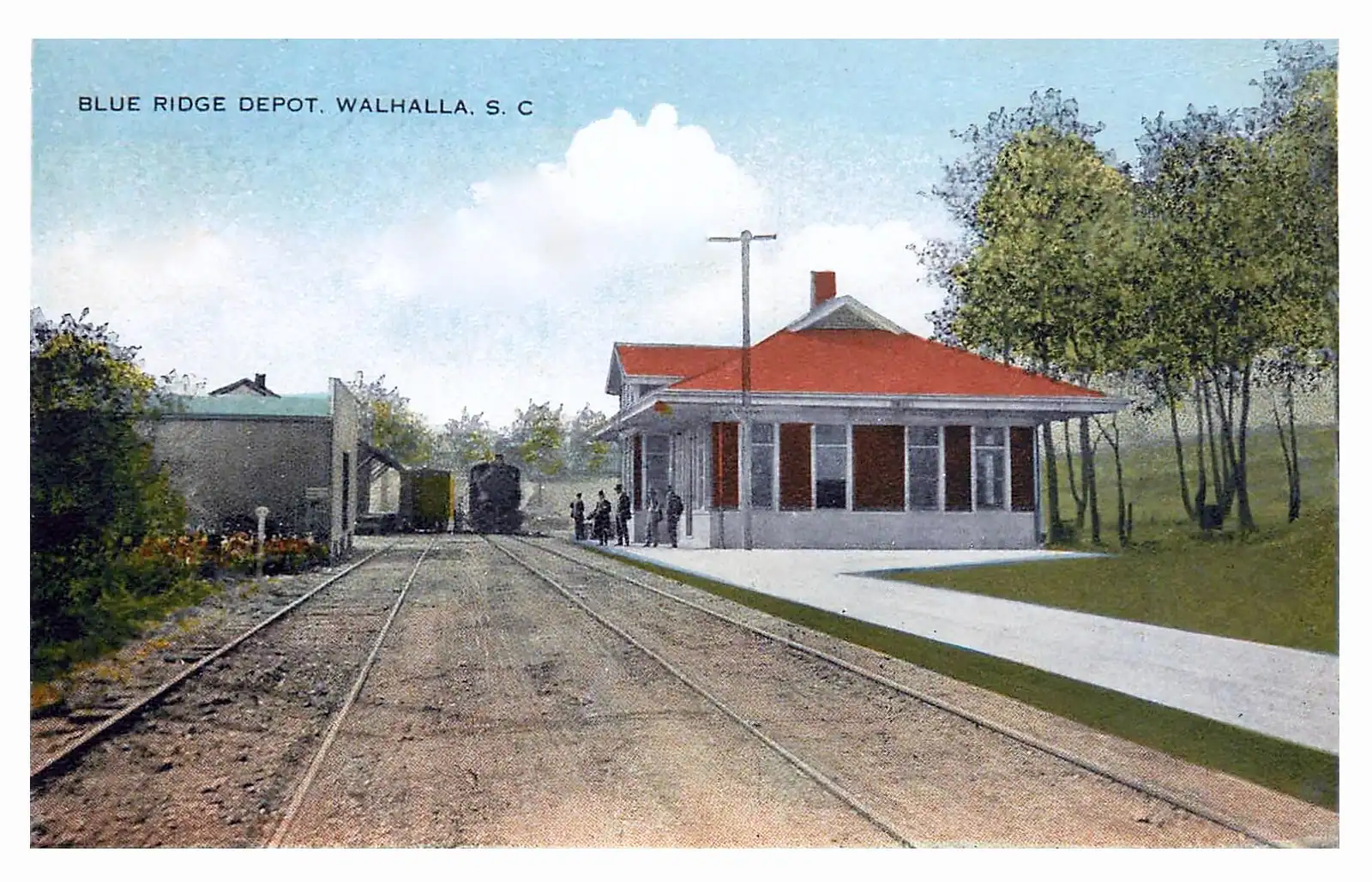
  • A railway depot with locomotives standing on the tracks below a forested hill
    Historic site

    Blue Ridge Depot

    Free

    The oldest working thing in Blue Ridge: a Register-listed railway building still selling tickets to a train that still runs.

    15–45 minutesFree to visit the building, platform side and yard. Train tickets are separate.

    Photograph: Unknown author

  • A dimly lit museum corridor with illuminated display cases set into the walls on both sides
    Museum

    Expedition: Bigfoot! The Sasquatch Museum

    Casts, field recordings and expedition kit on Highway 515: the county's most reliable hour indoors when the weather turns.

    1–1.5 hoursAround $9 adults and teens, $6 children 5-12, under 5s free.

    Photograph: Unsplash

  • Rows of red seats facing a closed red stage curtain in an empty auditorium
    Entertainment

    Blue Ridge Community Theater

    A volunteer theatre with three separate spaces, in its twenty-eighth season, five minutes from the depot.

    2–3 hoursPaid tickets by production, sold through the theatre's box office.

    Photograph: Harrison Keely

Straight answers

Questions people actually ask

What is there to do in Blue Ridge, Georgia when it rains?

Indoors, the honest list is short: the two blocks of downtown shops beside the depot, Mercier Orchards' covered market and cider house, Expedition Bigfoot at Cherry Log, a show at Blue Ridge Community Theater and a tasting room. Outdoors, the waterfalls run harder and the scenic railway's enclosed carriages are made for it. Most visitors end up at the cabin with the stove lit, which is genuinely the best option.

Does it rain a lot in Blue Ridge, Georgia?

Yes, noticeably more than Atlanta. The county averages somewhere near sixty inches of precipitation a year, because moist air pushed up against the southern Appalachians drops its water here. In summer that arrives as afternoon thunderstorms building over the ridges from a clear morning. In winter it is longer grey spells with valley fog that does not lift until mid-morning. Plan for it rather than around it.

Does the Blue Ridge Scenic Railway run in the rain?

Yes. The train has enclosed carriages as well as open-air cars, and a wet day is when the enclosed seats earn their keep. Mist sitting in the Toccoa River valley arguably makes the run more atmospheric than a clear blue day does. Book an enclosed seat rather than an open-air one if the forecast is poor, and check the operator's own policy on weather before you travel.

Are the waterfalls near Blue Ridge better after rain?

Considerably. Fall Branch Falls off Stanley Creek Road and Long Creek Falls near Three Forks both run hard a day or two after heavy weather and can be a thin trickle at the end of a dry August. The flat light under a wet canopy also photographs better than bright sun. The one thing to avoid is thunder: lightning on exposed ground is a real hazard and a mountain storm arrives faster than you can descend.

Is there a mall or cinema in Blue Ridge, Georgia?

No mall and no multiplex. Fannin County has about 25,000 residents and its visitor economy is cabins and forest rather than built attractions. What it does have is the Swan Drive-In, a working seasonal drive-in cinema, which oddly enough still functions in light rain because you watch from your car. For indoor shopping of any scale you are looking at a drive of well over an hour.

Where can you go from Blue Ridge on a washed-out day?

Ellijay is about thirty minutes west on mostly four-lane road and has orchards, a square and enough browsing for a morning. McCaysville and Copperhill are twenty-odd minutes north for lunch and the painted state line. For a proper indoor day, Chattanooga sits roughly two hours north through Copperhill with a major aquarium and museums, which is worth the drive if a whole Saturday is lost.

Is flash flooding a risk around Blue Ridge, Georgia?

It is the most serious weather hazard here. Steep ground and heavy rain mean mountain creeks rise fast and without warning from the sky above you, because the water fell miles upstream. Never let children play in a creek while it is raining in the catchment, never camp on a gravel bar, and never drive through a low-water crossing with moving water over it. Turn around instead.

What should you pack for wet weather in Blue Ridge, Georgia?

A proper waterproof rather than an umbrella, because the trails are what you will still want to do. Boots or shoes that cope with wet rock, a change of socks, and layers, since a wet mountain day is much colder than the valley forecast suggests. At the cabin, torches and a power bank matter more than people expect: storms take the power down, and a cabin on a well has no running water while it is off.