Blue Ridge Scenic Railway
Twenty-six miles of river running to a town cut in half by a state line, in an open-sided coach with the windows down.
2–5 hoursTicketed. Fares vary by coach class, trip length and season.
Photograph: Thomson200
Things to Do
Apple picking around Blue Ridge, Georgia: what is ripe when at Mercier Orchards, how bad the October crowds get, and the Gilmer County orchards next door.
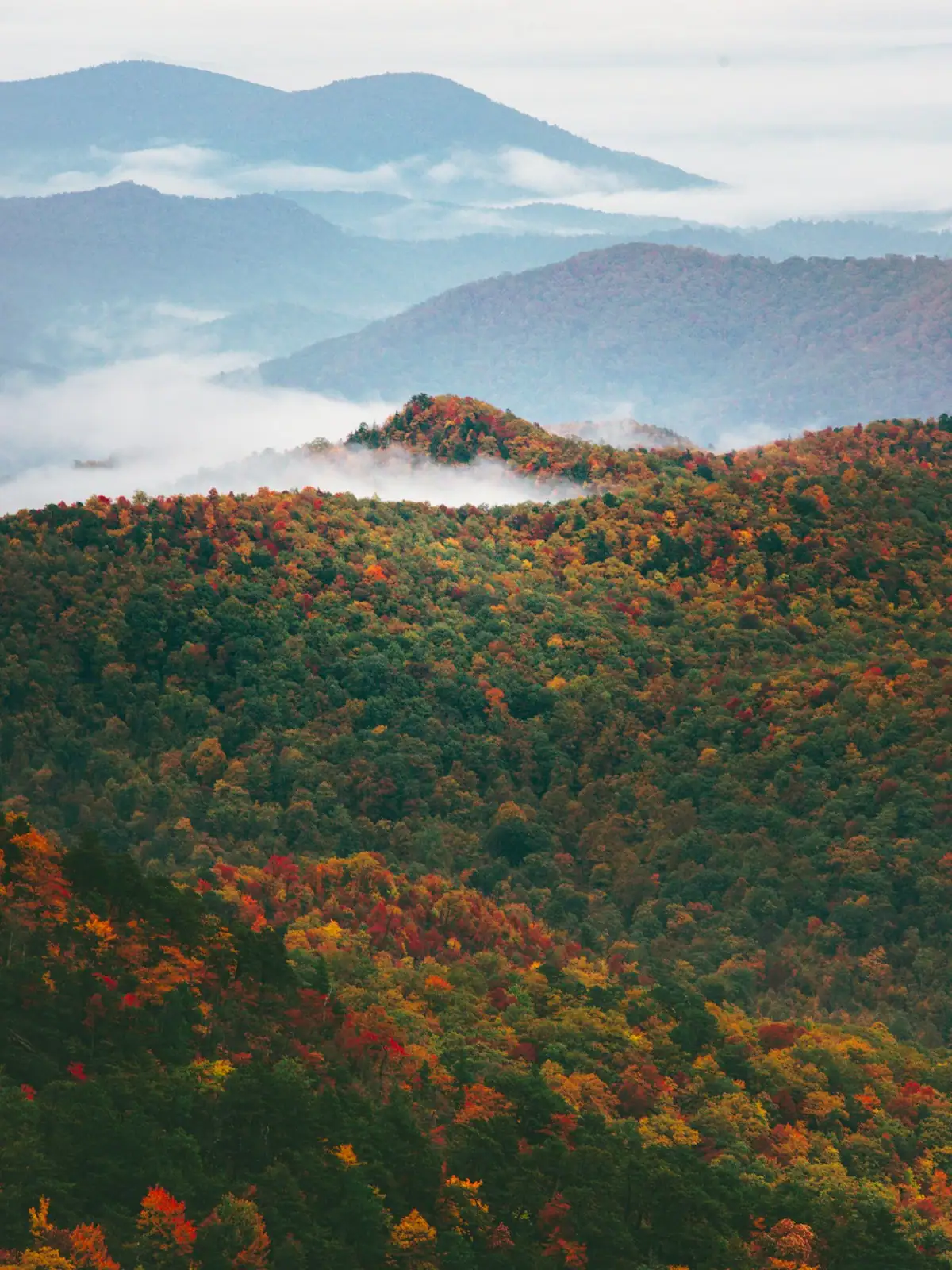
UnsplashFannin County has roughly 25,000 residents spread across 392 square miles, and about nine in ten of them live outside any town limit. That is a farming county with a visitor economy attached, not the other way round, and the clearest place to see it is the orchard on the Blue Ridge Drive north of town.
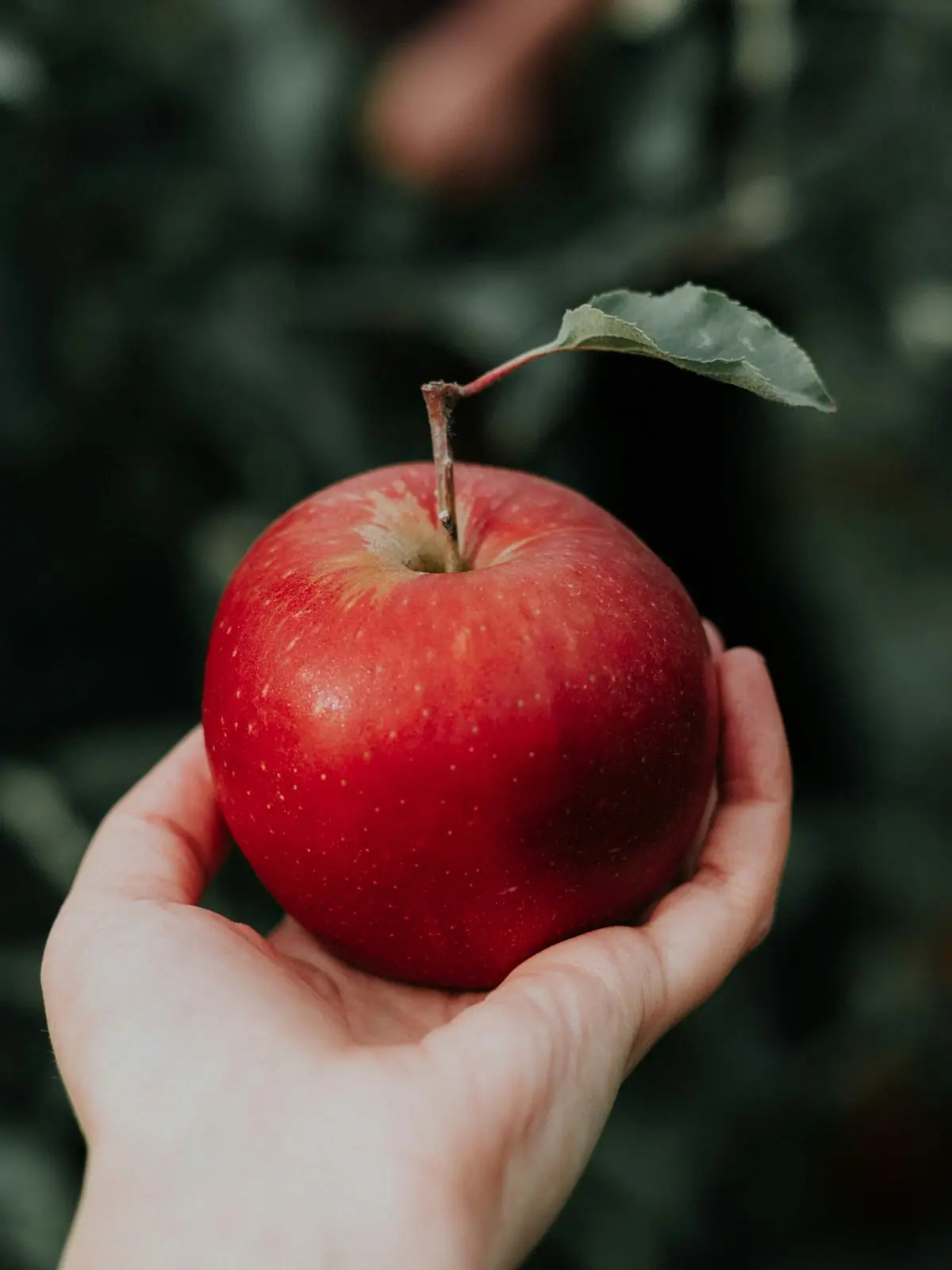
Mercier Orchards was started in 1943 by Bill and Adele Mercier and is now run by the fourth generation of the same family. It grows more than forty varieties of apple. It has a bakery, a market, a cider house, and in season it opens the rows for u-pick. On a weekday in June it is a pleasant working farm where you can buy a bag of peaches and a coffee. On a Saturday in the middle of October it is, by a comfortable margin, the busiest single address in the county, and the traffic backs up on the road outside.
Both of those are true, and which one you get is almost entirely a function of when you turn up. That is the practical argument this page is built around.
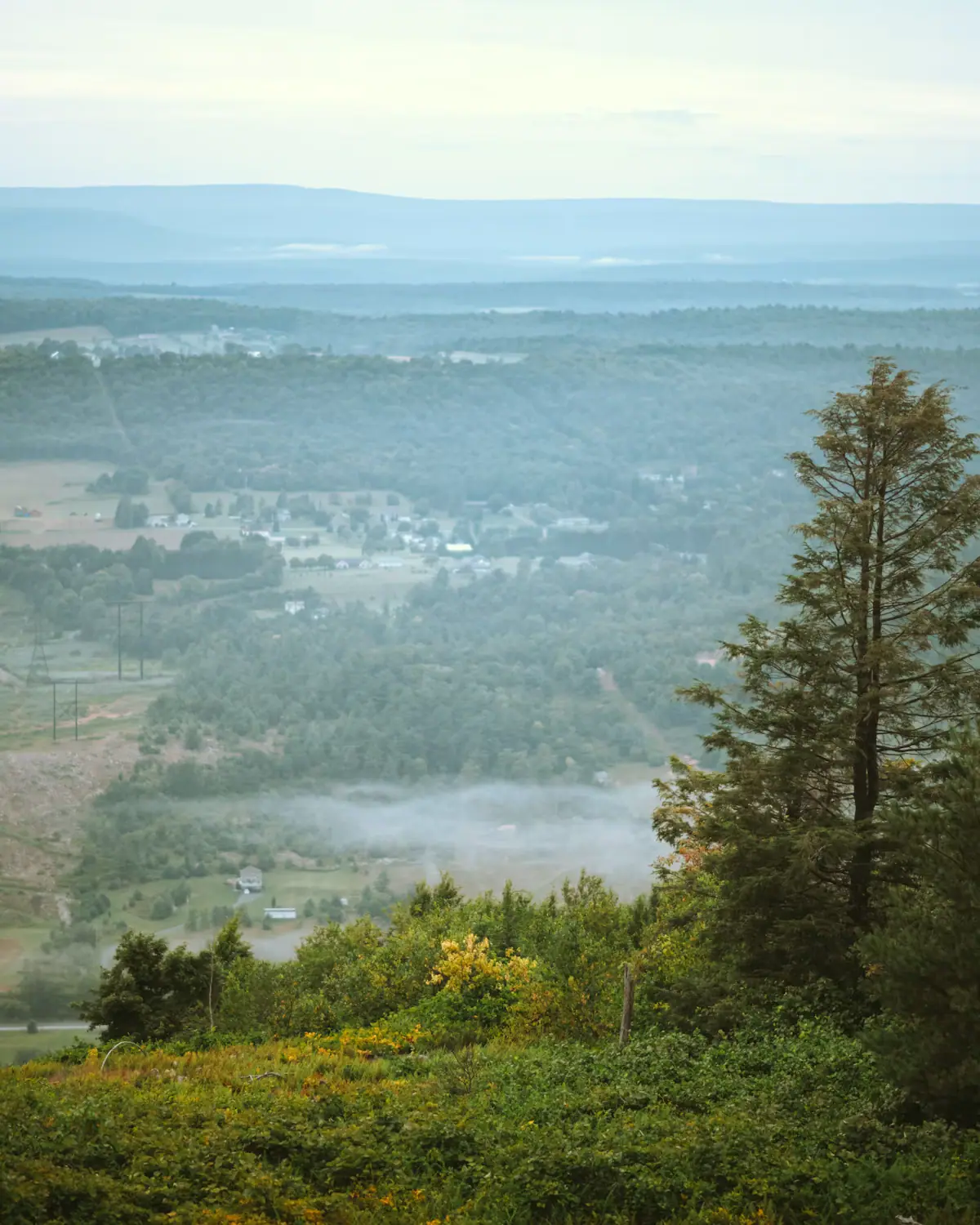
The second thing worth knowing before you plan an apple morning is that the real orchard country starts one county to the south. Gilmer County, around Ellijay, is the Apple Capital of Georgia, holds the Georgia Apple Festival every October, and has a cluster of orchards rather than one big one. It is a short drive down GA-515 from Blue Ridge. If you want rows to yourself, a smaller car park and somebody's grandmother at the till, that is where to point the car. If you want one place that does everything under one roof, stay in Fannin.
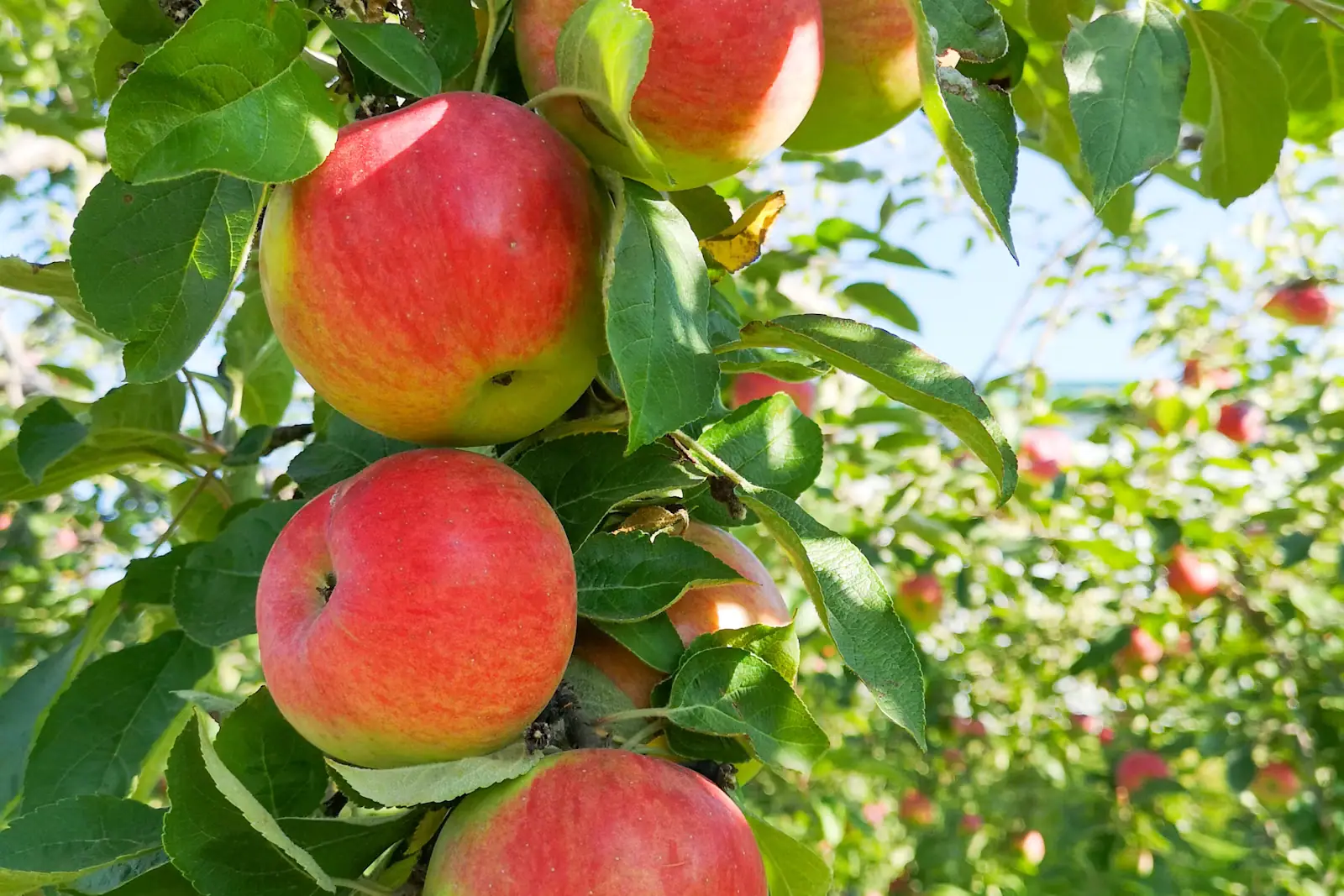
Then there is the calendar, which is the part most visitors get wrong. Apple picking is not a season that runs all autumn. It runs variety by variety, from late summer into the back half of October, and different blocks open and close through those weeks. Strawberries come and go in late spring. Blueberries and blackberries are a summer crop. Peaches sit in the middle. A late frost in April can wipe out a fruit entirely for the year, and no amount of planning changes that. The orchard posts what is actually open for picking, and that posting, not a blog and not this page, is the thing to check the week before you travel.
UnsplashWhen to go
Treat this as the shape of the year rather than a calendar. Everything below moves with the weather, sometimes by two or three weeks, and a hard spring frost can remove a crop altogether.
| Roughly | What tends to be picking | Notes |
|---|---|---|
| Late spring | Strawberries | Short, popular, and the first u-pick of the year. Weekends go quickly |
| Early summer | Blueberries | Easiest picking of the whole year with small children: low bushes, no ladders, no bruising |
| Mid summer | Blackberries, peaches | Blackberries have thorns on many varieties. Long sleeves are not a silly suggestion |
| Late summer onward | Early apple varieties | Quieter than October, and the first apples off the tree are a different thing from a supermarket apple |
| Late September to late October | Main apple season | Peak picking and peak crowds in the same six weeks |
| November onward | Market and bakery only | The rows close, the shop does not |
With more than forty apple varieties on the property, "apple picking" is not one event. Blocks open as they ripen and close when they are stripped, which is why the orchard's own posted list matters more than the month on your calendar. Turning up in the second week of October and finding your favourite variety already finished is normal, not bad luck.
A good proportion of the people in that car park are not there to pick anything. They are there for the counter.
The bakery is the reason. Apple cider donuts come out through the day and are best eaten within about four minutes of buying them, standing outside, which is exactly what everybody does. The fried pies are the other thing the place is known for, and they travel better than the donuts if you are taking something back to a cabin.
The cider house is the part most visitors do not expect. Mercier makes hard cider from its own fruit and states that it is the only apple orchard in Georgia that grows, presses, ferments and cans its own, with a tasting room on site. Whether or not that claim is worth a detour on its own, it does mean the thing in the can came off trees you can see from the car park, which is not true of most cider sold in the state.
Two practical notes. If you are buying cider to take home and you are flying, it goes in checked luggage. And if you want the bakery without the orchard experience at all, the market side is open through the winter after the picking rows have closed, which makes it a genuinely useful stop in February when very little else in the county is.
Local tips
Apples get the attention, but a county where most people live outside a town limit has more going on than fruit.
Cattle are the constant. Drive Aska Road, the lanes out towards Morganton or anything north of Mineral Bluff and you are passing small pastures with a dozen head in them, wedged between wooded slopes. Those pastures are why the valley floors look open at all in a county that is otherwise forest.
Christmas trees are the other visible crop up here, and the north Georgia mountains have the elevation and the cool nights that Fraser and white pine want. From late November a scatter of choose-and-cut places open up on the back roads for a few weeks, which is a genuinely good reason to be in Fannin County in a month when almost nobody is.
Then there are the roadside stands, which are the least documented and most rewarding thing in this category. Boiled peanuts, sorghum, honey, jam, sometimes a cooler of eggs and an honesty box. They appear and disappear with the season and with whoever felt like setting up that week, so there is no list to consult. Carry cash. Nothing about a folding table beside a mountain road takes a card, and you will want the sorghum.
Before you book
Autumn in Fannin County concentrates an enormous number of visitors into about six weeks, and a large share of them go to the same orchard on the same two days of the week.
What that looks like on the ground: a full car park with people circling it, a queue on the road outside, a long wait at the bakery counter, and picking blocks that have already been worked over by the time an afternoon arrival reaches them. None of this is the orchard's fault. It is one farm shop absorbing a regional autumn.
The fixes are simple and they work.
Go on a weekday. A Tuesday in October is a different place from a Saturday in October. If your trip includes any weekday at all, spend it here.
If it has to be a weekend, be there when the doors open. Not mid-morning. The difference between arriving at opening and arriving at eleven is the difference between parking and not parking.
Or go at the end of the day. The last ninety minutes are calmer than the middle, the light is better, and the queue for donuts has gone.
Do not stack it with the train. A four-hour railway trip and an October orchard visit in the same day means doing at least one of them badly, and probably both.
How they compare
Fannin County has the famous orchard. Gilmer County, immediately south, has the apples.
Ellijay is the Gilmer county seat, sits at about 1,280 feet where the Ellijay and Cartecay rivers join to form the Coosawattee, and it is the Apple Capital of Georgia. Around it is a cluster of family orchards along the highways and back roads, most of them considerably smaller than Mercier, several of them with their own bakeries and fried-pie counters, and collectively they carry a good deal of the traffic that would otherwise be in one car park in Blue Ridge.
The Georgia Apple Festival runs in Ellijay every October and is the single busiest weekend in the region. If your Blue Ridge weekend happens to fall on it, either commit to it and go early, or stay well away from the GA-515 corridor that day and do something on the water instead.
The choice between the two counties is genuinely a choice, not a ranking. One large operation with everything on one site, a working cider house and forty-plus apple varieties, or a morning driving between three small orchards with a bag on the back seat and nobody queueing behind you. Visitors who have only one orchard morning in them usually want the first. Visitors on their third trip to Blue Ridge almost always end up preferring the second.
On the ground
Every place below has its own page — hours, parking, what it costs and what to expect when you get there.

Twenty-six miles of river running to a town cut in half by a state line, in an open-sided coach with the windows down.
2–5 hoursTicketed. Fares vary by coach class, trip length and season.
Photograph: Thomson200

A fourth-generation apple farm with a bakery, a hard cider house and, on an October Saturday, a car park like a county fair.
1–3 hoursFree to visit the market, bakery and cider house. U-pick and tastings are charged.
Photograph: Thomson200

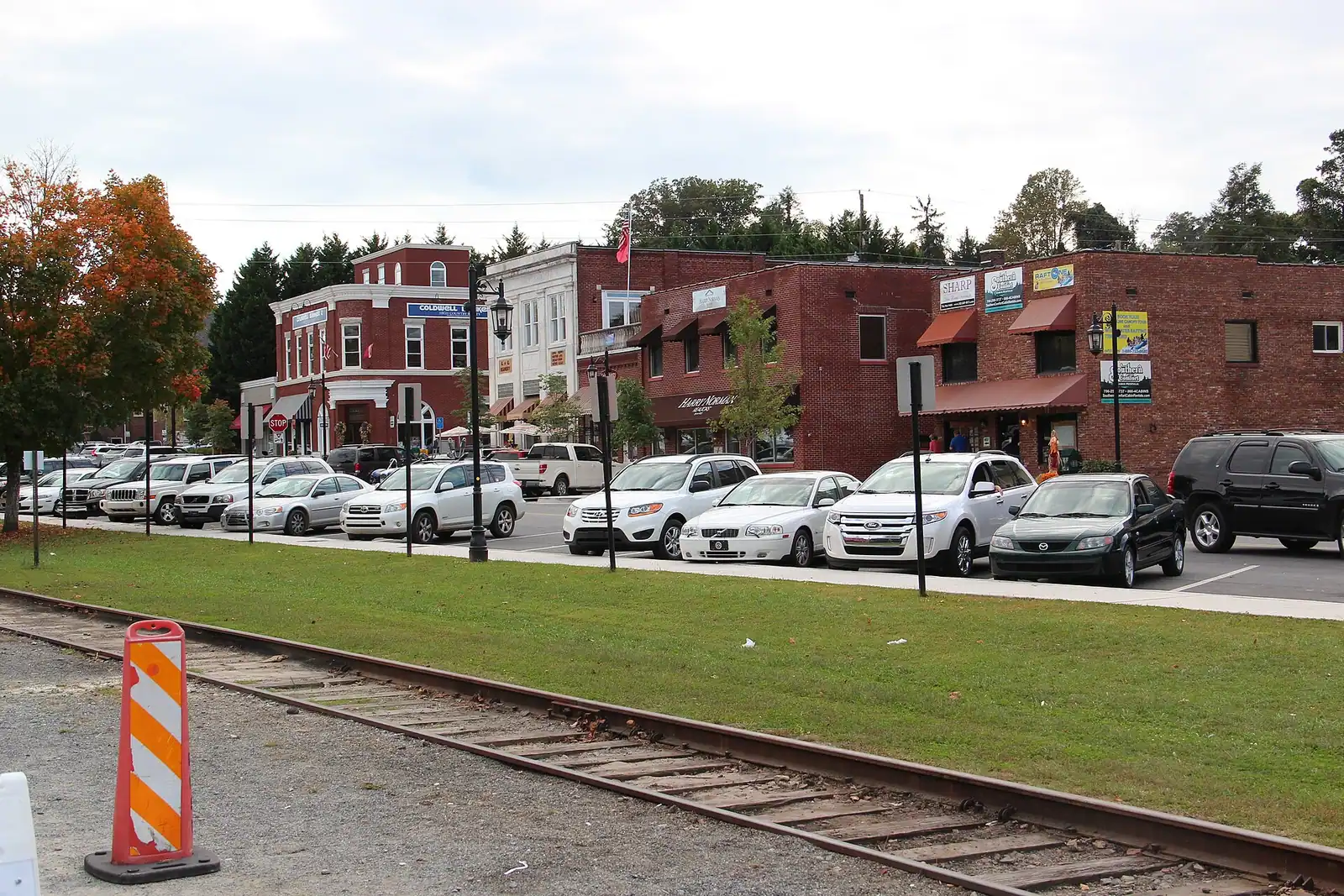
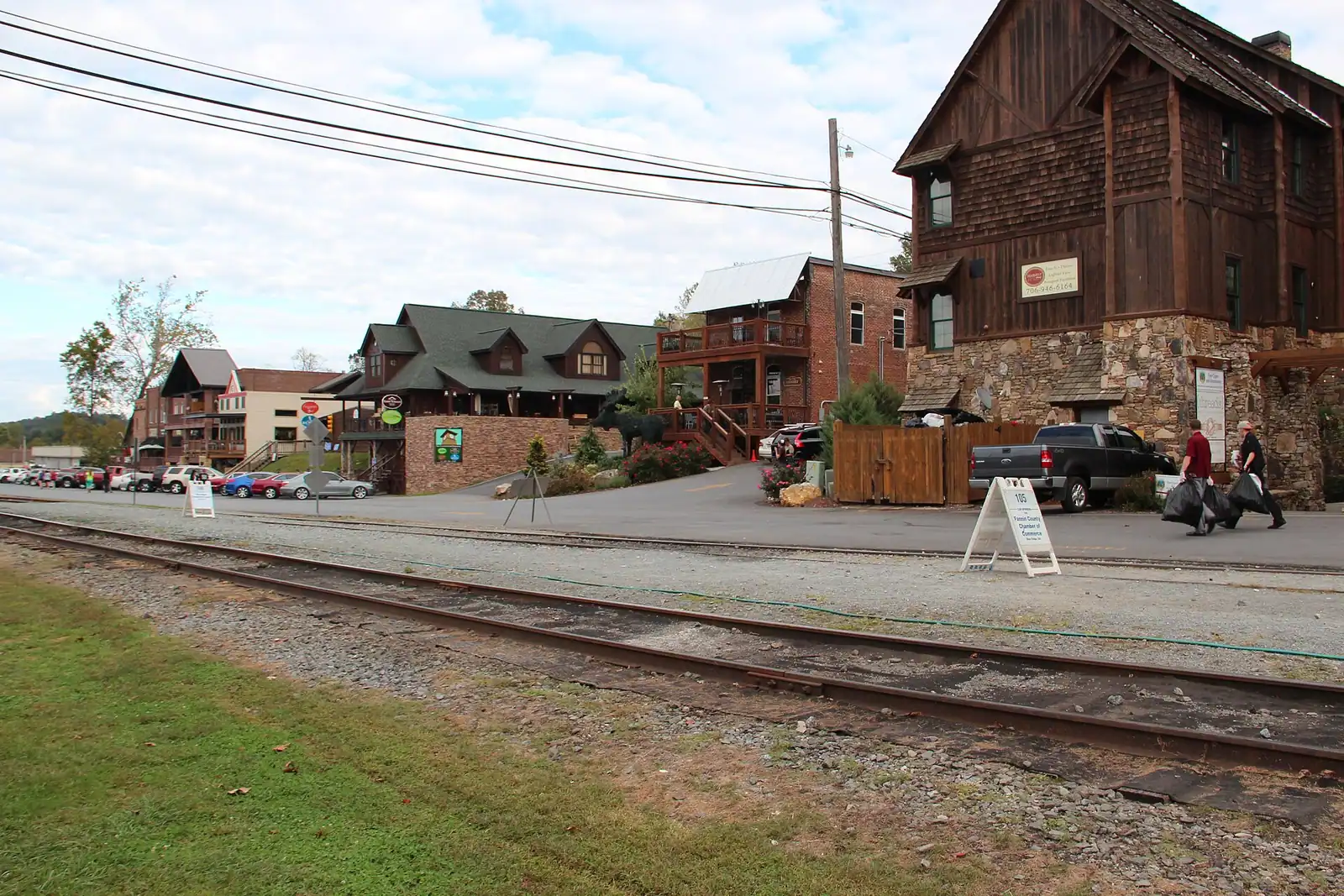
Four blocks of shopfronts facing a working railway depot, small enough to walk twice and busy enough to need a parking plan in October.
1–4 hoursFree. Street parking is free and scarce on peak weekends.
Photograph: Thomson M

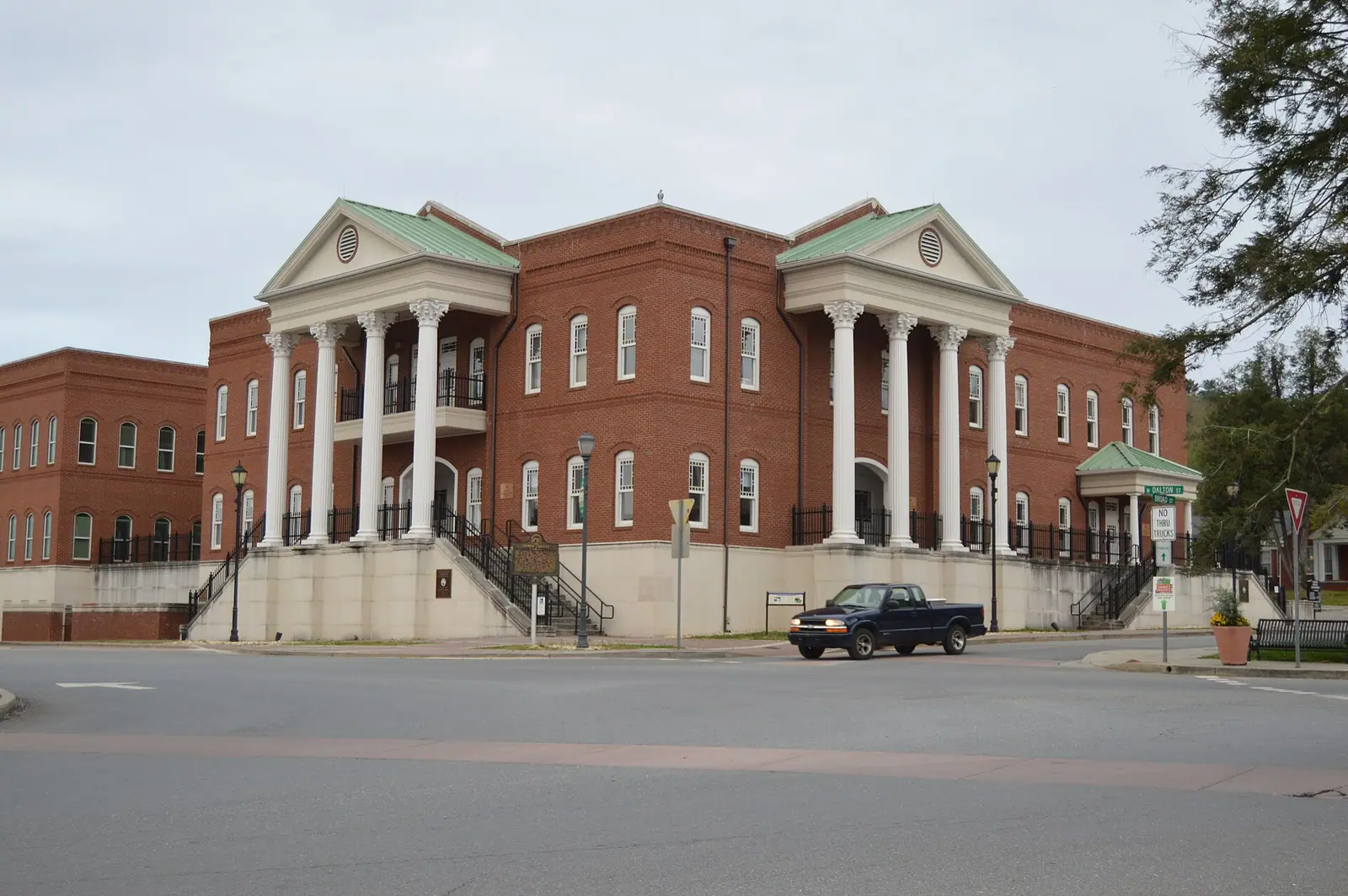
The Apple Capital of Georgia: a courthouse square, two rivers meeting, and orchards that turn the whole county into a queue in October.
2.5–6 hoursFree to visit. Orchards charge for fruit and for u-pick by weight.
Photograph: Nyttend

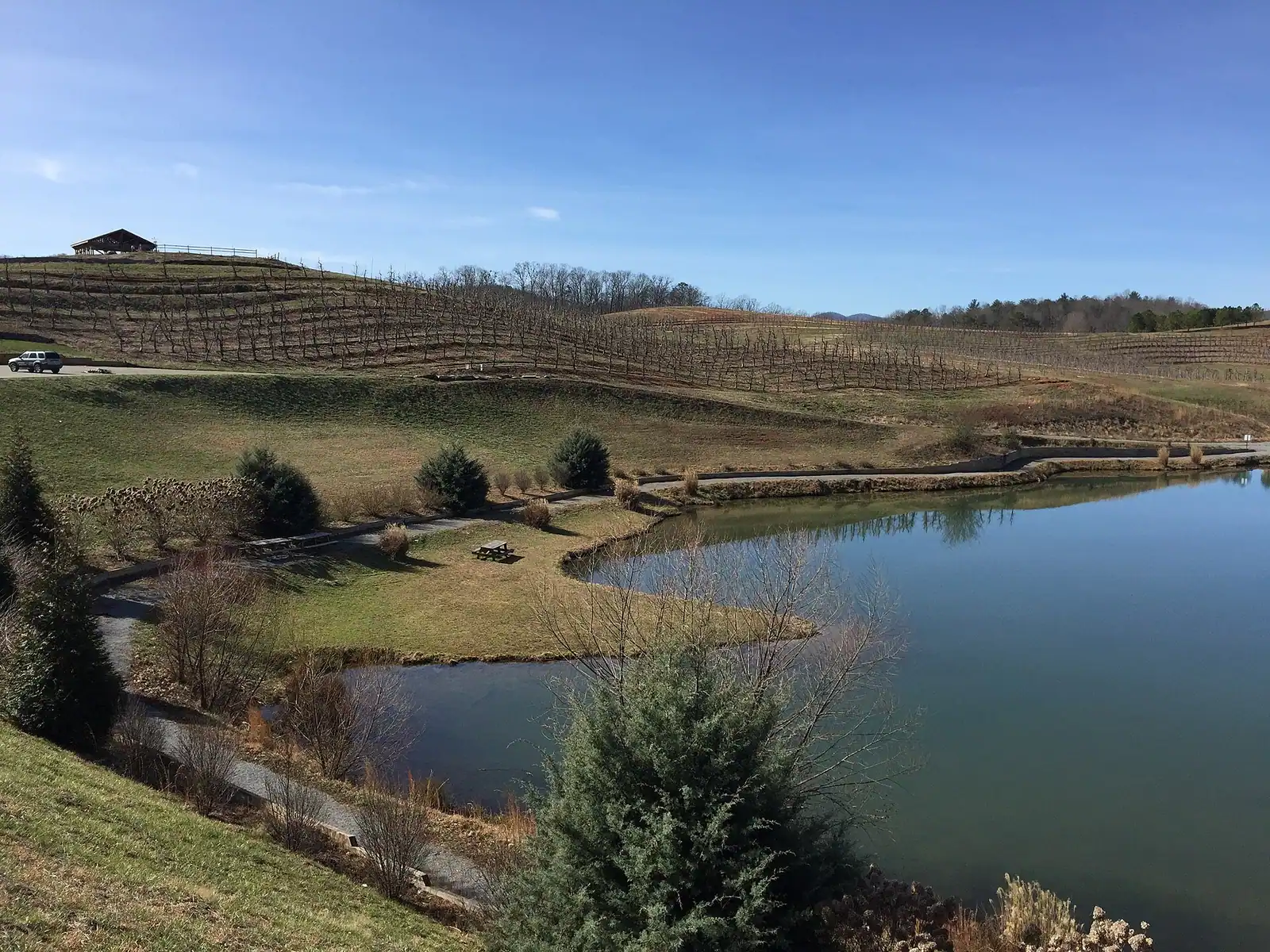
Small-batch wine and mead from the ridges above Blue Ridge, in a county that is a long way from Georgia's established wine country.
1–2 hoursTastings charged per flight; bottles sold at the door.
Photograph: Thomson M
Straight answers
Broadly from late summer into the back half of October, with the main run of varieties through late September and October. It is not one continuous season: blocks open as each variety ripens and close once they are picked over, so the week you visit decides what you can pick. Dates shift by two or three weeks year to year with the weather, and a spring frost can remove a crop entirely. Check the orchard's posted list before travelling.
Very. On an October Saturday it is the busiest address in Fannin County, with a full car park, queueing traffic on the road outside and a long wait at the bakery counter. A weekday visit in the same month is a completely different experience. If you can only come at the weekend, arrive when it opens rather than mid-morning, or come for the last ninety minutes of the day.
Strawberries in late spring, blueberries in early summer, blackberries and peaches through midsummer, plus flowers and vegetables at some points in the year. Blueberries are much the easiest crop to pick with small children, because the fruit is at their height, there are no ladders and nothing bruises. Availability is decided week by week by what is actually ripe, so treat the fruit calendar as a shape rather than a schedule.
You can walk into the market and the bakery without paying anything, and that is what most visitors actually do. U-pick works on the usual basis that you pay for what you pick, and some seasonal extras such as wagon rides are charged separately. Prices and what is included change through the year, so verify current pricing with the orchard before you go rather than relying on anything written online.
Yes, and the best cluster is one county south. Gilmer County, around Ellijay, is the Apple Capital of Georgia and has a scatter of smaller family orchards along the highways and back roads, most with their own bakeries. It is a short drive down GA-515. Go there if you want quieter rows and a smaller car park. The Georgia Apple Festival in Ellijay every October is the exception: that weekend is the busiest of the regional year.
Closed shoes you do not mind ruining, because the ground is red clay and it holds mud for days after rain. Long sleeves if you are picking blackberries, since many varieties have thorns. Sun cover regardless of the month: the rows are open ground with no shade at all, and late September here is still summer weather by most standards. A hat beats sunglasses for a morning spent looking up into branches.
Yes. The orchard has a cider house and a tasting room on site and states that it is the only apple orchard in Georgia to grow, press, ferment and can its own hard cider. Cans travel well, which makes them an easier souvenir than a bag of fruit in August. If you are flying home, it goes in checked luggage. Availability of individual batches varies, so do not build the trip around one specific bottling.