Mercier Orchards sits about five minutes north of Blue Ridge on GA-5, at 8660 Blue Ridge Drive, and it has been in the same family since 1943. It is now fourth-generation, family-owned and veteran-operated, grows over forty varieties of apple, and is the largest single visitor draw in Fannin County outside the scenic railway.
It is also, on an October Saturday, the busiest place in the county. Both of those facts need to shape your visit.
U-pick is a crop, not an opening time
This is the misunderstanding that ruins visits. The fields are not a facility that is open from nine to five. They are a farm, and a row is available when the fruit on it is ready and closed when it has been picked over. Which crop you get depends entirely on the week you arrive.
| Crop | Typical window | What to know |
|---|---|---|
| Strawberries | Late spring, roughly late April into early June | Short and weather-dependent. A warm March can bring it forward by a fortnight |
| Blueberries | Early to mid summer | The easiest picking of the year with small children. No thorns, low bushes |
| Blackberries | Mid summer | Thorny. Long sleeves are not optional |
| Peaches | High summer | Ripe fruit bruises in the bag. Take a box, not a carrier |
| Apples | Late summer through autumn, into early November | The long season, and the one people plan around. Varieties change week to week |
| Flowers | Through the summer | Cutting rows. Good with children who have lost interest in fruit |
Those are typical ranges, not promises. Every one of them moves with the season by a week or more in either direction, and the only reliable source is the orchard's own picking report in the days before you drive up. Do not book a trip around a crop without checking first.
Apples: which and when
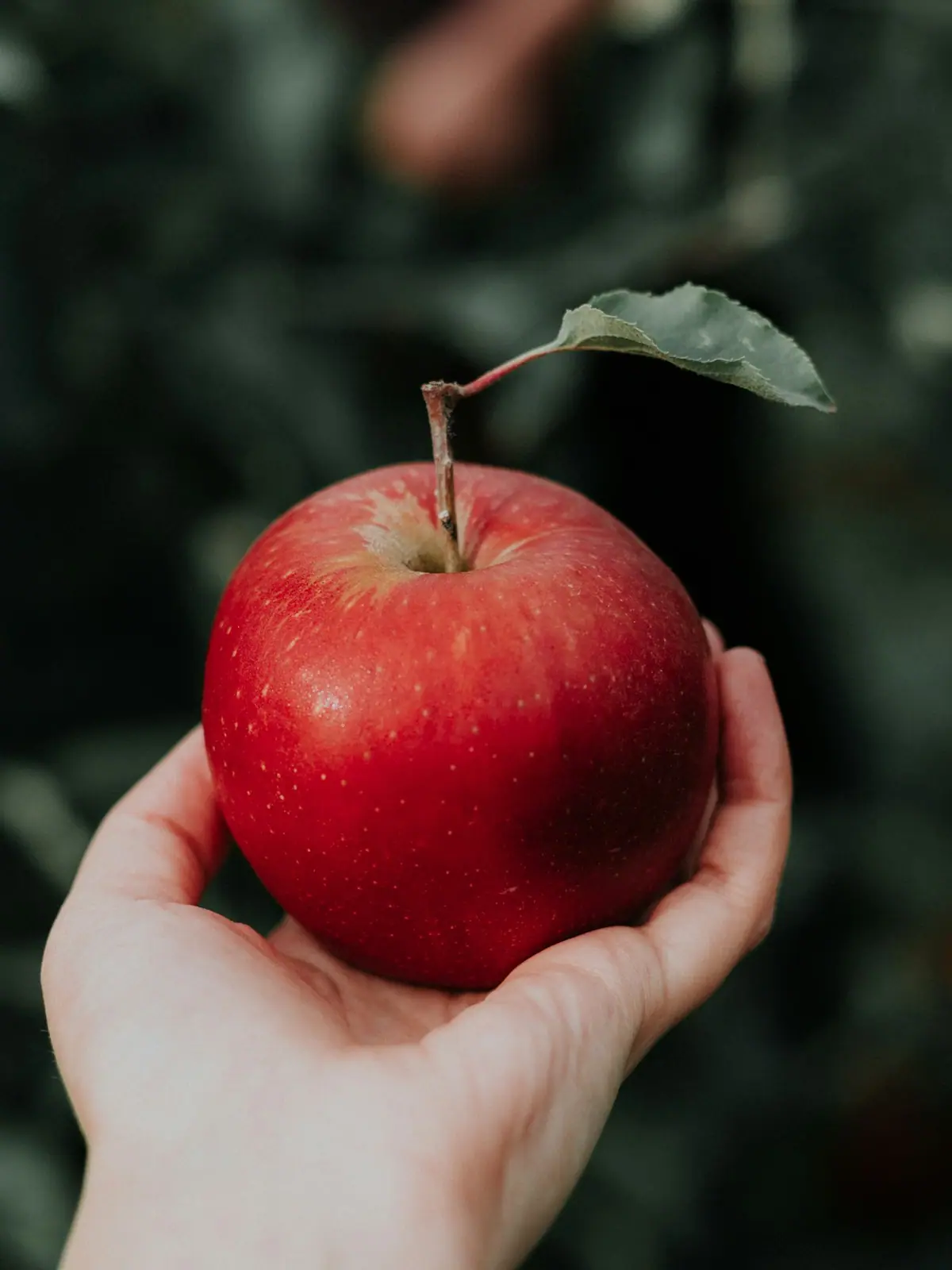
Apple picking here runs from the early varieties in late summer through to the late keepers in the second half of autumn, and the field open on the day you arrive is whichever is ripe. North Georgia orchards generally start with early Galas, move through the mid-season varieties most people recognise, and finish with the southern late keepers that store through winter.
Two practical points. The eating apple and the cooking apple are not the same fruit, and if you want a pie, ask at the barn which of the ripe varieties holds its shape. And a picked apple keeps far better than most people expect if you get it cold quickly, which is an argument for a cool box in the car rather than a bag on a warm back seat.
The bakery and the cider house
If you pick nothing at all, the visit still works, and for a lot of guests the farm store is the whole point.
The bakery is known for two things: apple cider donuts, made through the day, and fried pies, which are a southern form the rest of the country underrates. Both queue. The donut queue in October is a fact of life and moves faster than it looks.
The cider house is the part that surprises people. Mercier describes itself as the only apple orchard in Georgia that grows, presses, ferments and cans its own hard cider, which makes it a genuine producer rather than a farm shop reselling somebody else's. The tasting room is the sensible destination for the half of the party that has no interest in picking fruit.
Alongside that is the ordinary farm store business: sweet cider, jams, apple butter, produce, and the sort of things that end up in the boot of the car without any decision being made.
When to arrive, which matters more than anything else
Published hours are 9 a.m. to 5 p.m. Monday to Thursday and 9 a.m. to 6 p.m. Friday to Sunday, with the orchard closed for Thanksgiving, Christmas, New Year's Day and Easter. Check before a late run, because seasonal hours do shift.
Now the real advice.
- In apple season, be there when it opens. Nine in the morning is a pleasant farm store with parking. Half past twelve on an October Saturday is a full car park, a long bakery queue, and a wait to get back out onto GA-5.
- A weekday in October beats a weekend in October comprehensively. Same fruit, a fraction of the people.
- Pick first, shop second. The rows are calmer early and the store is calmer later. Doing it the other way round means carrying bags around a field.
- September and early October are quieter than late October and still have apples on the trees. The crowd follows the leaf colour, not the harvest.
What to bring
- A cool box for the drive home, particularly for peaches.
- Closed shoes. Orchard grass is uneven and there are windfalls underfoot.
- Long sleeves if blackberries are the plan.
- A hat. The rows have no shade and a north Georgia July is humid.
- Patience about wasps. Late in the season they work the fallen fruit under the trees and they are not interested in you unless you step on them. Look before you kneel.
Two hours, well spent
Arrive at opening. Ask at the barn what is picking and how far out the row is. Pick for forty-five minutes, which is longer than it sounds with a bag that gets heavier. Bring the fruit back, then split the party: bakery queue for one, cider tasting for another, and everyone reconvenes with donuts.
Then leave, at about the moment the car park starts to fill. You will pass the queue on your way out and feel unreasonably pleased with yourself.
Honest limits
This is a working farm with a very large visitor operation attached, not a curated agritourism experience. The fields are muddy after rain, the rows can be picked over by Sunday afternoon, and in peak weeks the scale of the crowd changes the character of the place. None of that is a criticism; it is what a farm that has been feeding this county since 1943 looks like when eighty years of goodwill arrives on the same Saturday.
Last updated
Opening hours, ordinances and prices move with the season. We re-check this guide rather than rewrite it, and the date above is the last time someone did. How we research and correct.