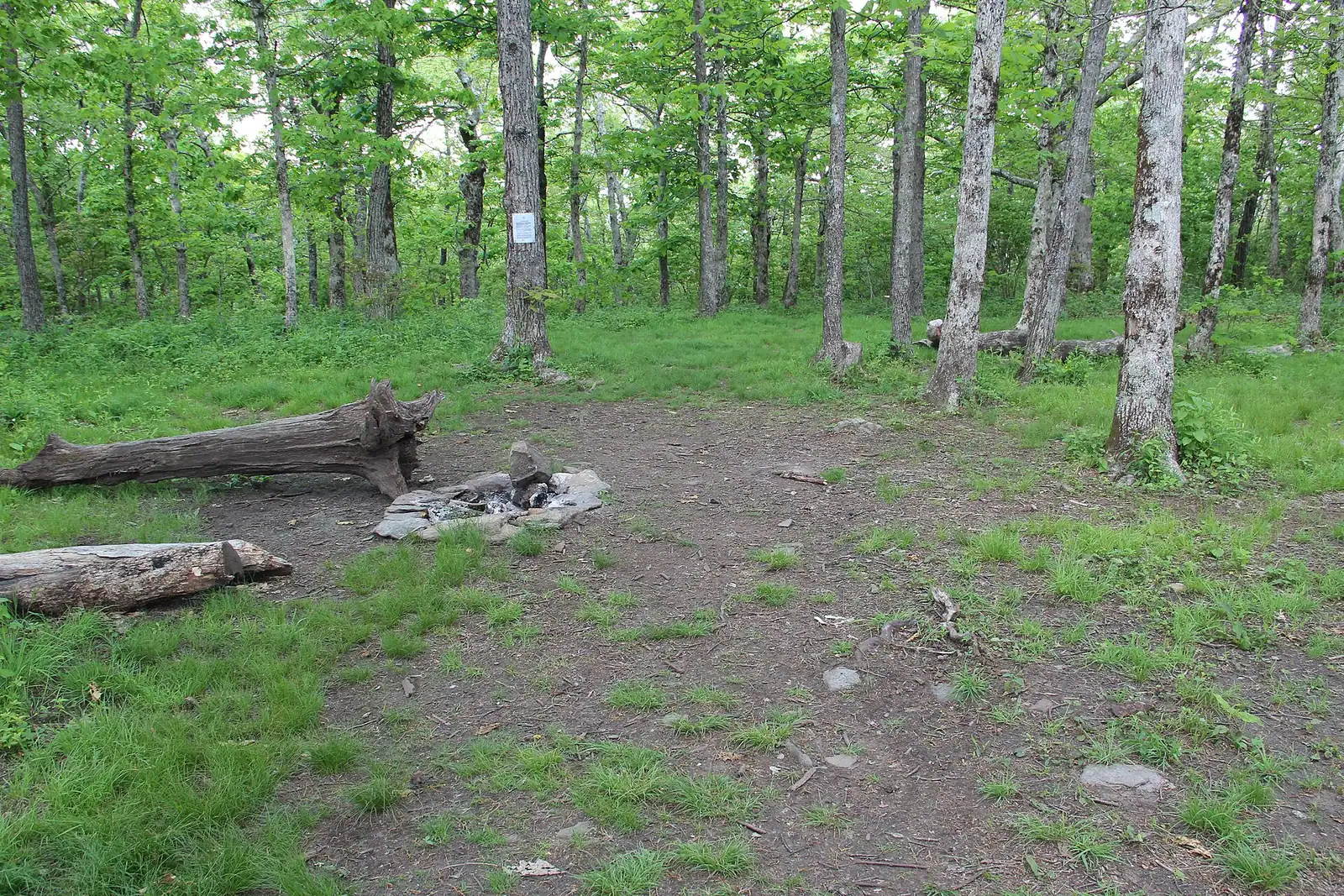
Trail
Springer Mountain
Free
The Appalachian Trail's first white blaze sits at 3,770 feet, about an hour of mountain road from a Blue Ridge cabin.
1.5–7 hoursFree. No entry fee, no parking charge, no facilities.
Photograph: Thomson20192
Things to Do
Free things to do in Blue Ridge, Georgia: waterfalls, the swinging bridge, the painted state line and 106,000 acres of forest that never sells a ticket.
 Unsplash
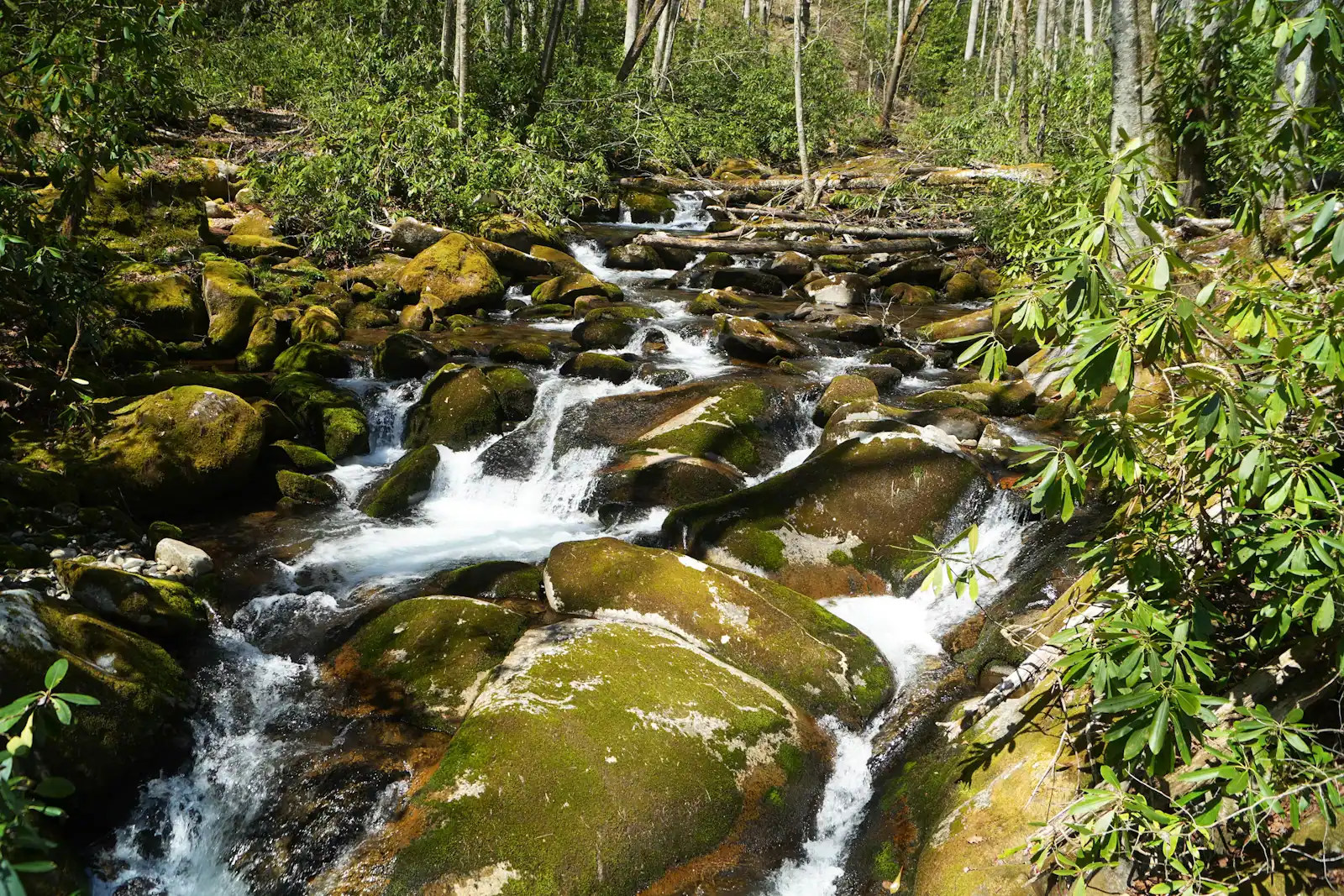
Once the cabin is paid for, Fannin County is close to free, and that is not a budget-travel writer's spin. It is a consequence of what the place is. Roughly 106,000 acres of this county is Chattahoochee National Forest, and a national forest does not sell tickets. The waterfalls are free. The trails are free. The river is free. The famous footbridge is free. Standing with one foot in Georgia and one in Tennessee is free. The only substantial ticket in the county is the scenic railway, and you do not have to buy it.
That makes the arithmetic here unusual. On a coast, accommodation is the cost and then everything you do adds to it. Here, accommodation is the cost and the rest of the weekend can genuinely run to petrol and groceries. Families who have done both are often surprised by how much less a Blue Ridge weekend comes to than a comparable one at the beach, even with a cabin that felt expensive at the point of booking.
There is a boundary worth being precise about, because visitors trip over it constantly. Forest trailheads are free. Developed Forest Service recreation areas are generally not. Places with a car park, a toilet block, a beach, a boat ramp or a campground charge a day-use or camping fee. That includes Morganton Point on the lake and Deep Hole on the river. Pull-off trailheads on a forest road do not. Fishing needs a Georgia licence, plus a trout licence for trout water, so the river is free to look at and not free to fish.
The second thing to understand is that free here mostly means outdoors, and outdoors here mostly means driving. A tank of petrol is the real budget item, because everything is fifteen to forty-five minutes apart on winding roads. Grouping your free days by geography saves more money than any admission discount would: forest and falls one day, town and state line another.
What follows is what is genuinely free, what has a small fee attached, and the handful of things people assume are free and are not.
 Unsplash
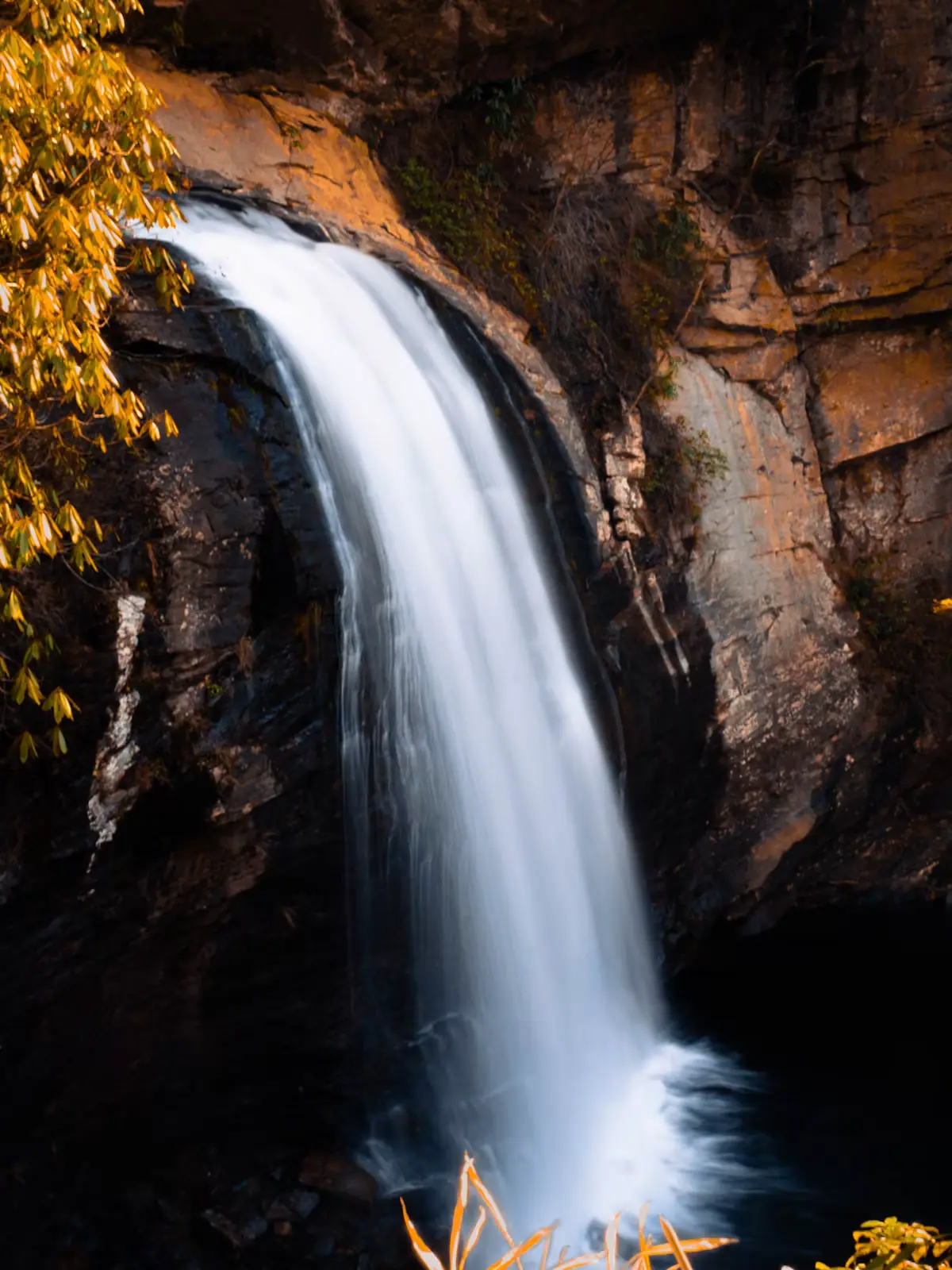
The county markets something in the region of three hundred miles of trail, and the great majority of it is free to walk from a roadside trailhead.
Fall Branch Falls, reached from Stanley Creek Road, is the best short payoff in Fannin County: a steep walk of a few minutes from the road to a genuine waterfall, which makes it the one to do with people who do not really want to hike. Long Creek Falls takes about a mile of walking from Three Forks, where the Appalachian Trail and the Benton MacKaye Trail run together, and it is the better hike of the two.
The Aska Adventure Area, in the block of forest between Lake Blue Ridge and the Toccoa, is the most convenient trail network to the town and gives you loops that can be an hour or most of a day. Nothing there charges.
For the ambitious, Springer Mountain at 3,770 feet has been the southern terminus of the Appalachian Trail since 1958, and the Benton MacKaye Trail begins a third of a mile north of the same summit. Walking any part of either costs nothing. Getting to the trailhead is the expensive bit in time rather than money: Forest Service Road 42 is a long unpaved drive that takes well over an hour from town.
Waterfalls run hard after rain and can be a disappointing trickle at the end of a dry August.
Two of the county's signature photographs cost nothing.
The Toccoa River Swinging Bridge is a long suspension footbridge carrying the Benton MacKaye Trail over the river in the national forest south of town. Locally it is described as the longest swinging bridge east of the Mississippi; treat that as a claim rather than a measured fact, because published lengths vary. What it certainly is, is long enough to move under you and a genuinely good place to stand. Parking is a pull-off, not a facility. The approach is unpaved forest road and is a poor idea in a low car after heavy rain, and the bridge has been closed for repair at times, so check current forest alerts before you commit forty to fifty minutes each way.
The other one is in McCaysville, twenty-odd minutes north on GA 5. McCaysville, Georgia and Copperhill, Tennessee are one town divided by a state line that runs diagonally through it, and the boundary is painted across the pavement. Standing with a foot in each state and photographing it is what everybody does, including most of the scenic railway's passengers on their layover. It is also the point where the Toccoa River becomes the Ocoee, which is a strange thing for a river to do and worth walking down to the bridge to see.
Both are free, both are short, and neither justifies the drive on its own. Pair them with something else.
 Unsplash
Local tips
When to go
Spring, March into May. The best free season and the least crowded. Waterfalls run hard with snowmelt and spring rain, the dogwoods and rhododendron come through, and the trails are empty. Early May is the county's sweet spot for anybody not chasing autumn colour.
Summer, June into August. The river is the free attraction. Swimming holes, wading, skimming stones, and shade in the forest when the valleys are humid. Afternoon thunderstorms build over the ridges most days, so do your walking in the morning.
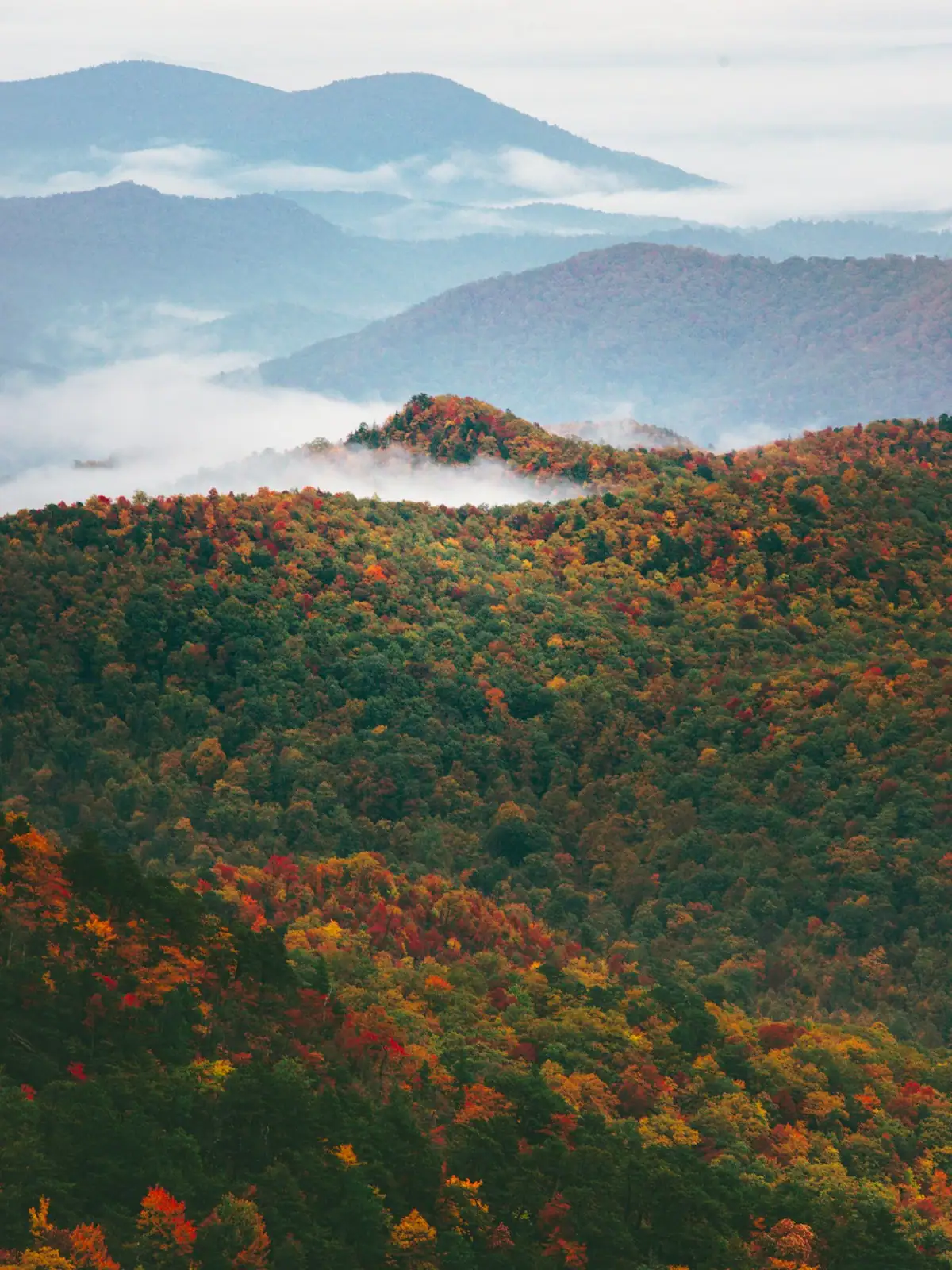
Autumn, late September into November. Leaf colour at these elevations usually arrives in the second half of October and moves year to year, so check the Chattahoochee-Oconee National Forest's colour updates and the Georgia State Parks leaf reports rather than trusting a date. Colour is free from every road in the county, which is just as well, because this is the one time of year when the paid things are hardest to get into.
Winter, December into February. The most underrated free season. Bare trees open up long views that summer hides completely, waterfalls run well, the trails are empty, and on a cold clear night the sky is at its best. The lake is drawn down about twenty feet, so it looks unappealing, and forest roads can carry ice that nobody is going to grit.
Before you book
Developed Forest Service recreation areas charge. Anywhere with a car park, toilets, a swimming beach or a boat ramp generally carries a day-use fee. That means Morganton Point on Lake Blue Ridge and Deep Hole Recreation Area on the Toccoa, and camping is charged separately. Roadside trailheads on a forest road do not. Carry small notes or coins, because some sites use an envelope box rather than a card machine.
Fishing needs a licence. Georgia requires a fishing licence, and trout water requires a trout licence on top. Regulations vary by stretch, with delayed-harvest and artificial-only sections that are not signposted the way a visitor expects. Buy before you cast and read the rules for the specific water.
Tubing is not free. The river is free; the tube and the shuttle are not, and the shuttle is the part you are really paying for.
U-pick is not free. Walking into the orchard market is. Picking a bag of apples is charged by weight or by container.
Parking downtown is easy and not always unlimited. Watch for time-limited spaces on Main Street on a busy weekend.
The swinging bridge is free and the drive is not. Forty to fifty minutes each way, much of it on gravel, is real petrol and real time in a county where everything is a drive.
On the ground
Every place below has its own page — hours, parking, what it costs and what to expect when you get there.
The Appalachian Trail's first white blaze sits at 3,770 feet, about an hour of mountain road from a Blue Ridge cabin.
1.5–7 hoursFree. No entry fee, no parking charge, no facilities.
Photograph: Thomson20192
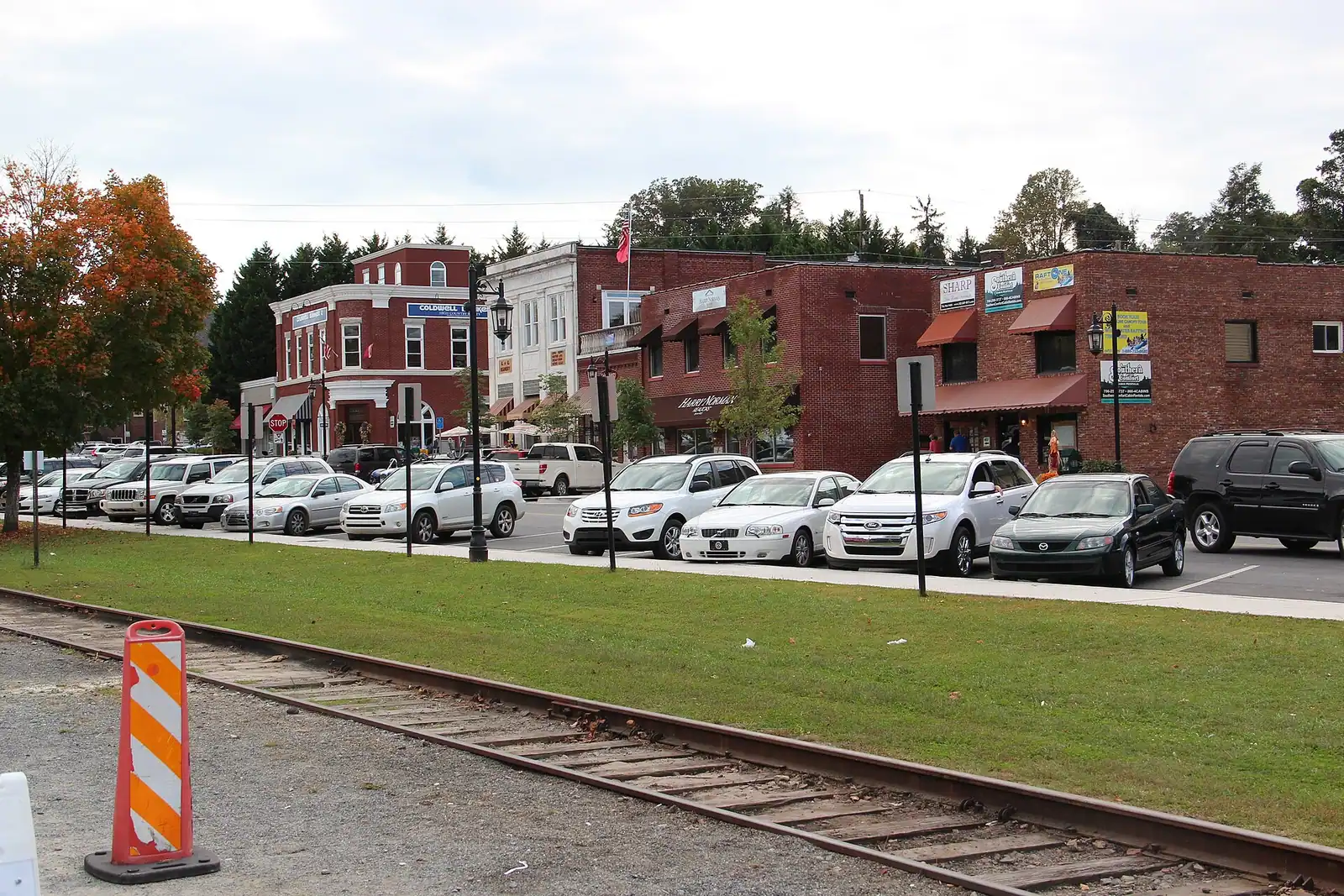
Four blocks of shopfronts facing a working railway depot, small enough to walk twice and busy enough to need a parking plan in October.
1–4 hoursFree. Street parking is free and scarce on peak weekends.
Photograph: Thomson M
A Georgia town of about 1,150 people that shares its high street, its river and its bridge with a different state.
1–3 hoursFree. Walking to the state line and the river costs nothing.
Photograph: Unknown authorUnknown author or not provided
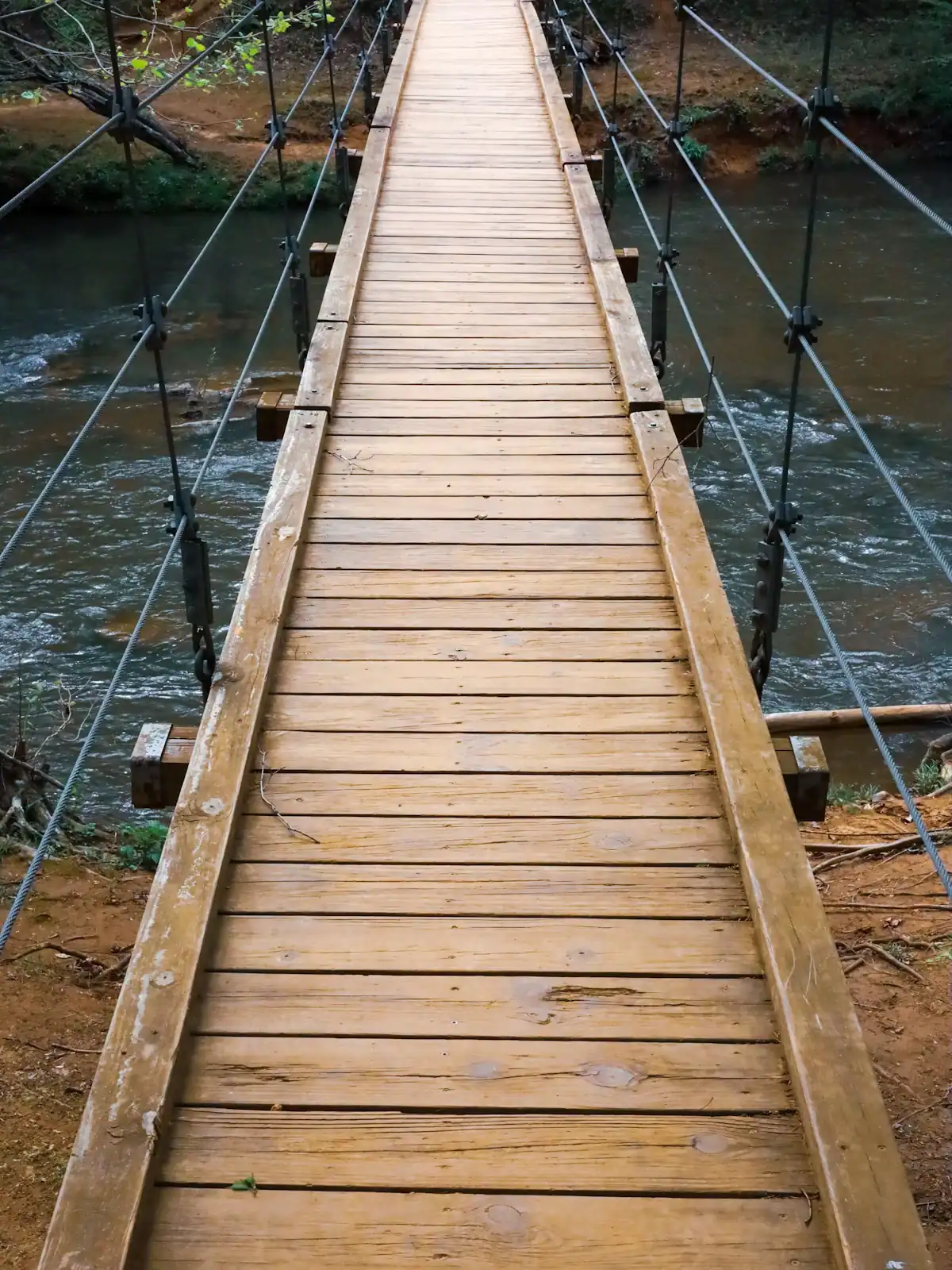
A cable footbridge that genuinely sways, hung over the Toccoa on the Benton MacKaye Trail, at the end of a gravel forest road.
0.5–4 hoursFree. No fee, no gate, no facilities.
Photograph: Unsplash
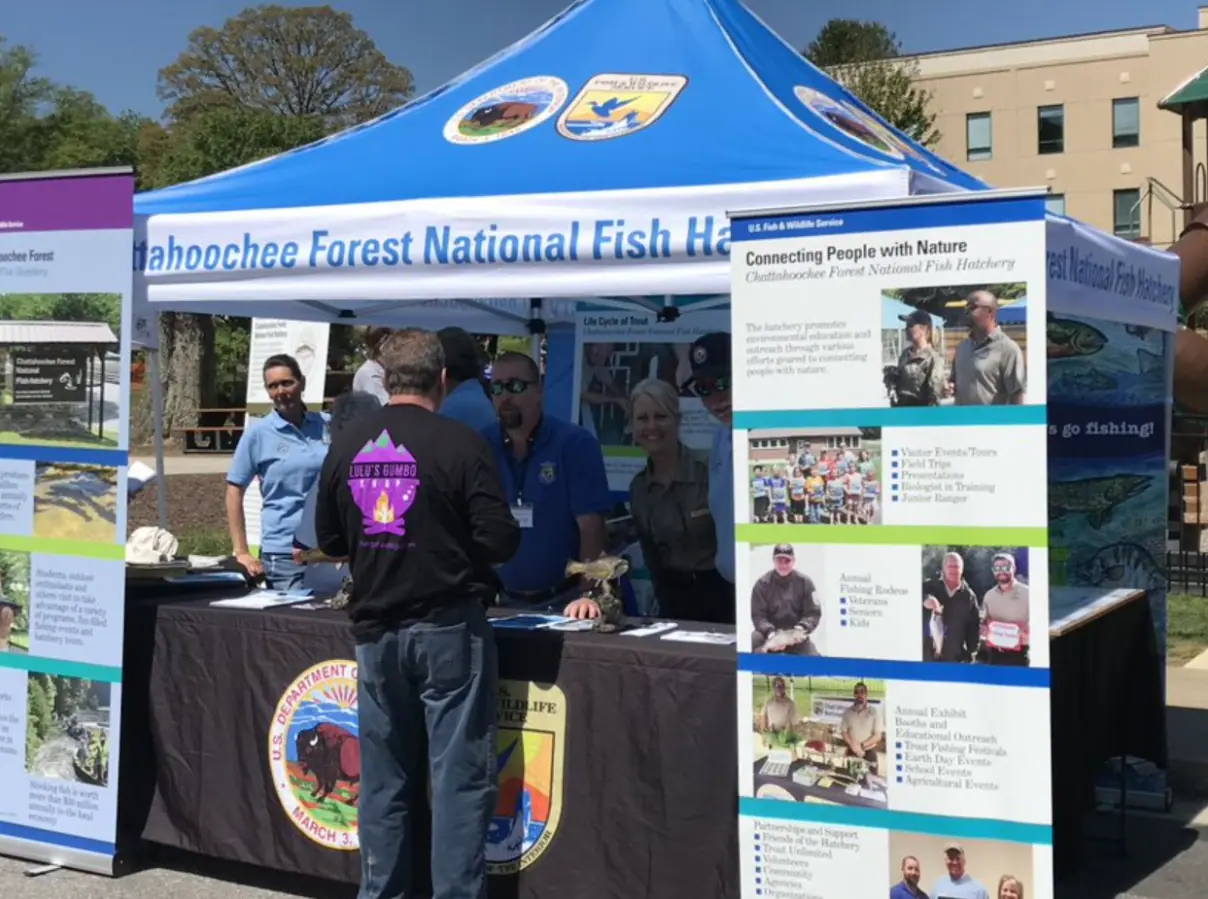
Around 106,000 acres of public land in Fannin County alone, almost none of it signposted, gated or supervised in the way visitors expect.
2–8 hoursFree to enter. Developed campgrounds and some day-use areas charge a fee.
Photograph: USFWS
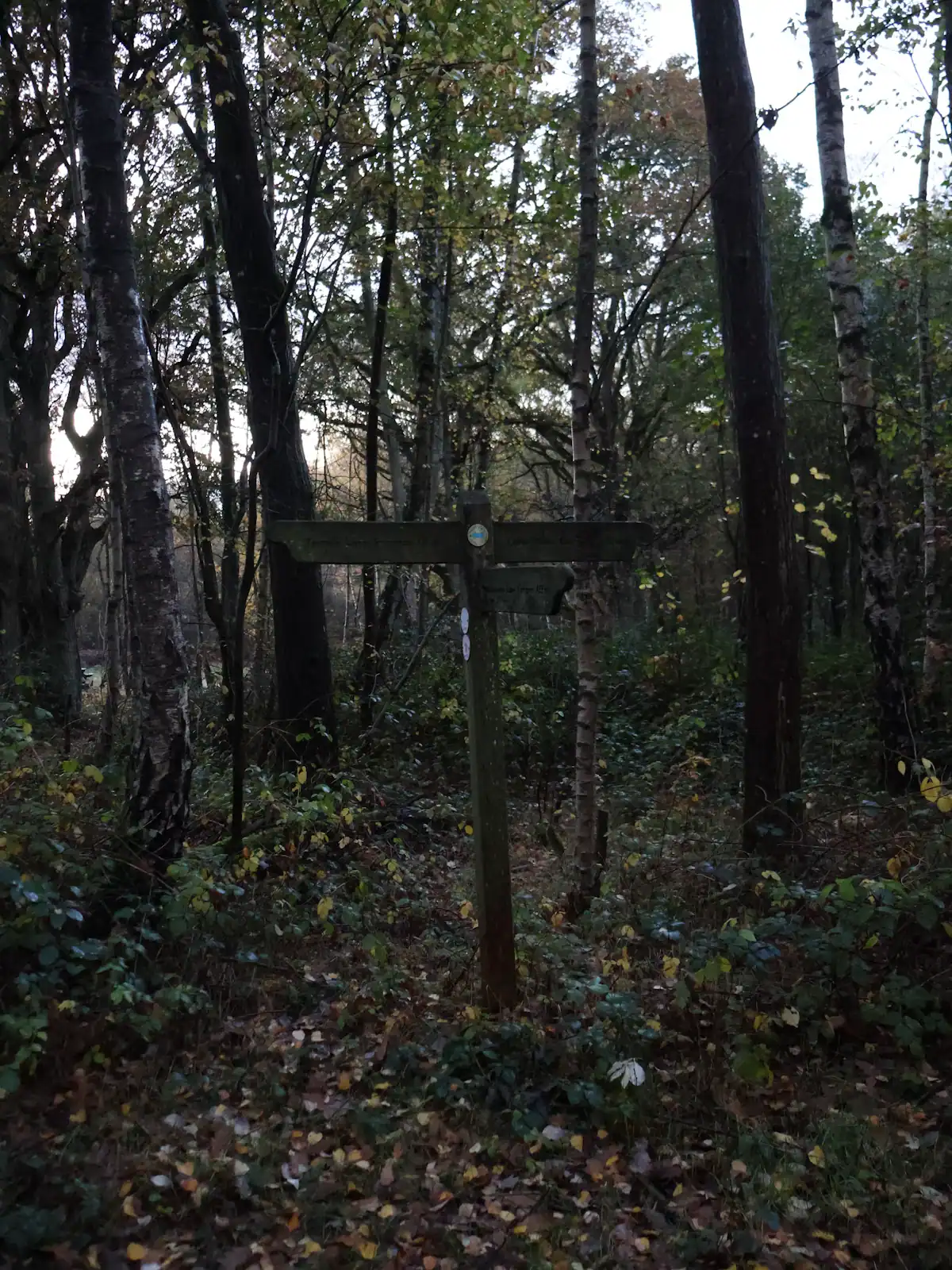
A ridge of Forest Service singletrack wedged between the lake and the river, and the closest real hiking to most Blue Ridge cabins.
1.5–6 hoursFree. No permit, no parking fee, no facilities.
Photograph: Unsplash
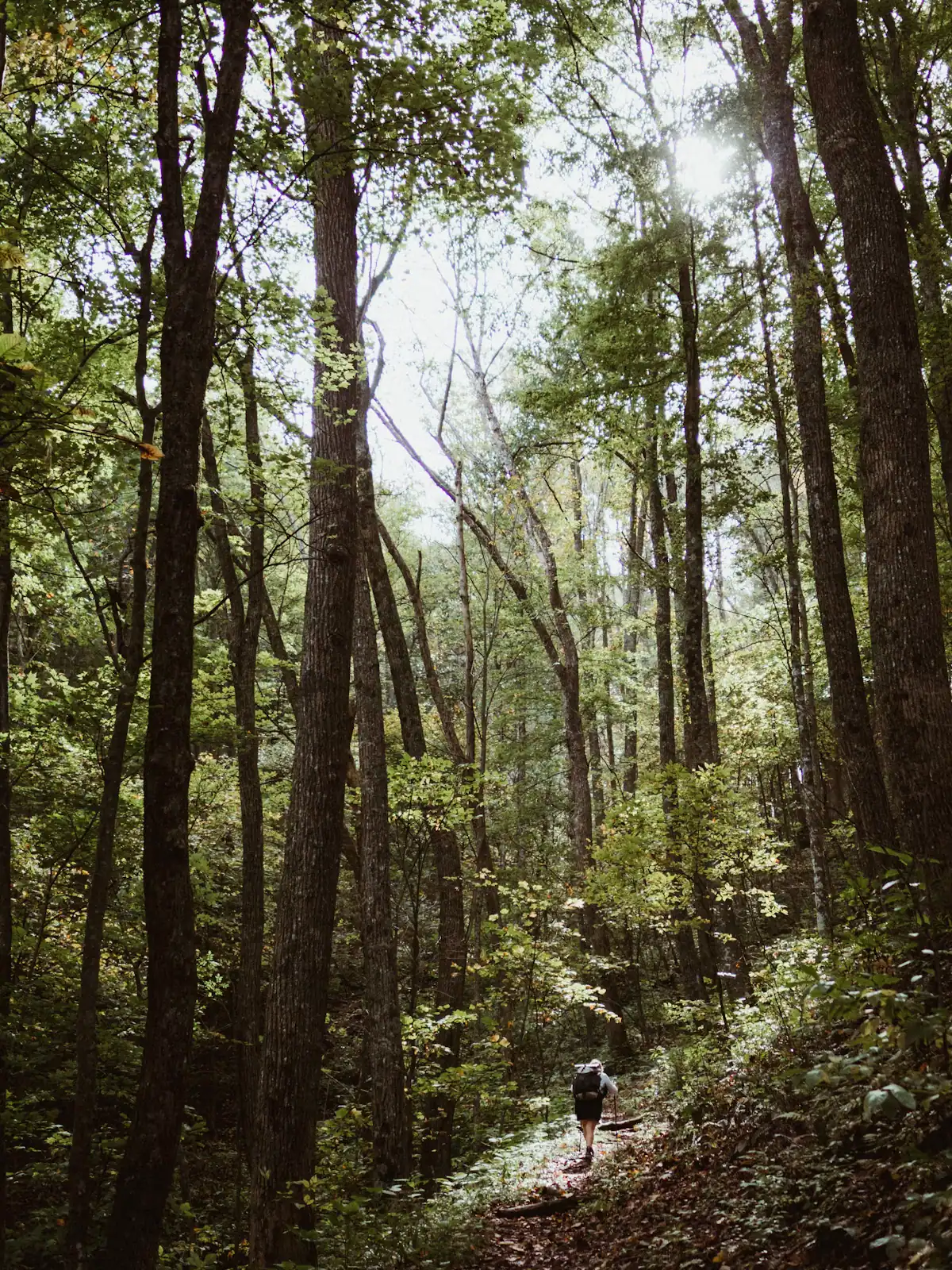
The quieter long trail: 300 miles from Springer Mountain to the Smokies, and the one that actually runs through Fannin County.
1–8 hoursFree. No permit required for day walking, no facilities on the trail.
Photograph: Unsplash
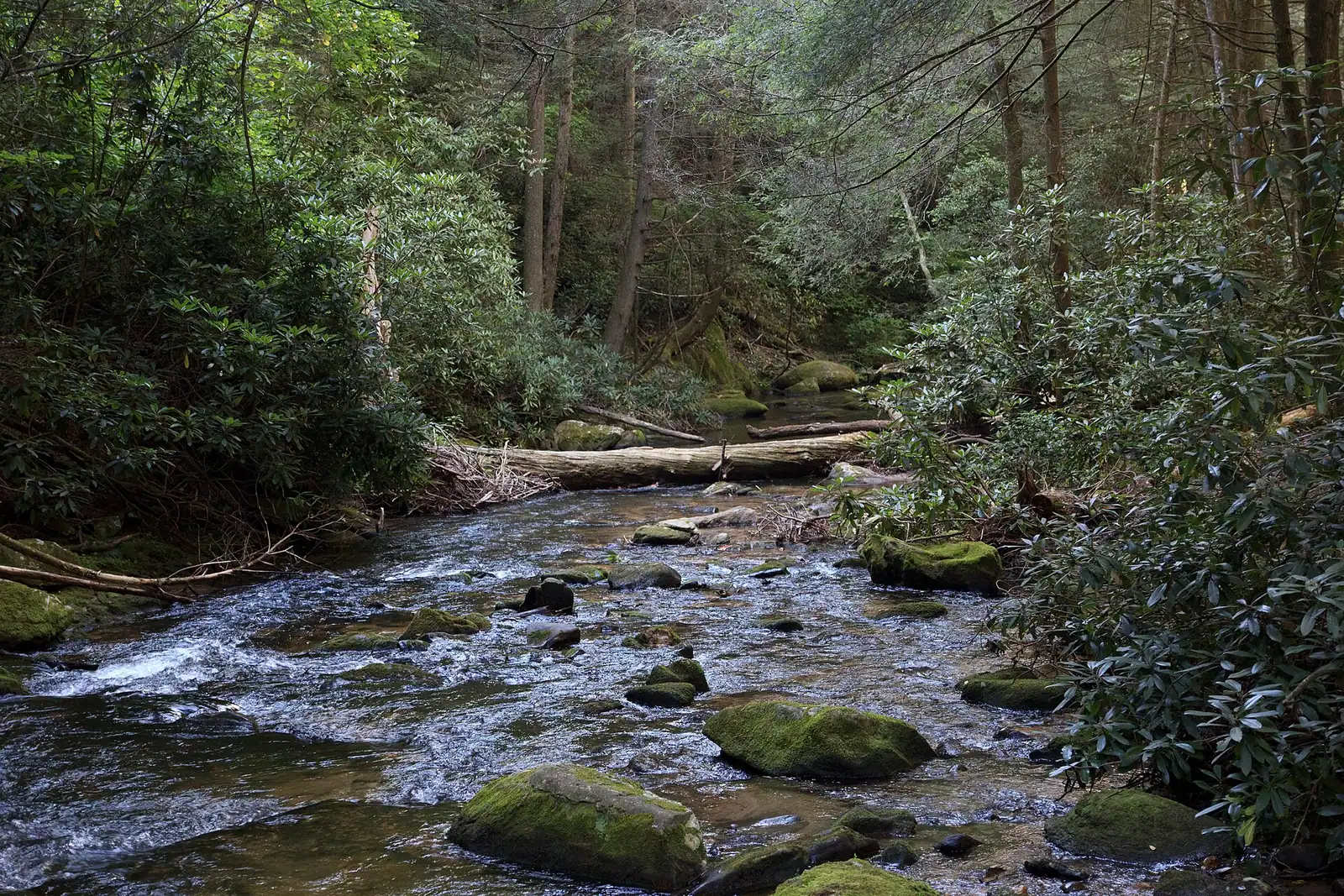
Georgia's best-known wild trout creek, where the 16-inch size limit means almost everything you catch goes back.
3–8 hoursFree to access. A Georgia fishing licence and trout licence are required to fish.
Photograph: Scott Long
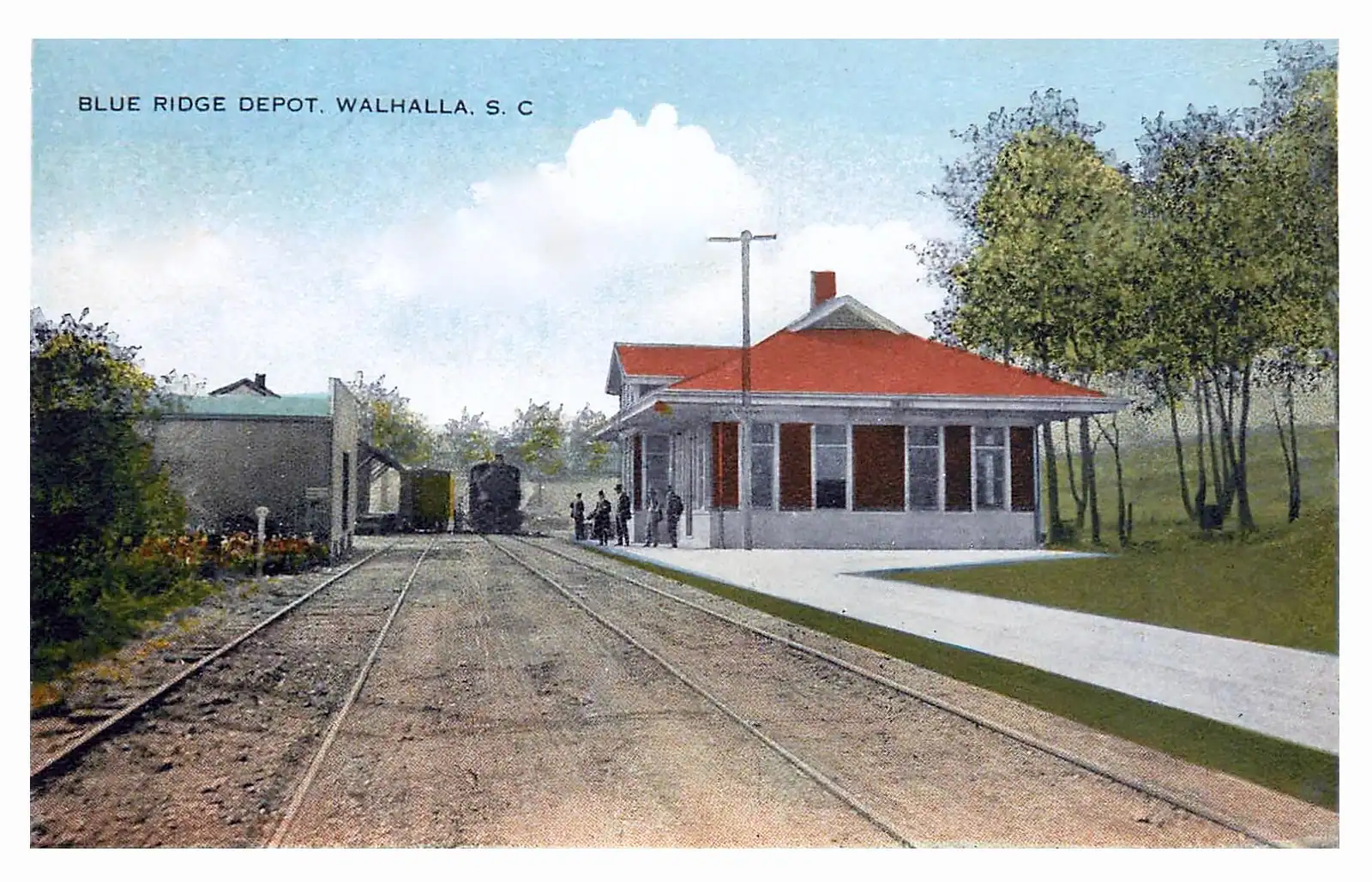
The oldest working thing in Blue Ridge: a Register-listed railway building still selling tickets to a train that still runs.
15–45 minutesFree to visit the building, platform side and yard. Train tickets are separate.
Photograph: Unknown author
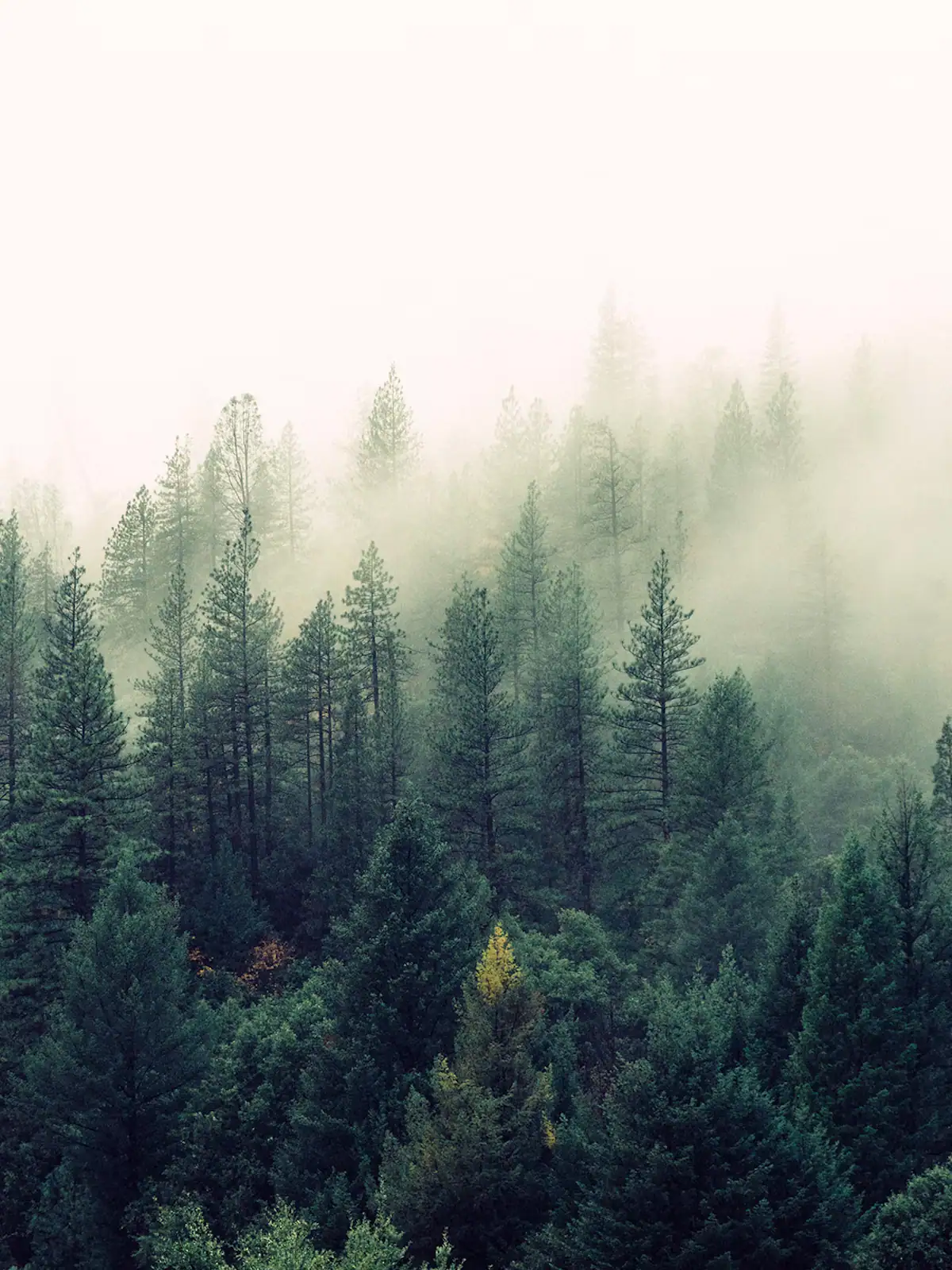
Nearly 37,000 acres of designated wilderness on the county's western edge: no blazes, no signal and dozens of river crossings.
5–10 hoursFree. No entrance fee, no facilities and no staffed access point.
Photograph: Unsplash

A broad, stepped falls a few minutes off the Appalachian Trail, reached by a forest road that does most of the work of keeping it quiet.
2–4 hoursFree. No fee, no facilities, no waste collection.
Photograph: Frances Long Taylor
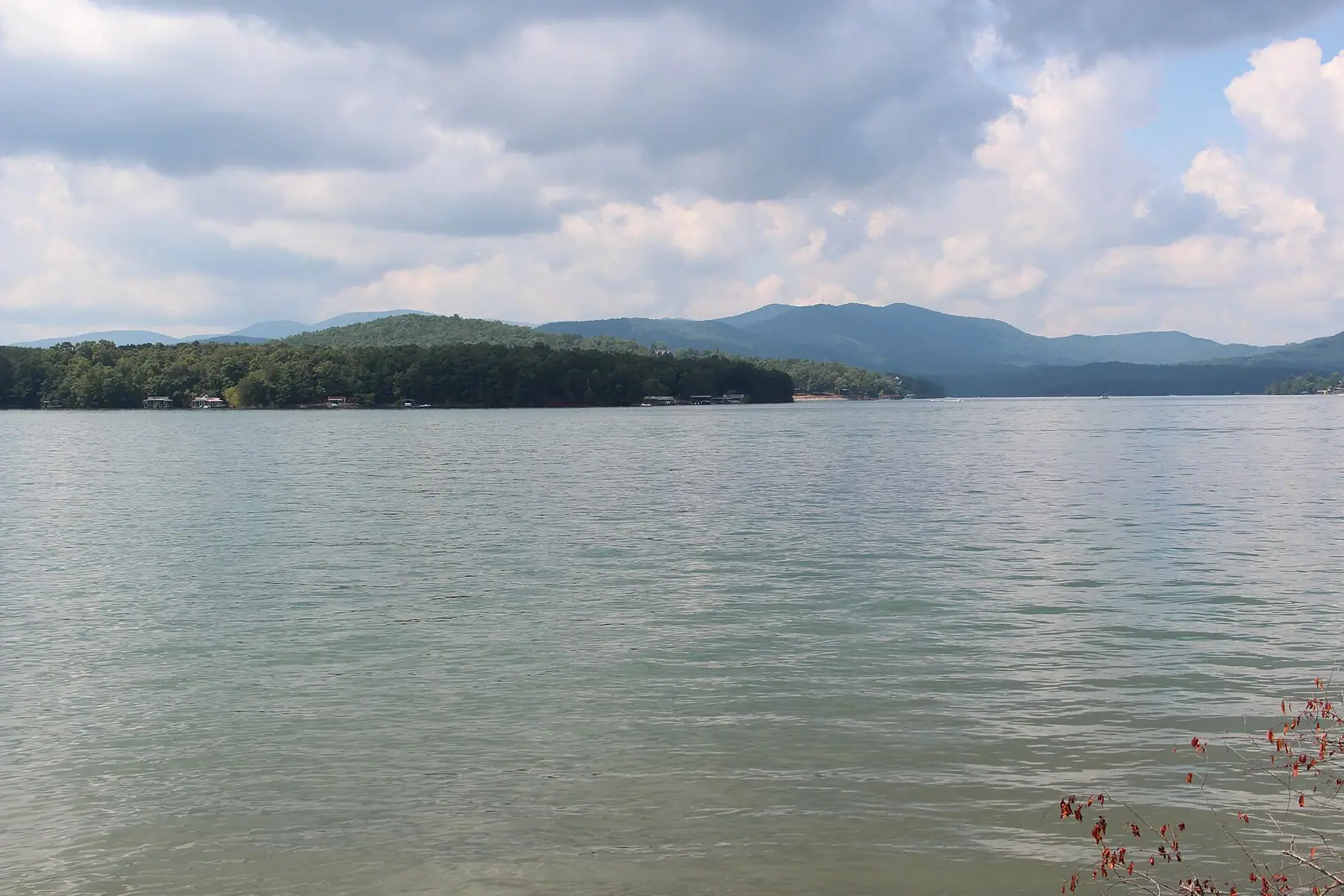
The public way onto Lake Blue Ridge: a small sand beach, 42 forest campsites and a ramp, in a village that used to run the county.
2–5 hoursDay-use parking fee per vehicle; camping charged per night.
Photograph: Thomson200
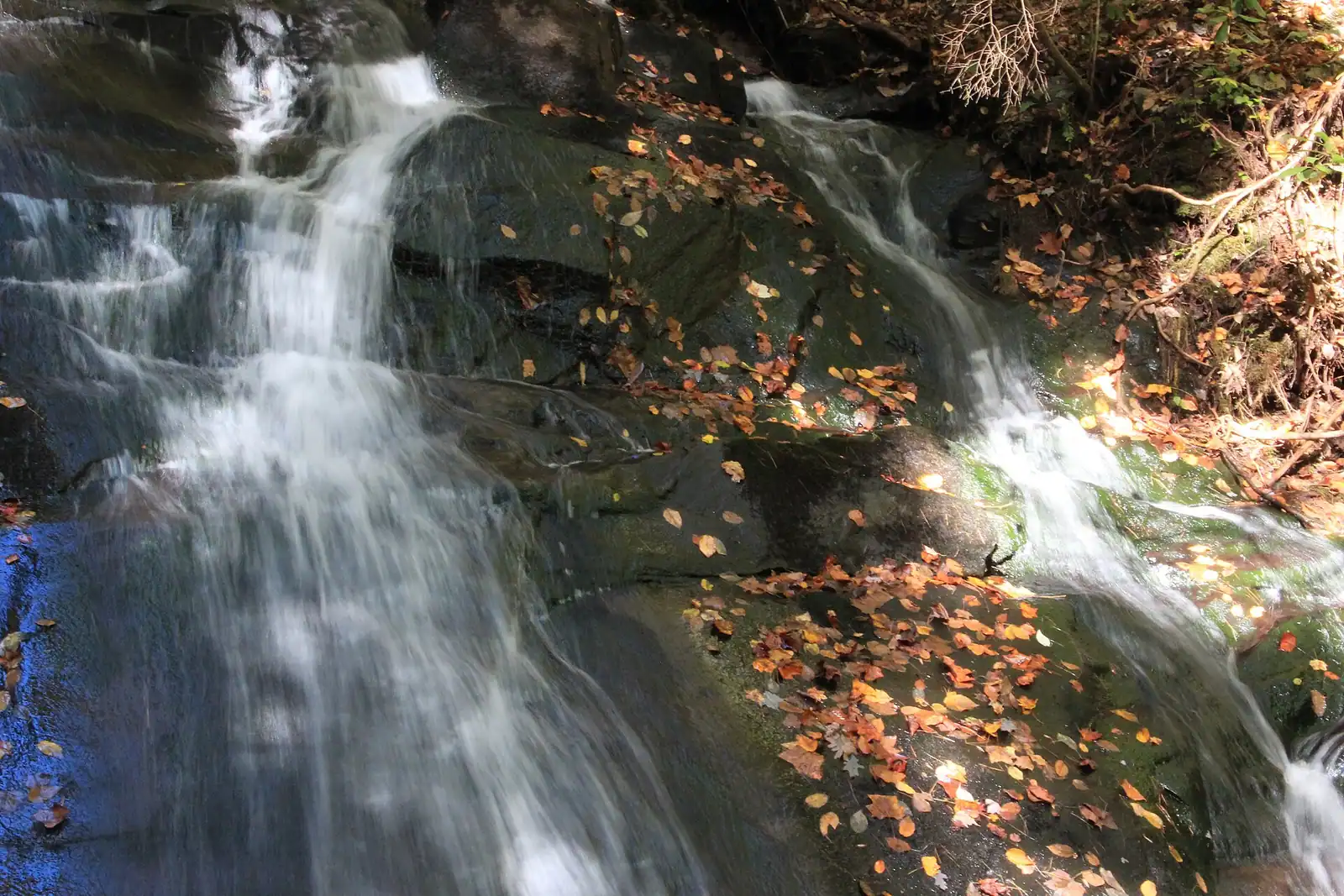
The closest real waterfall to a Blue Ridge cabin: a few hundred yards down the Benton MacKaye Trail, all of it downhill on the way in.
0.5–1.5 hoursFree. No fee, no facilities, and very limited verge parking.
Photograph: Thomson20192
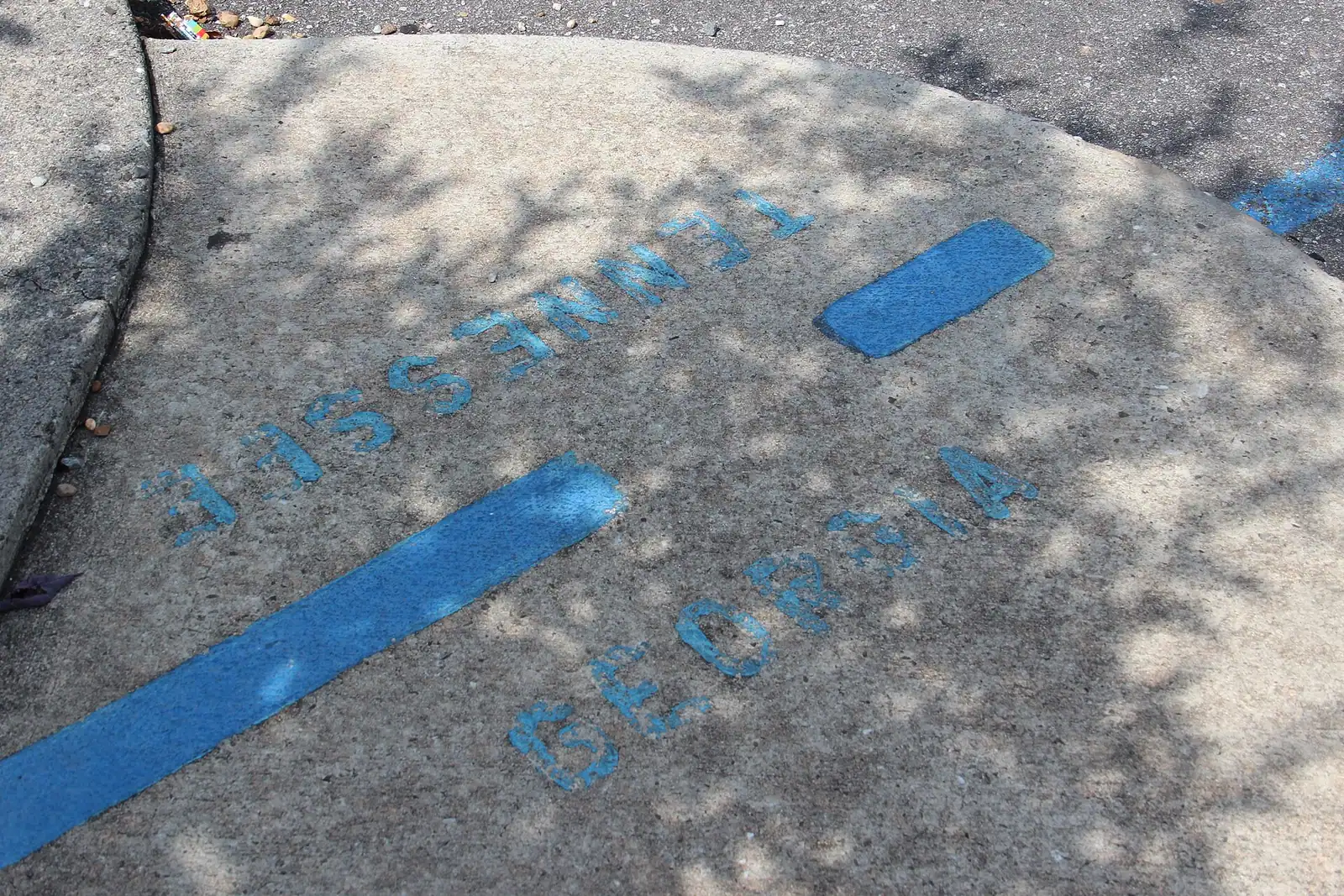
The Tennessee half of the twin towns, and the edge of a copper basin that was stripped to bare red clay and then replanted.
1–2 hoursFree. Walking the town, the bridge and the river bank costs nothing.
Photograph: Thomson20192
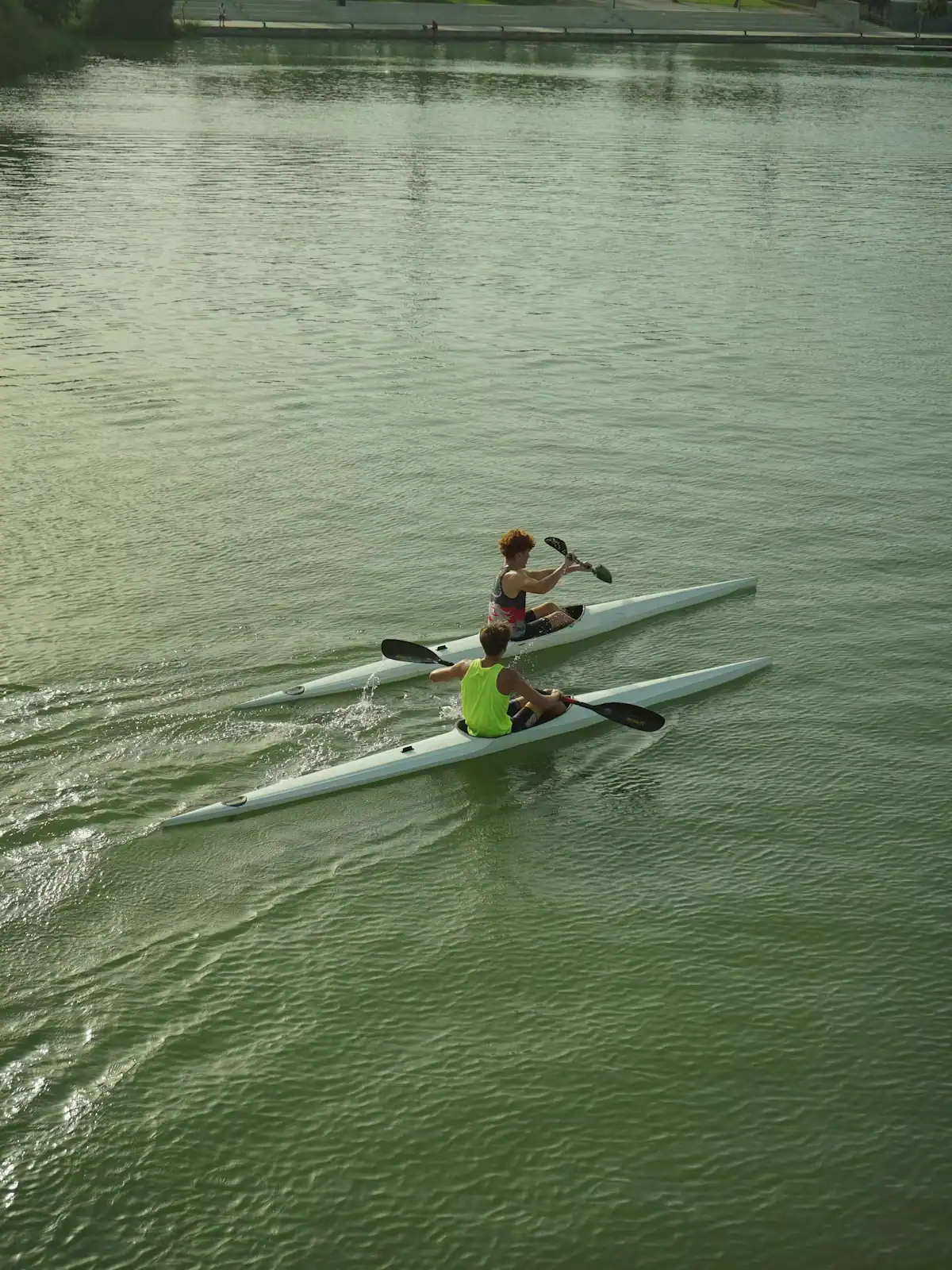
The Forest Service put-in at the head of a 13.8-mile river trail, forty minutes up the Toccoa valley from Blue Ridge.
2–8 hoursDay-use parking fee; camping charged per night.
Photograph: Unsplash

A 167-foot earth dam from 1931 that made the lake, chilled the river below it and set the rhythm of the whole county.
0.5–1 hoursFree. No visitor centre, no tours and no facilities at the dam.
Photograph: Chief Mass Communication Specialist Scott Curtis, U.S. Navy
Straight answers
Most of the good things. Roughly 106,000 acres of Fannin County is Chattahoochee National Forest, and forest trails, waterfalls and the Toccoa River Swinging Bridge cost nothing. So does standing on the painted state line in McCaysville, walking the two blocks of downtown Blue Ridge, watching trains cross Main Street, driving Aska Road in leaf season and looking at the Blue Ridge Dam. The only major ticket in the county is the scenic railway.
Not at a roadside trailhead in the national forest, which is how most walks here start. You do pay at developed Forest Service recreation areas such as Morganton Point on the lake and Deep Hole on the river, where there is a car park, toilets and a beach or ramp. Those sites charge a day-use fee and camping separately. Carry small notes, because some use an envelope box rather than a card reader.
Yes. It sits in the Chattahoochee National Forest and there is no charge to walk it, though parking is a roadside pull-off rather than a facility. The cost is the drive: forty to fifty minutes from town, with the last stretch on unpaved forest road that is a poor idea in a low car after rain. The bridge has been closed for repair at times, so check current forest alerts before you set out.
Entirely. Every road in Fannin County is a leaf drive, and the Aska Road loop south of town between the lake and the Toccoa is the best of them. Colour at these elevations usually comes in the second half of October but moves year to year, so check the national forest's colour updates and the Georgia State Parks leaf reports in the fortnight before you travel rather than booking around a fixed date.
Yes. Georgia requires a fishing licence, and a trout licence in addition for trout water, which is most of what you would want to fish here. Regulations also vary by stretch, with delayed-harvest and artificial-only sections that are not obvious from the bank. Buy the licence before you go out and read the rules for the specific water, because Fannin County's trout streams are not all governed the same way.
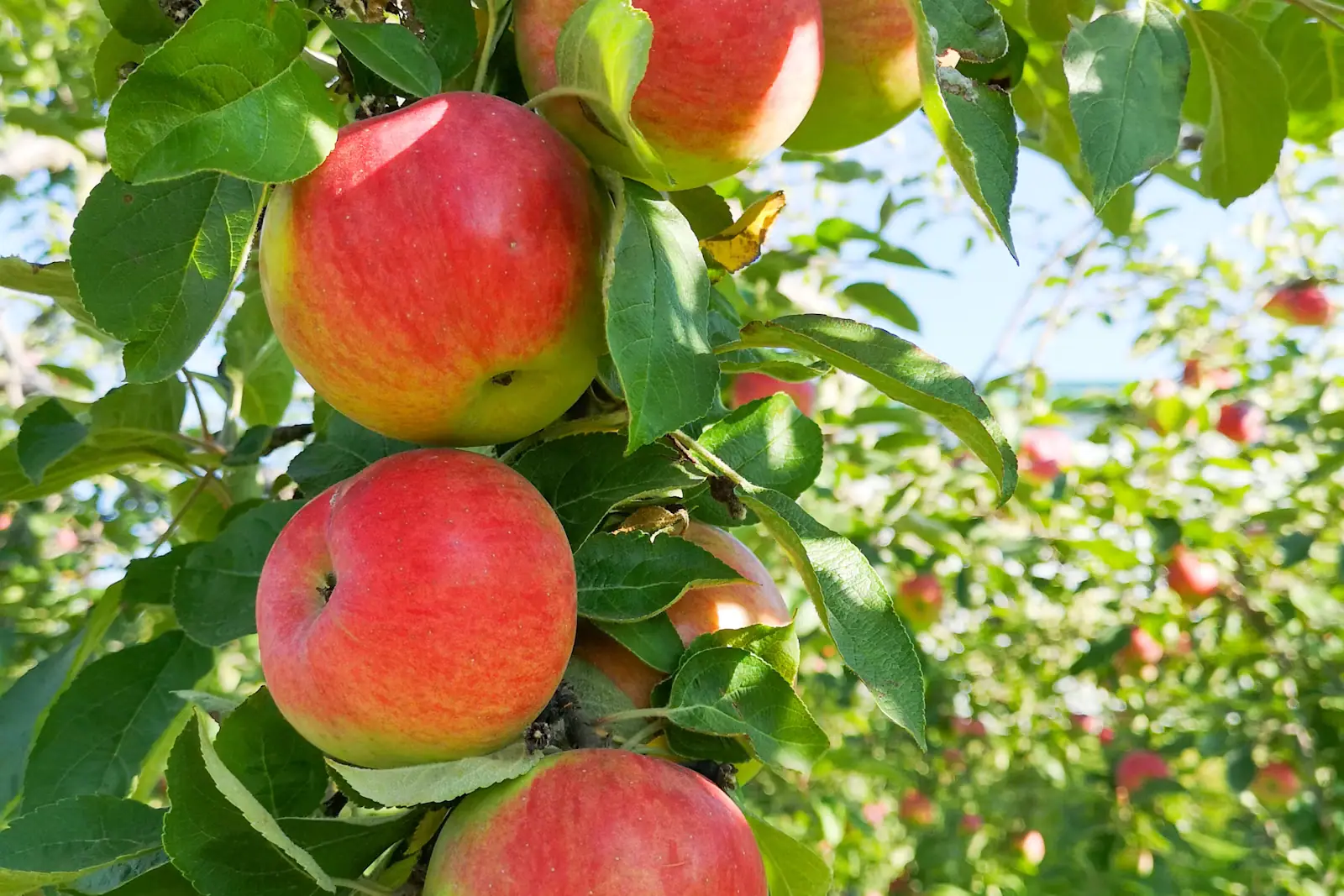
Walking into the market and the bakery costs nothing, even in the middle of the October rush, and you can look round without buying anything. U-pick is charged, usually by weight or by the container you take out, and it only runs when a crop is genuinely ready. The cider house and tastings are paid. Free or not, the car park on an autumn Saturday is the real cost, in time.
Once the cabin is paid for, remarkably cheap. Trails, waterfalls, the bridge, the state line, the town and the views are all free, so a family can fill three days on petrol and groceries. The variable costs that actually add up are fuel, because everything is fifteen to forty-five minutes apart, and firewood. Skipping the scenic railway is the single biggest saving available, though it is also the thing most worth buying.
The river, in summer. Wading, skimming stones and finding a swimming hole on the Toccoa costs nothing and occupies children for hours. Outside the warm months, Fall Branch Falls off Stanley Creek Road gives you a real waterfall for a few minutes of steep walking, and watching a freight train come through the middle of Main Street in Blue Ridge is a free twenty minutes that lands better than it has any right to.
Keep exploring
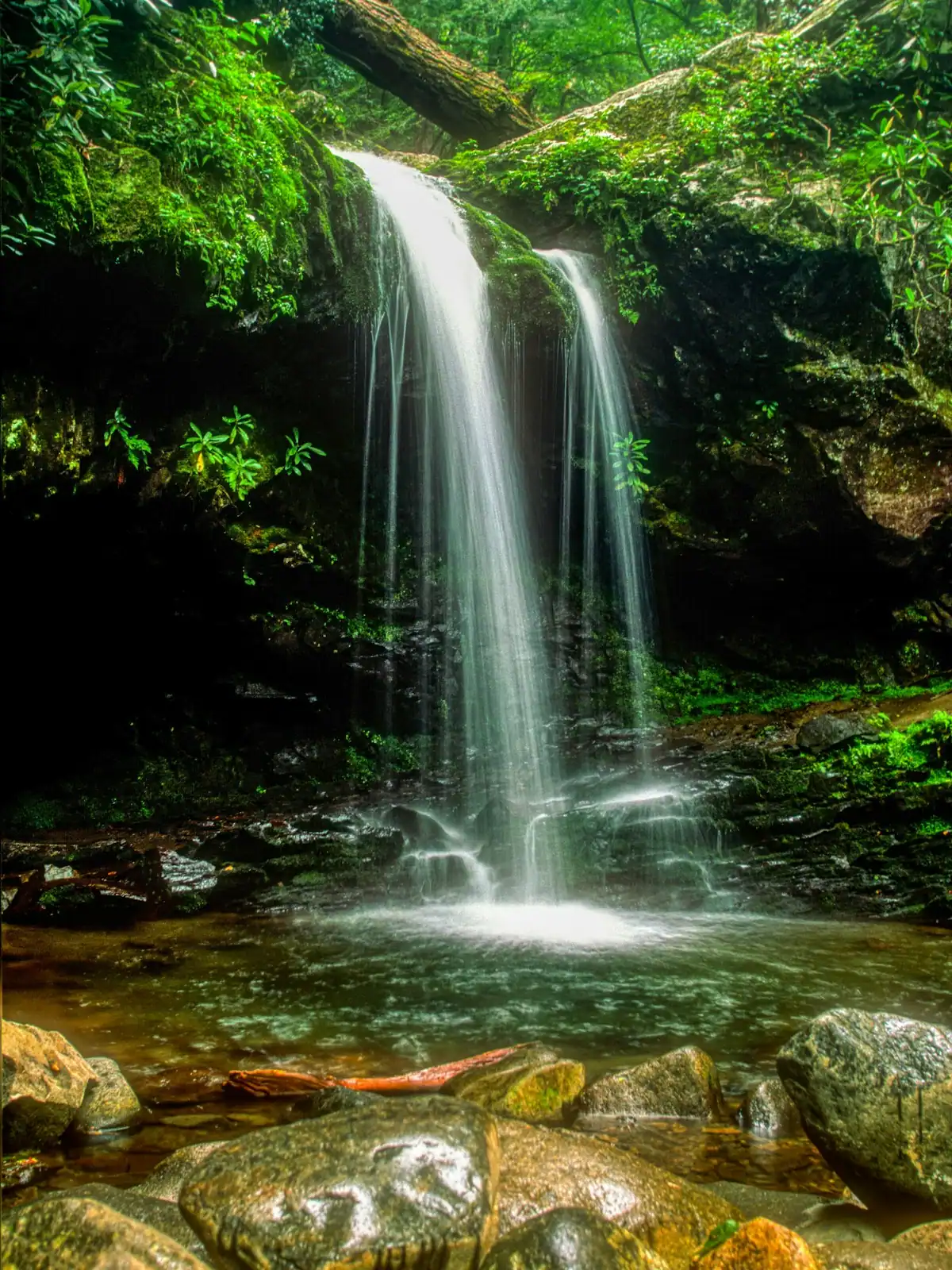
Fannin County holds something in the region of 106,000 acres of the Chattahoochee National Forest, roughly three hundred miles of trail and a…
Photograph: Unsplash
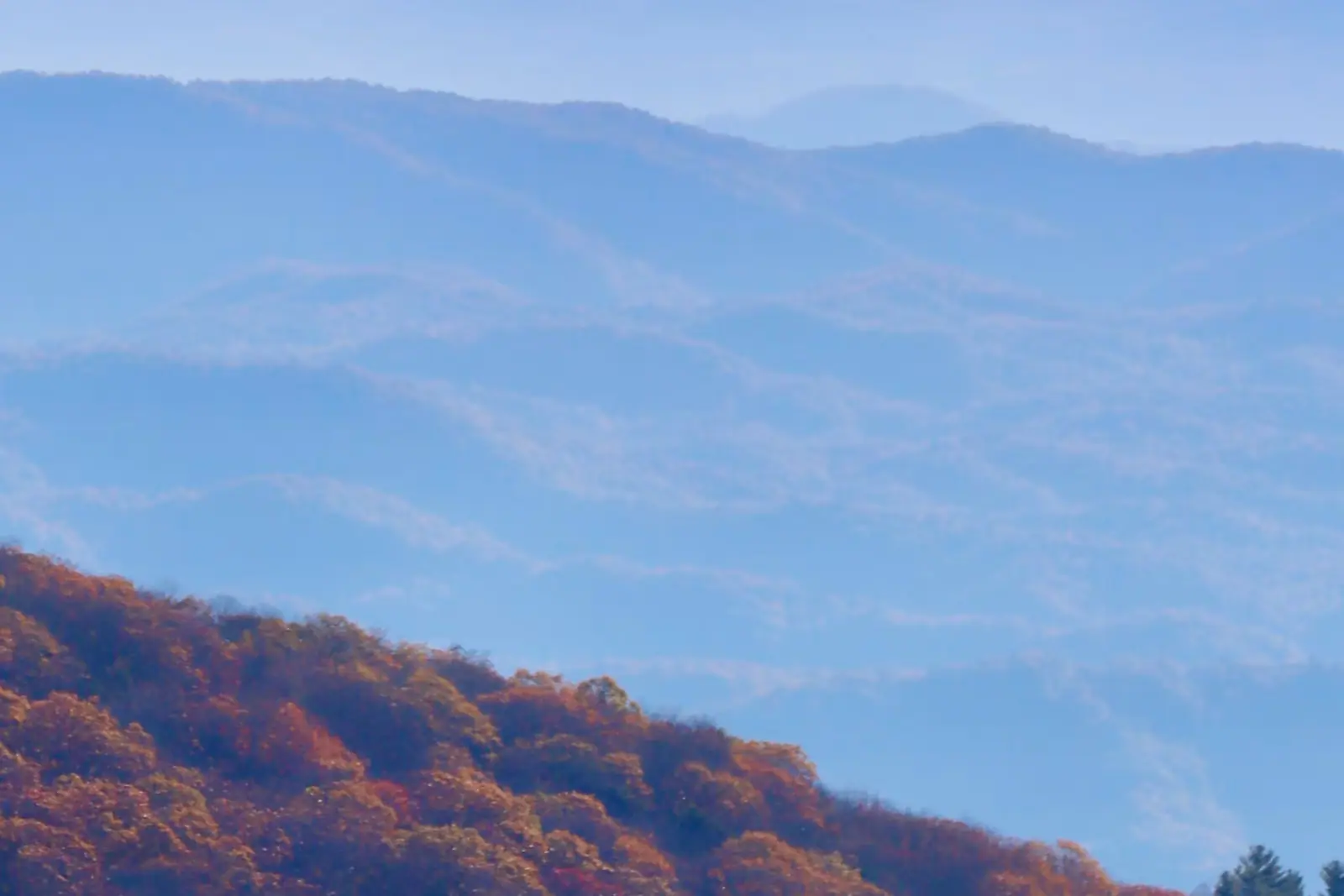
Almost nobody comes to Blue Ridge and stays in a hotel. They rent a cabin, usually for two or three nights, usually up a slope somewhere off a…
Photograph: Unsplash
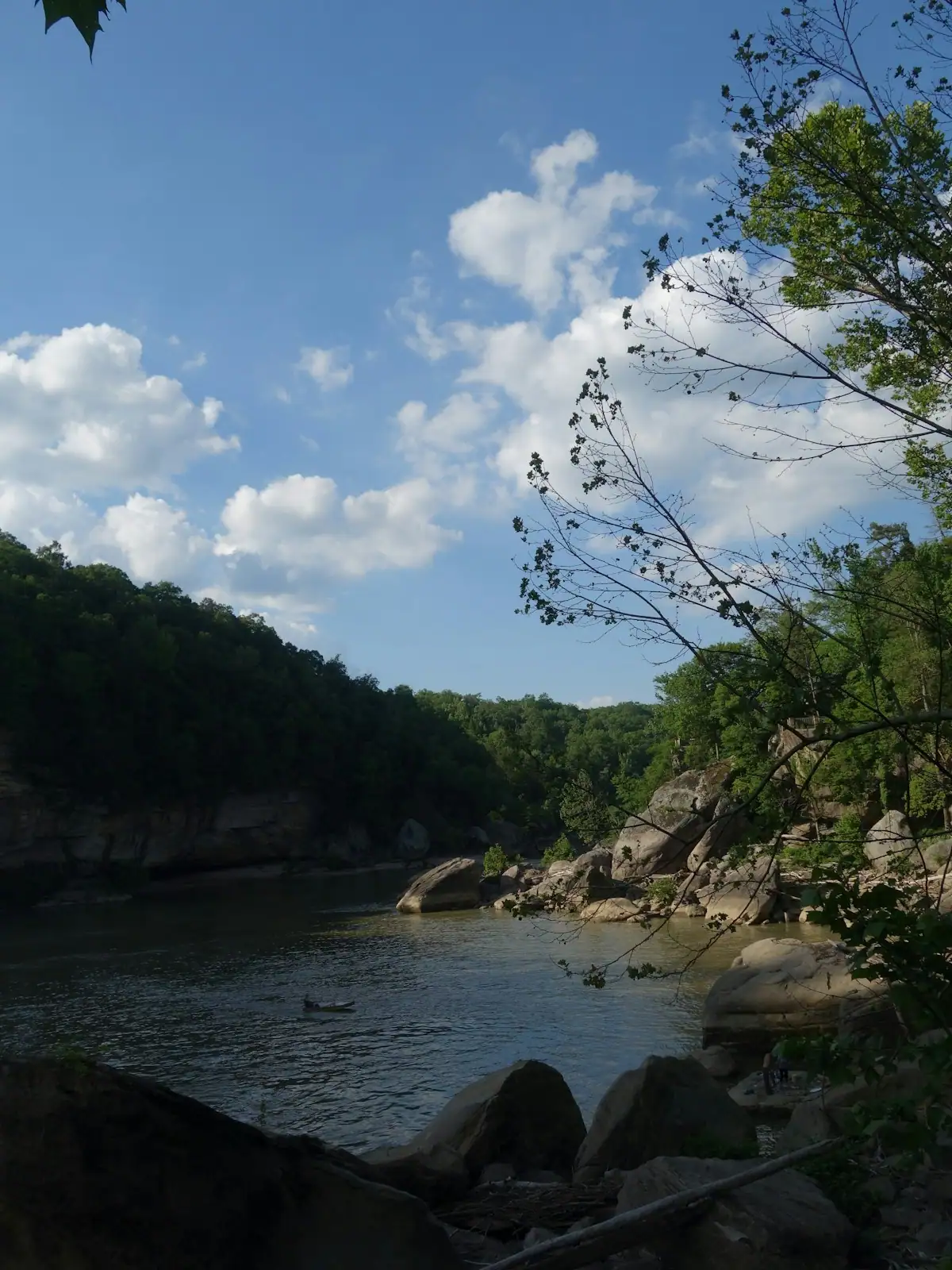
The Toccoa runs the wrong way. Georgia rivers are supposed to head for the Atlantic or the Gulf, and this one starts at about 2,120 feet in Union…
Photograph: Unsplash
Downtown Blue Ridge is four or five walkable blocks laid out around a railway depot, and the whole of it belongs to a town of 1,253 people. That…
Photograph: Unsplash
Here is the thing nobody puts in a family travel article about this county, and it is the most useful sentence on the page: for children under about…
Photograph: Unsplash
Autumn is the reason Fannin County has a visitor economy of the size it has. It is also the season most often mistimed, because people book it…
Photograph: Unsplash
Read next
Nearly everything free in Fannin County is free at the point of use and costs you a tank of fuel and forty minutes of gravel. Here is what is worth that trade.
6 min readWyatt Ledford
Photograph: Unsplash
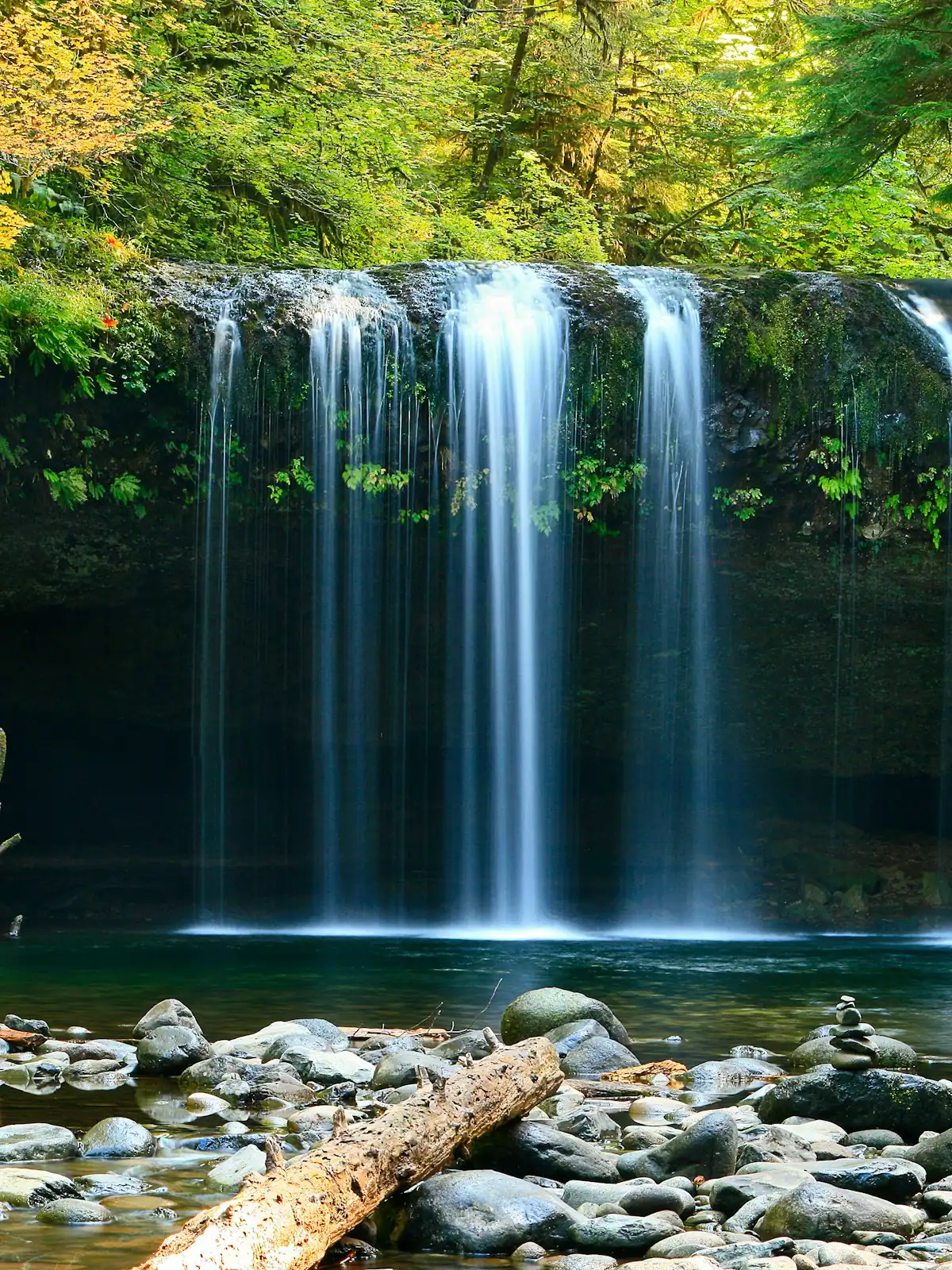
The walks are short. The gravel roads that reach them are not, and that is what actually decides your afternoon. What each waterfall is really like, and how to get there.
6 min readWyatt Ledford
Photograph: Unsplash
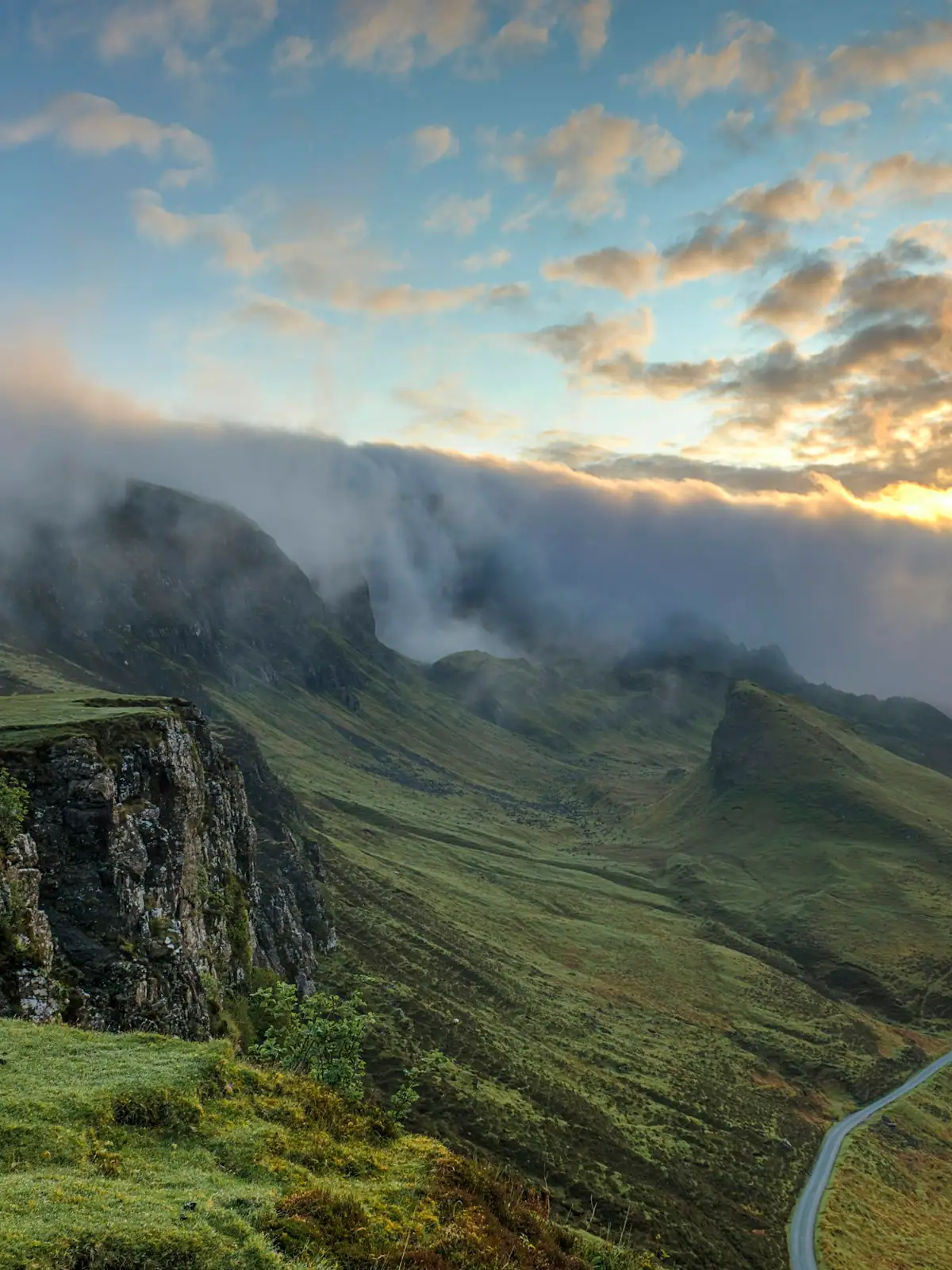
A town of 1,250 people, a county where nine in ten residents live outside any town at all, and three centres that point in three different directions. Here is how it fits together.
6 min readDarlene Pickett
Photograph: Unsplash
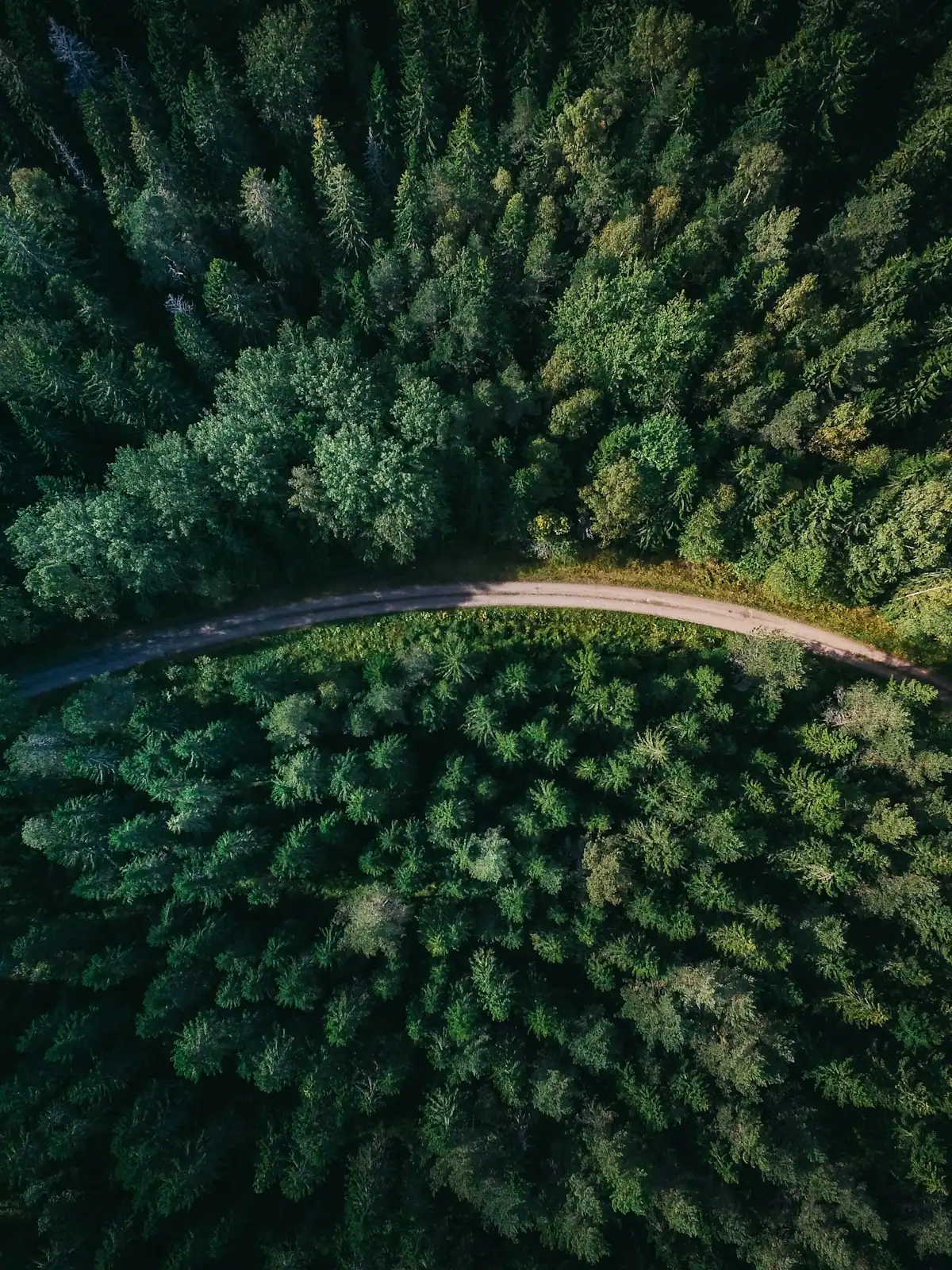
Two nights, one big thing per day, and a grocery stop before the last winding miles. An itinerary built around how long the driving actually takes.
6 min readDarlene Pickett
Photograph: Unsplash