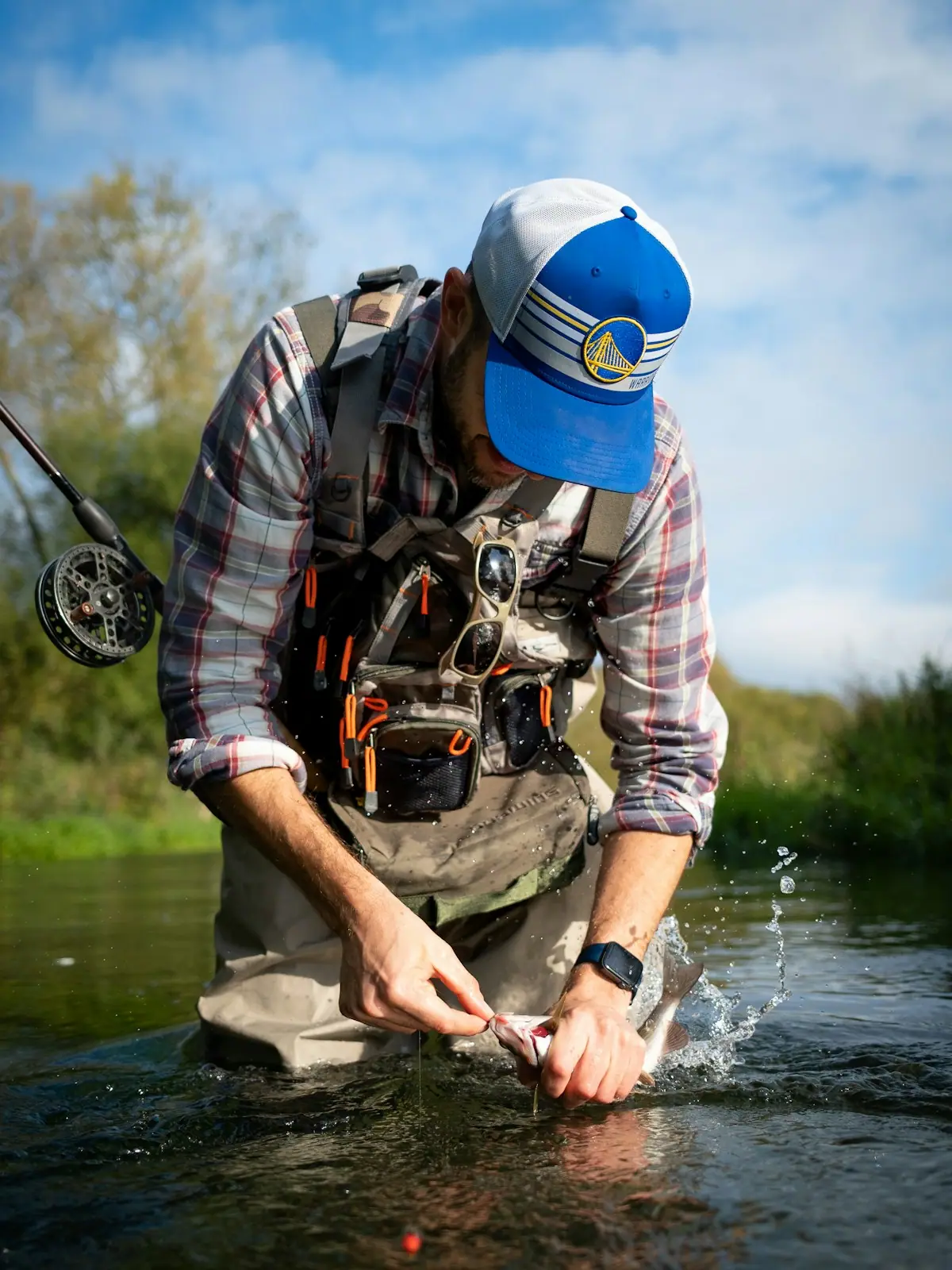
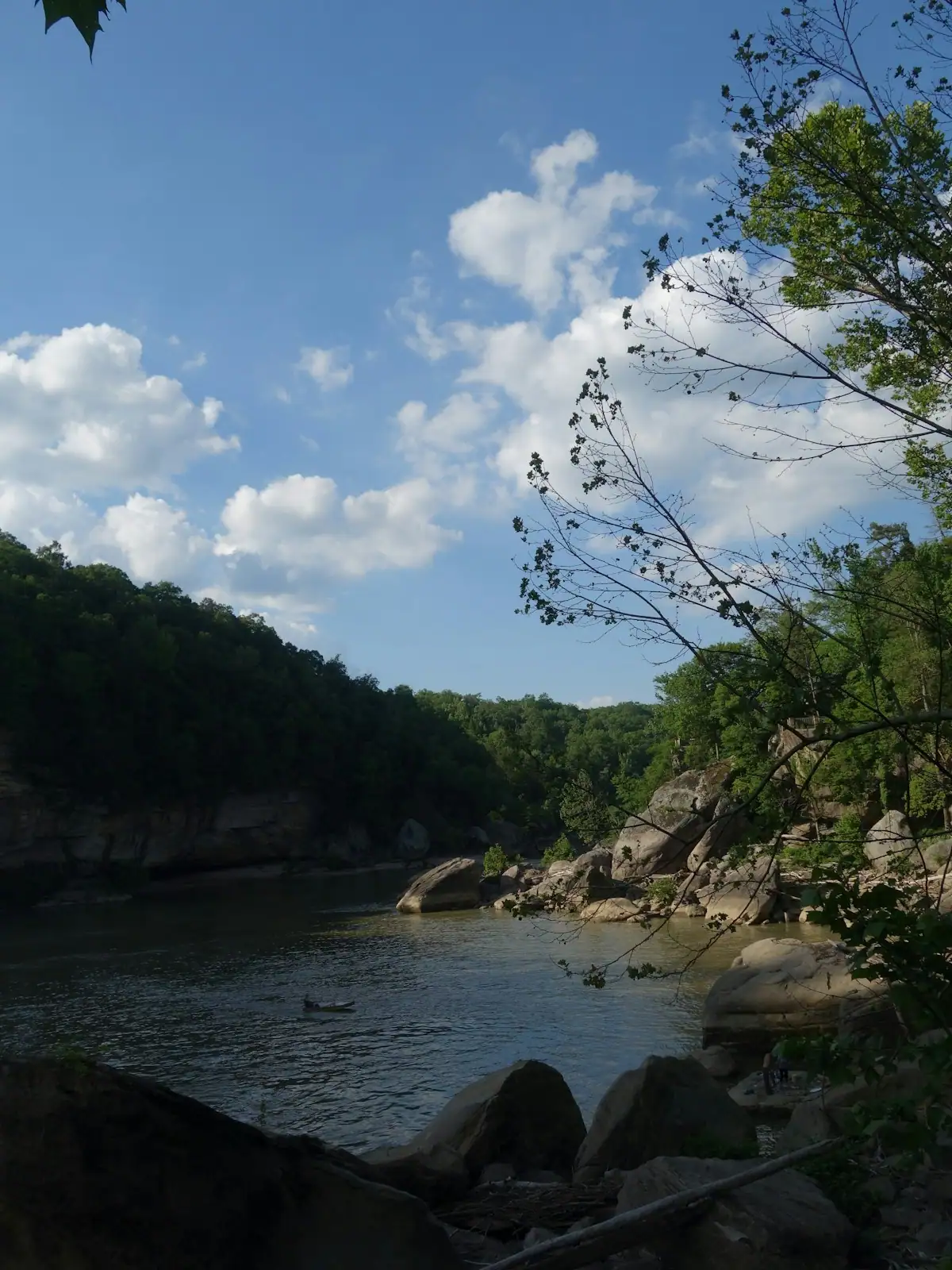
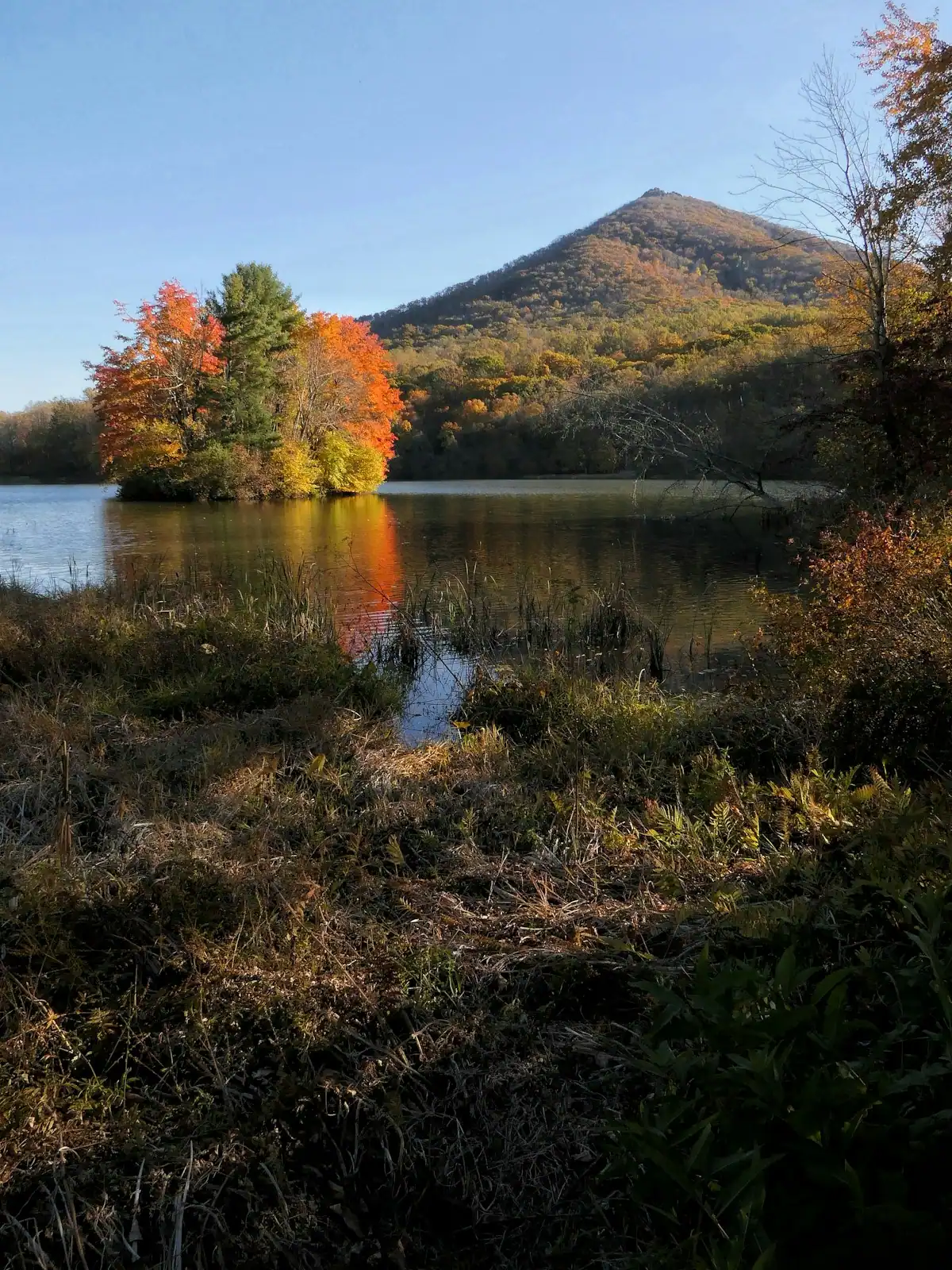
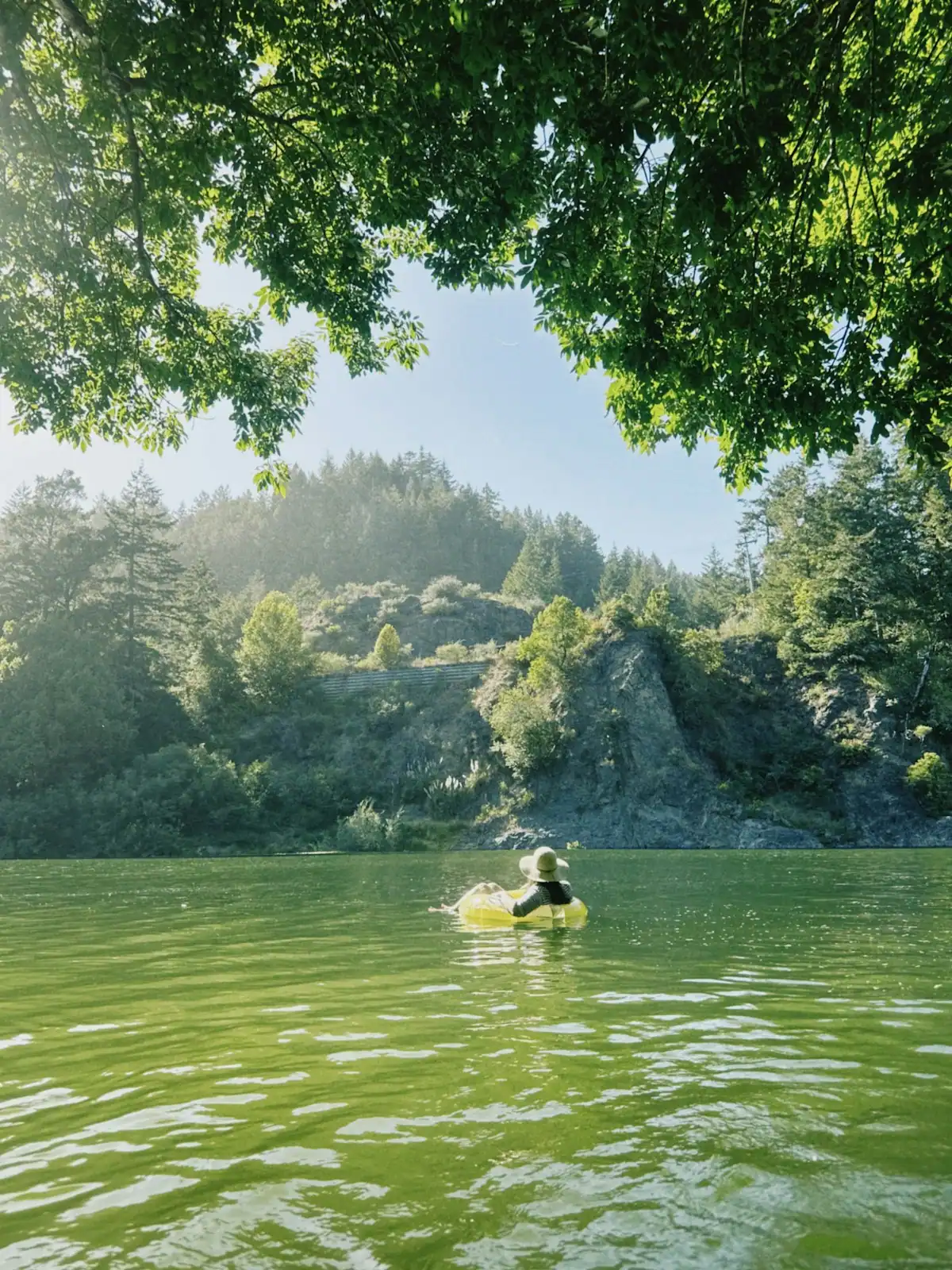
Fannin County advertises about a hundred miles of trout stream, and the number is not marketing. What it undersells is how different those miles are from one another. There are three fisheries here, they sit within half an hour of each other, and each is governed by a separate set of rules that a visitor is expected to know before wetting a line.
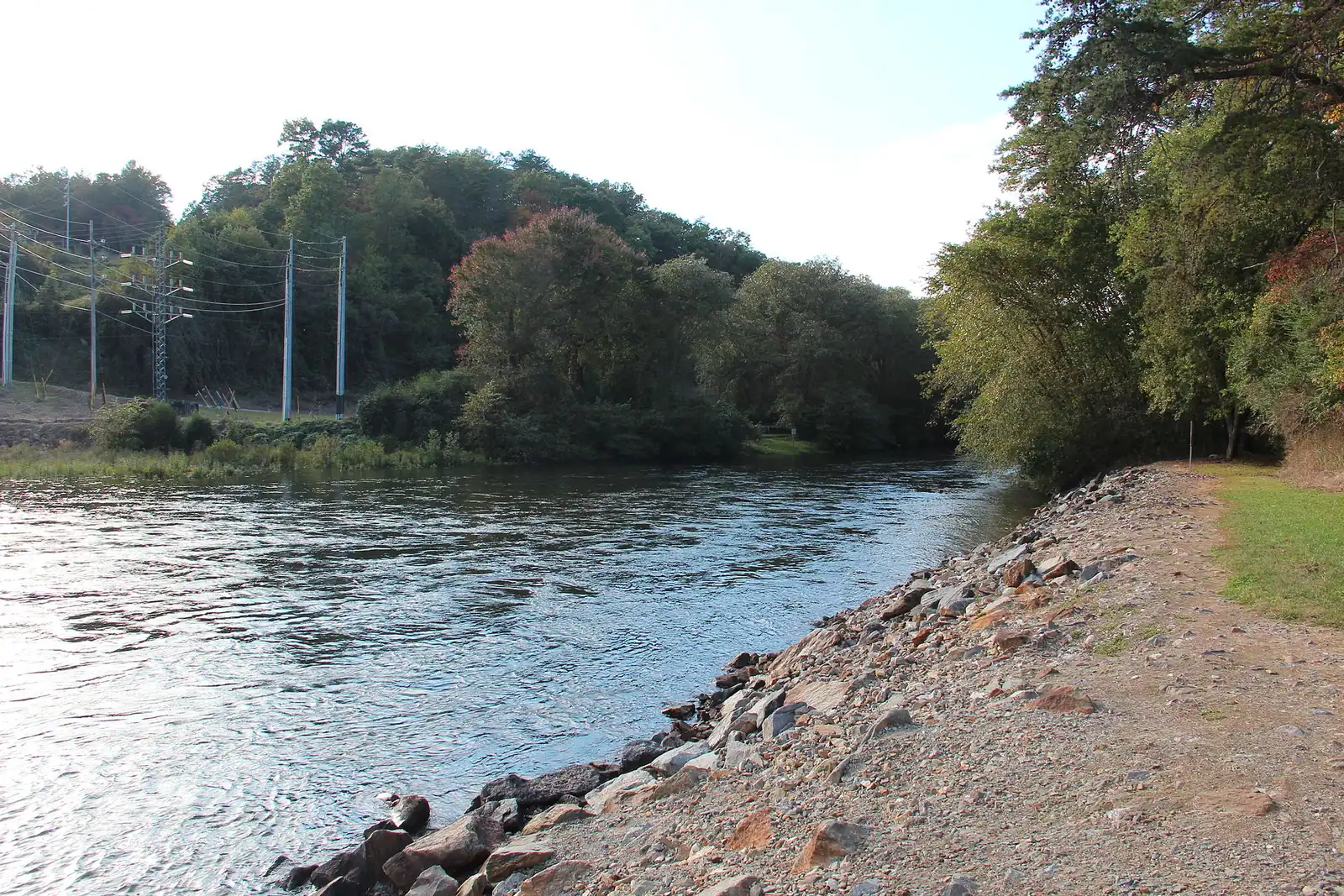
The tailwater is the Toccoa below Blue Ridge Dam. Water released from deep in the reservoir comes out cold in August, which is the only reason trout can live in a river at this latitude through a Georgia summer. Georgia's own wildlife division describes it as an excellent destination for new and experienced anglers alike because of its catch rates, and that is a fair description: it is stocked, it is accessible, and a beginner with a spinning rod can genuinely expect to catch fish. The complication is that the level changes when the turbines run.
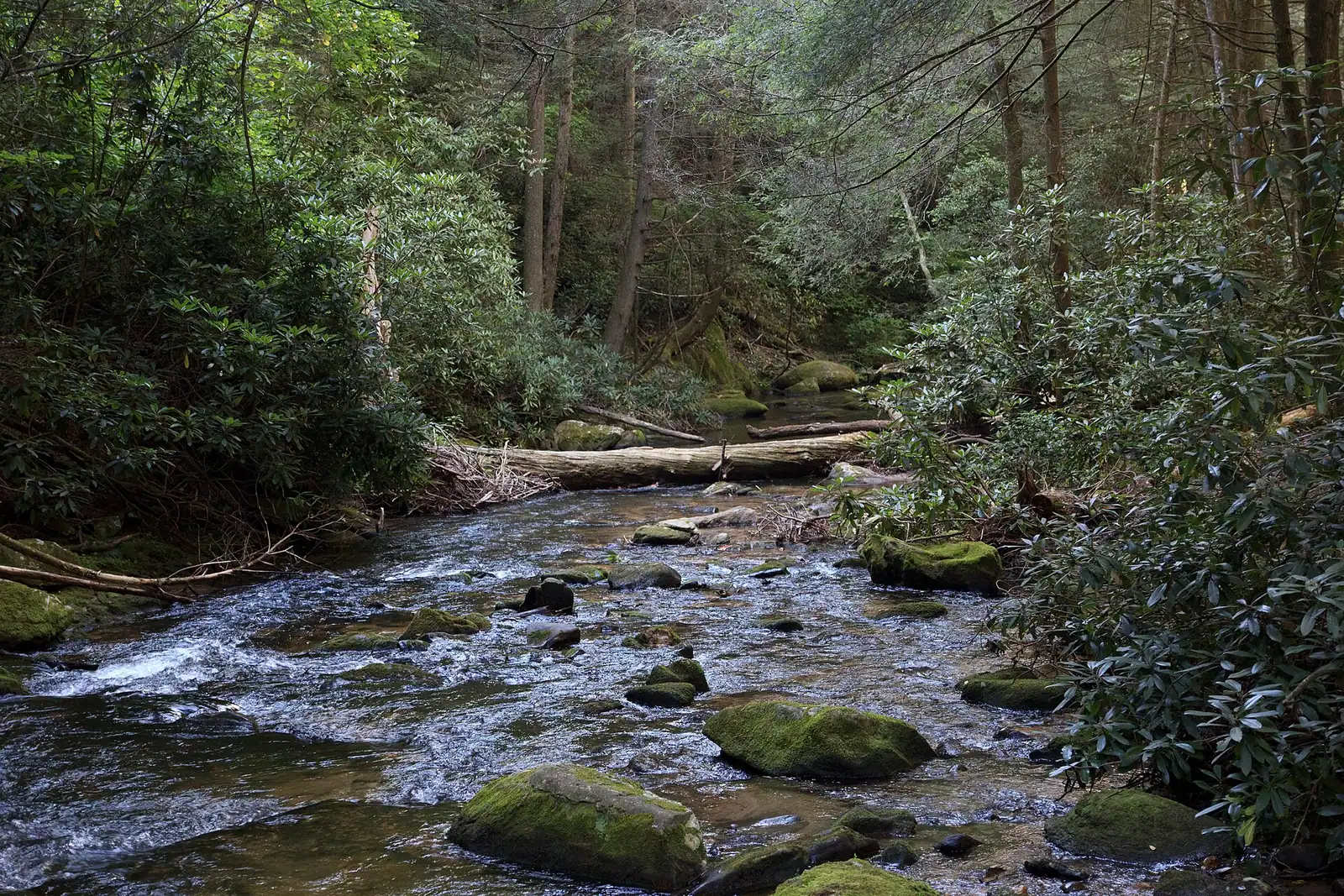
The wild-trout creeks are the opposite proposition. Noontootla Creek, up in the national forest towards Springer Mountain, holds wild brown and rainbow trout and is managed with artificial lures only and a sixteen-inch minimum size limit, which in a small mountain creek means that in practice you are releasing everything you catch. Stanley Creek, closer to town, is also artificial-lure-only. These are technical, low-water, tight-casting streams where the reward is a wild fish rather than a stocked one.
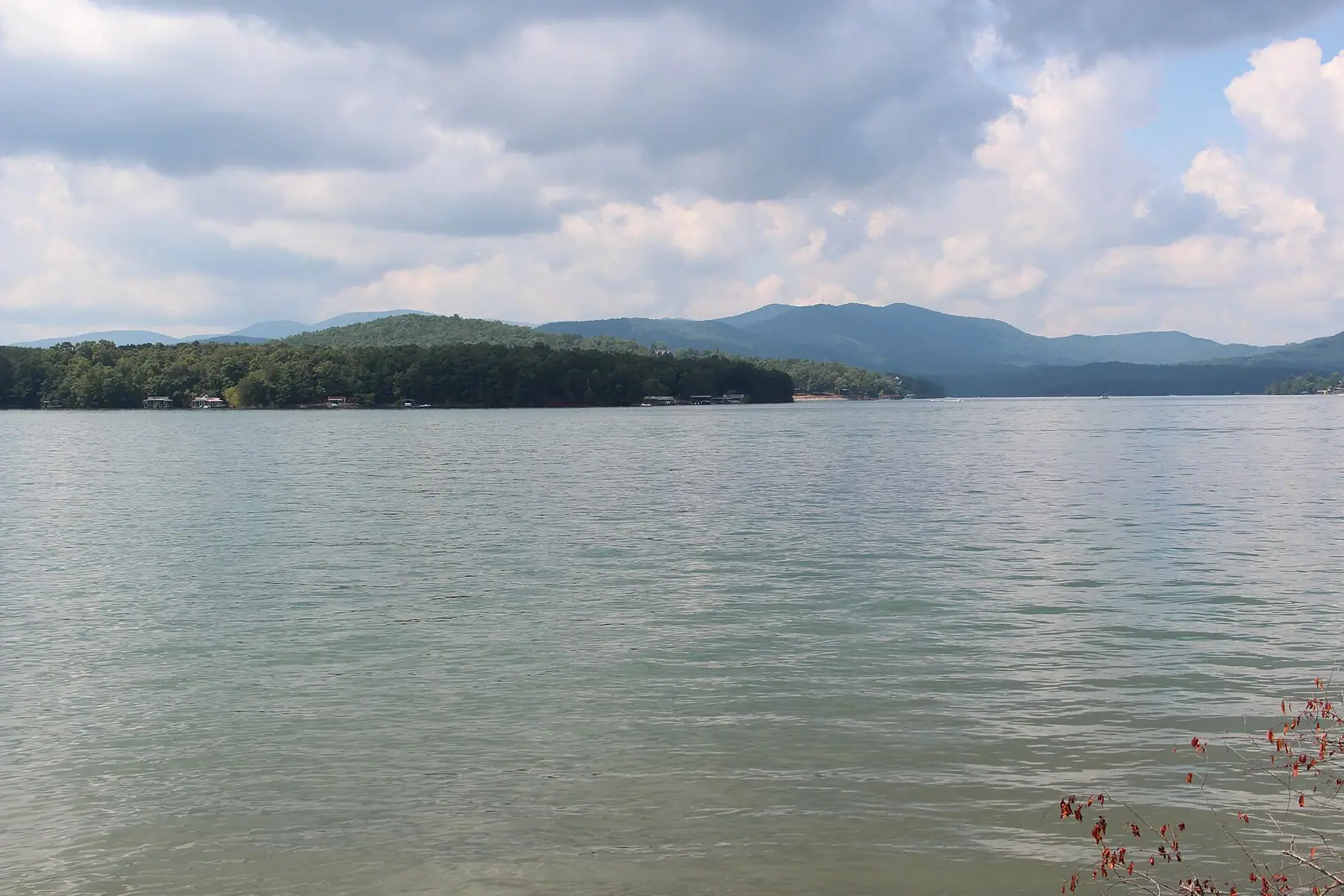
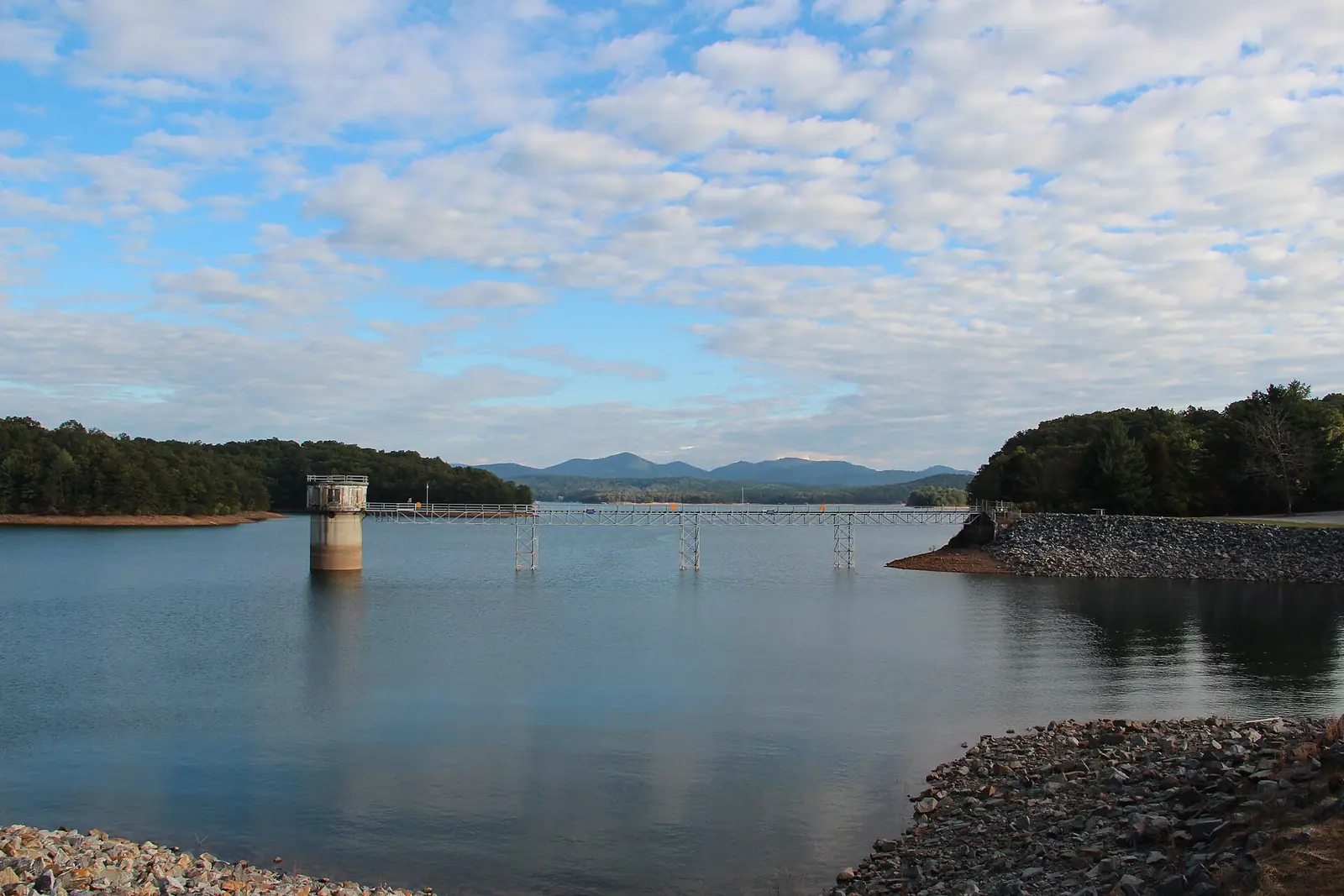
Lake Blue Ridge is the third, and it has a reputation among Georgia anglers out of proportion to its 3,300 acres, built on smallmouth bass and walleye. Cold, deep, rocky water this far south is unusual, and those two species are the reason people tow boats up from Atlanta in spring.
Two things apply everywhere. Anyone aged sixteen or over needs a Georgia fishing licence, and anyone fishing for trout needs a trout licence on top of it. Both are bought online in a couple of minutes and there is no sensible excuse for not having them.
The rest of this page is the detail: which water suits which angler, the release schedule that governs the tailwater, the delayed harvest season that turns a stretch of the Toccoa into winter fly water from the first of November, and what to ask in the shops in town.